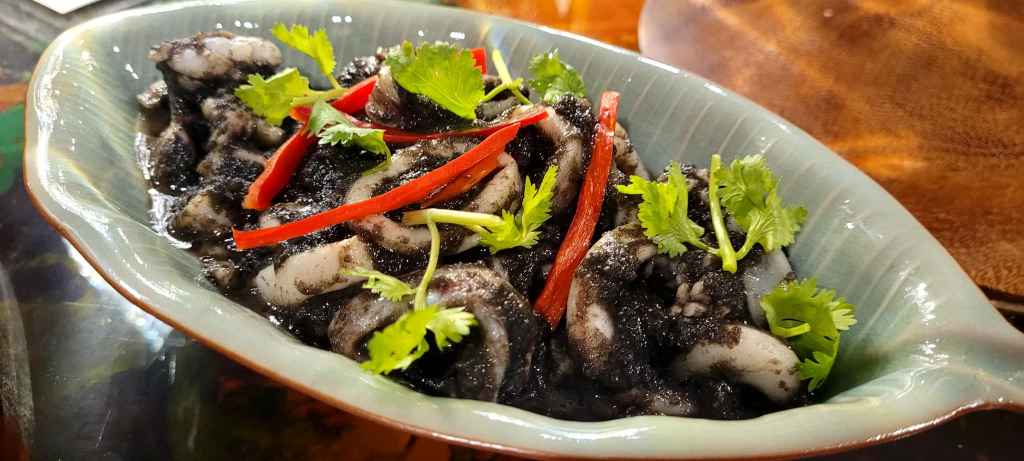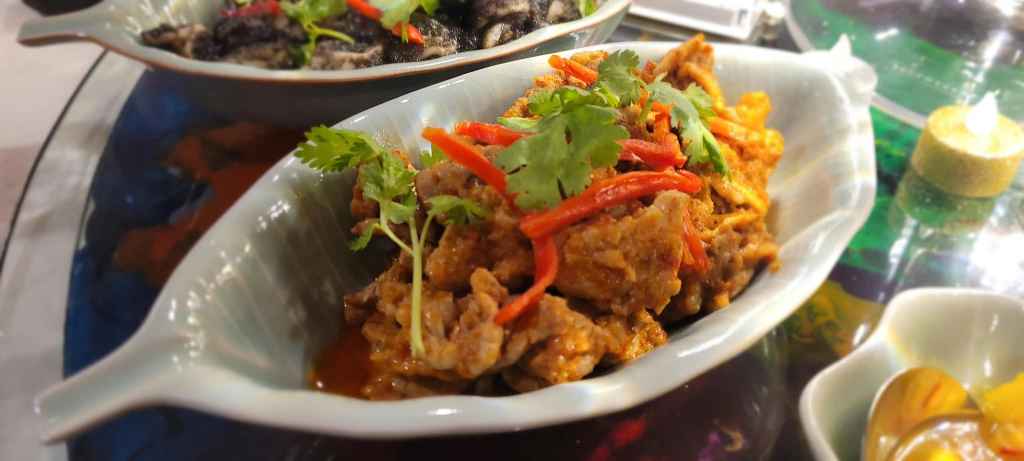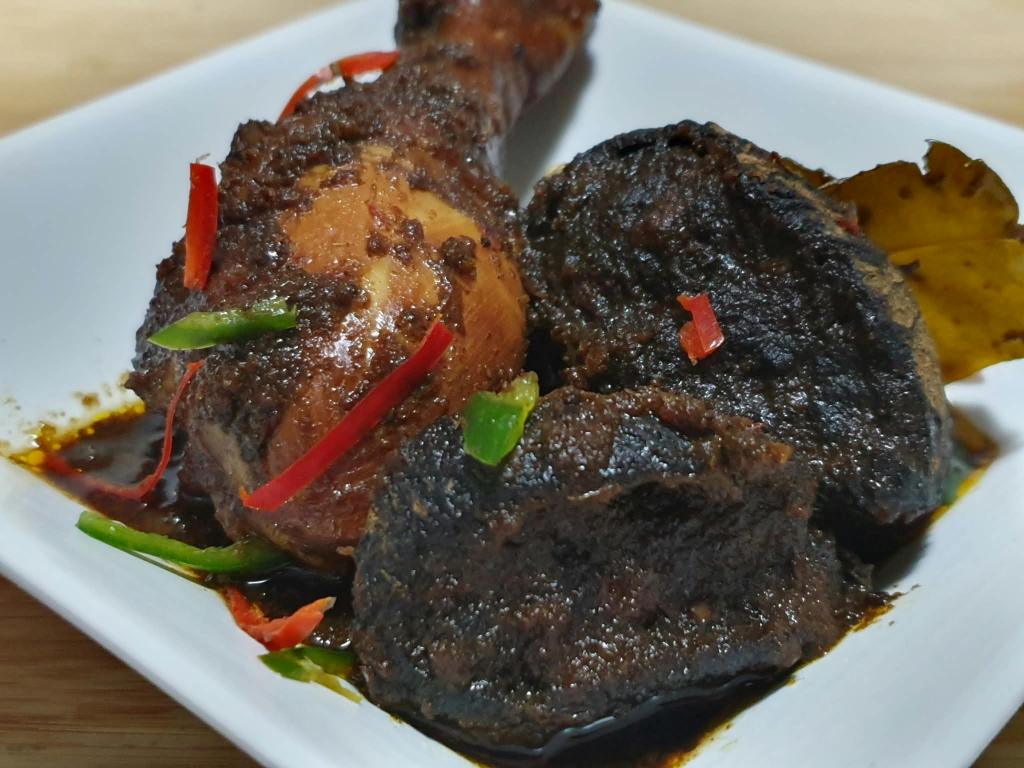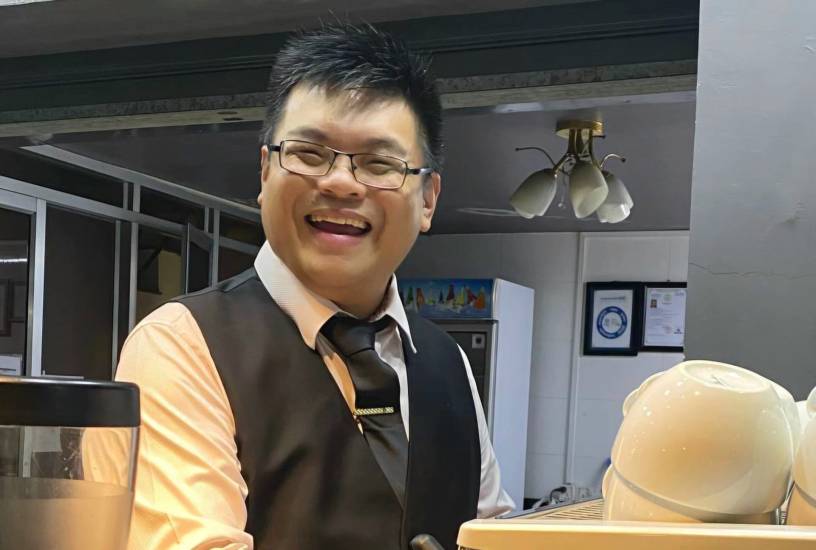
For Jonathan Yap, Peranakan cooking began with childhood memories of his grandmother’s food. Growing up in a Baba-Nyonya family, dishes such as ayam buah keluak were more than meals; they were traditions he looked forward to and memories that stayed with him long after his grandmother was gone.
What began as an attempt to recreate those flavours eventually developed into private dining and a deeper commitment to Peranakan cuisine. Along the way, Johnathan has also learnt to pursue his passion while living with narcolepsy, adapting how he works without allowing the condition to define what he can achieve.
What first drew you to Peranakan cuisine, and when did you realise you wanted to specialise in it as a chef?
I think many of us have childhood memories connected to food, and it was the same for me. I come from a Peranakan, or Baba-Nyonya, family, so I grew up eating this cuisine, particularly my grandmother’s cooking.
As a child, I always looked forward to our Chinese New Year reunion lunch because my grandmother would cook ayam buah keluak. She made it only once a year, and to me, that was even more important than receiving ang baos.
In my early 20s, I started craving her food again, but she was no longer around and nobody had written down her recipes. I realised that if I wanted to enjoy those dishes again, I would have to recreate them myself.
That was how my culinary journey began. I relied on cookbooks, memories of how her food tasted and a great deal of trial and error.
During the pandemic, people started asking me to cook different dishes for them. I began offering takeaway orders and private dining. What started as an attempt to recreate my childhood memories evolved into an opportunity to share them with others. That was when I realised I wanted to give Peranakan cuisine more attention and specialise in it.
Peranakan recipes are often passed down through generations. How much of your cooking is about preserving tradition, and how much is about adding your own interpretation?
When we deal with Peranakan food, we’re dealing with generations of heritage and tradition, so finding the right balance is important. For me, it starts with understanding the foundations of the cuisine. Once you understand them, you know what can be changed and what should remain.
Take ayam buah keluak, for example. The buah keluak must remain central to the dish. You cannot turn it into something that is merely a topping. The rempah and other fundamental elements also need to be prepared properly so that people can still recognise it as a Peranakan dish.
At the same time, I have my own interpretation. My grandmother’s ayam buah keluak, like many traditional versions I have tried, was quite heavy on tamarind and had a distinctive tartness. I prefer a more balanced flavour profile, so I use less tamarind and make it slightly sweeter.
The foundation remains traditional, but there is still room for personal interpretation.
What can you create through a private dining experience that would be difficult to achieve in a restaurant?
The biggest difference is the level of intimacy. In private dining, I’m serving a much smaller group, which gives me more opportunities to interact directly with my guests.
I think that works particularly well with Peranakan cuisine because the experience isn’t just about eating the food. There are stories, traditions and heritage behind the dishes.
I can speak to my guests, explain the history behind a particular dish and answer their questions. I’m not saying that this cannot happen in a restaurant, but that level of conversation and connection is much easier to create in a private dining setting.
Peranakan cooking can be incredibly labour-intensive. Which dish best represents the patience and craftsmanship behind your food, and why?
I would go back to ayam buah keluak because it is one of the most tedious and complex dishes in Peranakan cuisine. There are parts of the process that simply cannot be rushed. Preparing the buah keluak seeds alone can take weeks. Then you have to prepare the rempah before bringing everything together.
The final challenge is balancing the flavours. With ayam buah keluak, you are working with all six flavours perceivable by the human tongue, so achieving the right balance can be quite complex.
It is a dish that requires time, patience and attention throughout the entire process.
You also live with narcolepsy. How has the condition affected your journey as a chef?
One of the symptoms I experience is excessive daytime sleepiness. No matter how much sleep I get, I can still feel sleepy.
That is something I have to manage very carefully in the kitchen because I’m working with knives, fire and other potential hazards.
Safety has to come first.
I also cannot work extremely long hours, so I have learnt to adapt by organising my cooking into different stages. Rather than allowing narcolepsy to stop me from cooking, I have learnt how to work around the condition and manage myself differently.
How can you help the next generation create a better future?
I think it comes down to living a fulfilling life and pursuing what we love despite the challenges we face. We all experience difficulties and limitations, and life can sometimes be very unfair. We simply have to do the best we can with the hand we have been dealt and keep moving forward.
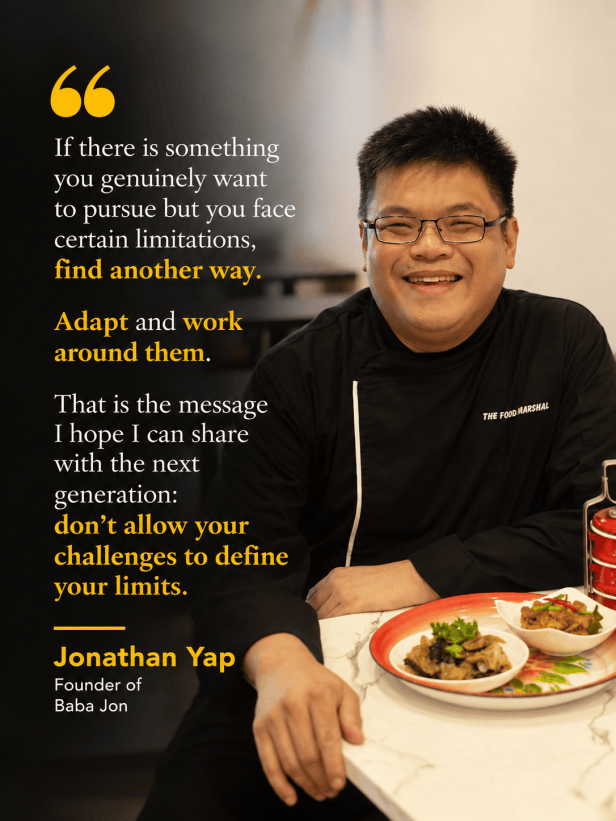
If there is something you genuinely want to pursue but you face certain limitations, find another way. Adapt and work around them. That is the message I hope I can share with the next generation: don’t allow your challenges to define your limits.
What is your vision for Singapore in the next five years?
One of the things I love about Singapore is that we are a melting pot of different cultures. People from different backgrounds can sit around the same table, share food and exchange stories.
As Singapore continues developing in an increasingly fast-paced world, I hope we don’t lose that.
I also hope we preserve our food culture and heritage. There is already a lot of discussion about preserving our hawker culture, and I think that is important because progress can sometimes mean losing parts of our traditions.
I hope Singapore can continue advancing while preserving the cultures, traditions and food heritage that make us distinctive.
If you could have a superpower for one day, what would it be and why?
Maybe I’m a simpler person, but I don’t think I would want a superpower. For one day, I would simply like to know what it feels like to live without narcolepsy.
I would love to sleep for eight hours, wake up feeling refreshed and go about my day the way I see many other people doing.
I would also like to experience a day without the hallucinations and cataplexy that can come with Type 1 narcolepsy, where I sometimes lose muscle control.
So I don’t need to be extraordinary. For that one day, I would simply like to experience what it feels like to be ordinary.
Connect with Johnathan: Facebook, TikTok and Instagram.