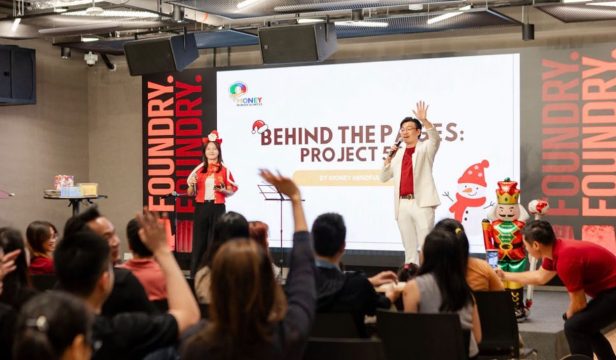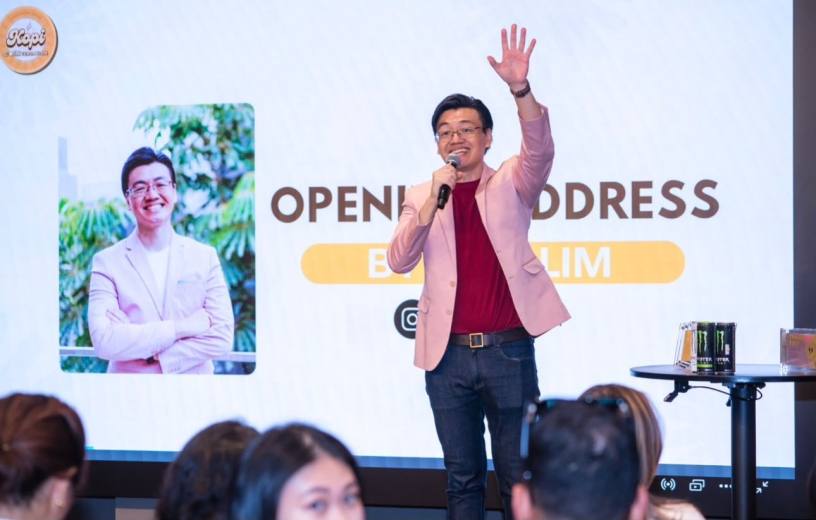
Jake Lim’s journey into financial advisory was anything but planned. He studied electrical engineering and power engineering before walking into an NTU career fair determined not to become an engineer. A chance conversation eventually led him into a profession where he could combine his interest in finance with what energised him most, and that is working with people.
Fifteen years later, Jake has achieved MDRT multiple times while increasingly focusing on financial education through Money Mindfulness. His philosophy is simple: financial planning should not merely be about becoming wealthier, but about understanding yourself, knowing what you already have and making sustainable decisions that support the life you actually want.
After spending years studying engineering, a chance encounter at an NTU career fair eventually led you into financial advisory. What happened at the career fair that changed the direction of your life?
I started at ITE studying to become an electrical technician, moved on to electronics at Singapore Polytechnic and eventually studied power engineering at NTU.
After investing around eight years in that journey, I realised in my final semester that I didn’t want to become an engineer. I’m a people person, and I wanted to do something that directly impacted people’s lives.
I walked into the career fair and I was open to almost anything that involved working with people. I came across a booth recruiting financial advisers and spoke to the manager. That conversation drew me in, and 15 years later, I’m still working with the same manager.
My childhood experiences had taught me the importance of money and financial security. Initially, I wanted to learn about finance for myself, but I realised I could also educate others and help them with financial planning.
It gave me what I was looking for: the opportunity to work with people and potentially make an impact on their lives.
You have achieved MDRT multiple times while also focusing heavily on financial education and community impact. How have these two sides of your work complemented each other?
To me, financial advisory and education have always been connected. I can close deals because I educate people, and that is how I have practised for the past 15 years.
MDRT has also been a valuable learning platform, exposing me to international ideas and best practices that I can bring back to my clients. At the same time, having a sustainable practice gives me the freedom to learn, contribute to social causes and educate others.
Today, much of my business comes through referrals because people value the education and genuine conversations we have. Eventually, I realised I wanted to make an impact beyond individual clients. That is one reason I created Money Mindfulness. I want to bring financial education to a wider audience.
What does being mindful about money actually mean?
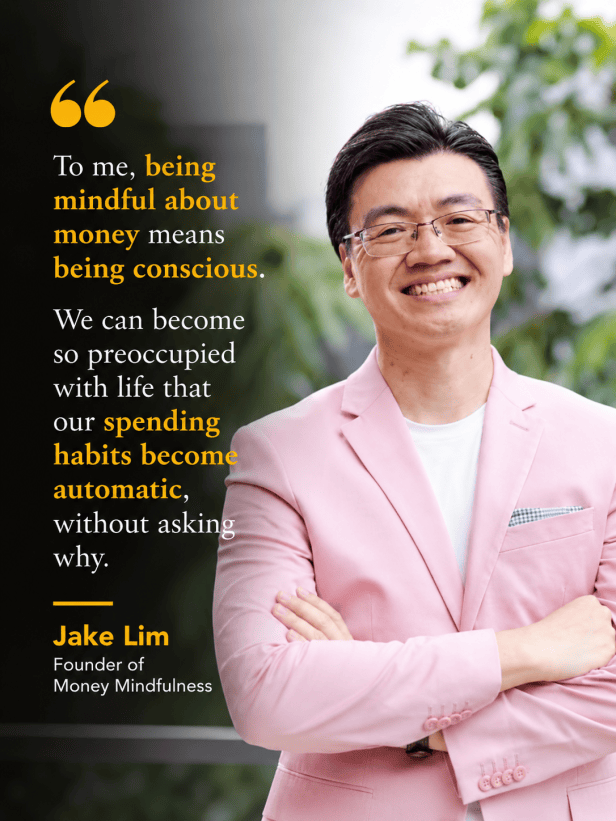
To me, being mindful about money means being conscious. We can become so preoccupied with life that our spending habits become automatic, without asking why. Financial planning isn’t necessarily about getting rich. It is about understanding how you want to live, why you are spending and whether your choices are sustainable.
I often use the analogy of judging a fish by its ability to climb a tree. Once the fish understands that it belongs in water, everything changes. Similarly, financial advice should reflect who you are and your circumstances. What works for someone single may not suit someone married with children.
That’s what Money Mindfulness is about: understanding yourself, what you have and where you want to go before making financial decisions.
After advising people for more than a decade, what are some of the biggest financial issues you repeatedly see among Singaporeans?
There are three things I often highlight.
First, be careful when lending money to friends. While people worry about small investment losses, money lent informally may never come back. Financial decisions are often more emotional than we realise.
Second, make sure someone you trust knows where your assets are. With investments, insurance and bank accounts increasingly digital, loved ones may not know where to look if something happens to you. Keep a simple record of the financial institutions and platforms you use.
Third, understand what you already have before buying more. Singaporeans may already have coverage through CPF, national schemes and employer benefits. Ultimately, it comes back to clarity: know what you have before deciding what else you need.
Why do you believe financial literacy should be taught much earlier in life?
Why wait until someone leaves school to learn through financial trial and error? School is one of the best times to learn because the margin for error is much greater.
Young people don’t need to start investing immediately, but they should become financially conscious earlier. Even basic knowledge, such as understanding how much down payment is needed for a home and what can be paid through CPF or cash, can help them plan ahead.
We remember many things from school that we rarely use, yet many Singaporeans may not fully understand their own CPF accounts and national schemes.
Starting financial education earlier can help people prepare for important financial decisions rather than being caught off guard later.
What is one ugly truth about money that you think everyone should know?
The ugly truth is that nobody will suffer the consequences of your bad financial decisions more than you. That doesn’t mean spending is bad. There is nothing wrong with enjoying your money, as long as your choices are sustainable.
The same applies to investments, insurance and property. Taking on commitments you cannot afford, such as an excessive mortgage, can eventually leave you financially trapped.
That is why clarity matters. Understand your financial position, goals and what you can realistically sustain before making major commitments.
What is your vision for Singapore in the next five years?
I would love to see Singaporeans become clearer about their finances and the national schemes available to them, particularly CPF.
As Singapore progresses, I think we have an opportunity to develop greater financial self-awareness. People should understand what they already have, what resources they can leverage and where they stand financially.
If more Singaporeans can achieve that level of financial clarity, I think that would be a very positive development.
If you could have a superpower for one day, what would it be and why?
I would choose the ability to stop time. Time is something I think about a lot. Being able to pause everything would give me the opportunity to declutter my mind, reflect and finish what needs to be done without constantly thinking about the next responsibility.
Then, when I restarted time, I could be 100% present, be it with my two children, my clients, my work or my non-profit activities.
One of the limitations of being human is that even when you are physically doing one thing, your mind can be somewhere else. If I could stop time, organise everything and then return completely present, that would be an amazing superpower.
Connect with Jake: LinkedIn and Instagram.