A new way to think about farming
Bio Ark Global focuses on rebuilding soil infrastructure rather than treating agriculture as a single-input problem. Its work centres on turning organic waste into productive soil inputs, with the wider goal of restoring degraded land, protecting food systems and reducing climate risk. The company positions this as a practical response to soil degradation, fertiliser volatility and climate instability.
Why soil health matters
Healthy soil is more than a growing medium. Bio Ark believes that soil affects nutrient density, yield stability, water retention and crop resilience, which means soil decline can quickly become a food security issue. The company also links stronger soil to climate benefits such as carbon storage, moderated temperature and better water-cycle regulation.
A circular model built for scale
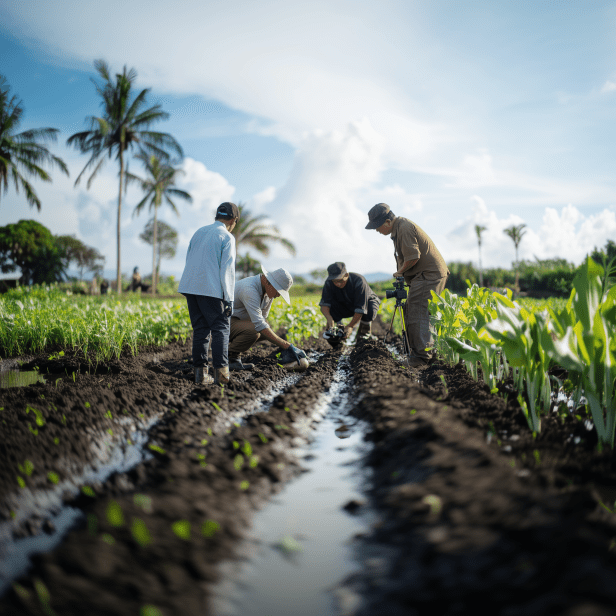
Bio Ark’s platform operates as a closed-loop system, converting local organic waste into high-nutrient bio-organic inputs and returning them to farms. The model is modular, decentralised, scalable and replicable, which makes it suitable for different regions and crop systems. That structure is designed to grow step by step while keeping risk controlled.
Arktivate and its role in the field
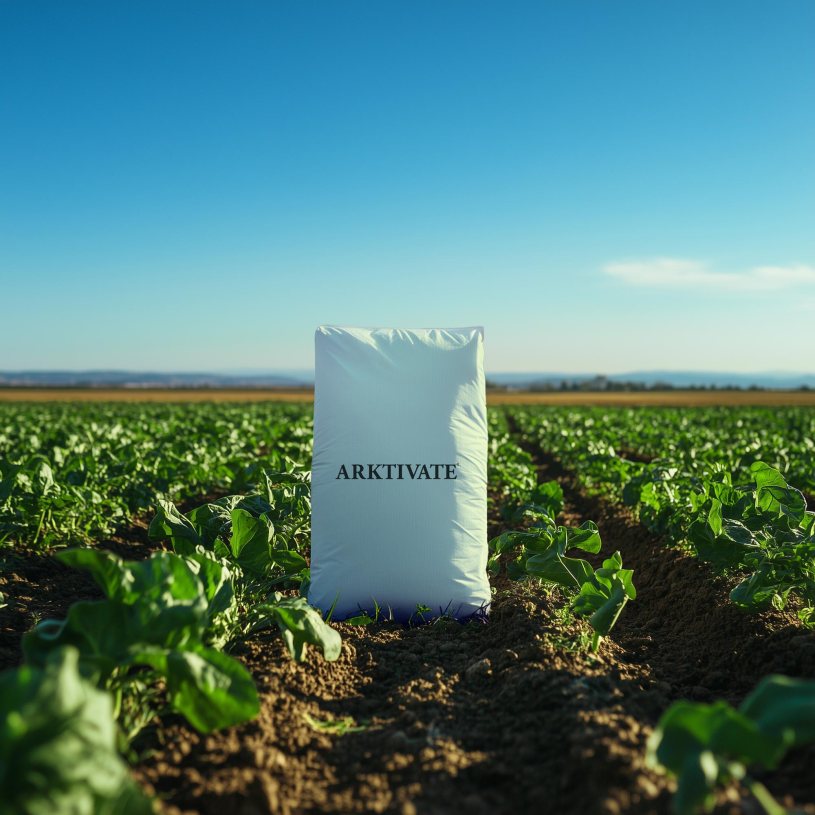
At the centre of the system is Arktivate, a bio-organic fertiliser created through controlled biological and thermal conversion. The product is designed to improve soil structure, strengthen microbial ecosystems, enhance nutrient efficiency and reduce dependency on chemical inputs while helping maintain yields during transition.
Built around Indonesia
Bio Ark’s current work is focused in Indonesia, where it has worked with farmers growing produce such as potatoes, chillies, pumpkins, cucumbers, strawberries and paddy. You can visit the Indonesia website for real-world applications, where the country is a key market for its soil-regeneration efforts.
Data-driven support for farmers and partners
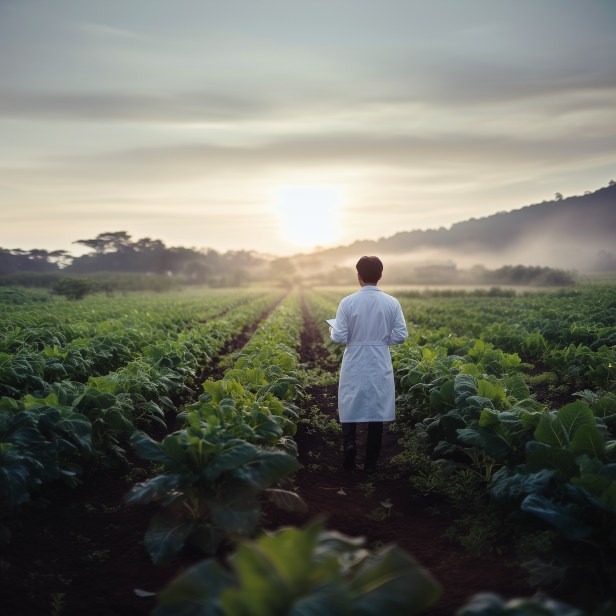
Beyond soil inputs, Bio Ark integrates monitoring, data aggregation and AI-driven processing to improve application guidance and long-term performance. This creates a continuous improvement loop for farmers, while also supporting ESG reporting, carbon accounting and supply-chain transparency for stakeholders such as plantation groups, governments and impact funds.
A practical next step
For organisations that want a more resilient agricultural model, Bio Ark offers a grounded approach: convert waste into value, strengthen soil, and build measurable improvement over time. In Indonesia, that combination of circular agriculture and data-backed decision-making is positioned as a path toward healthier farms and stronger food systems.
Visit: Bio Ark Singapore and Bio Ark Indonesia to learn more about their work.