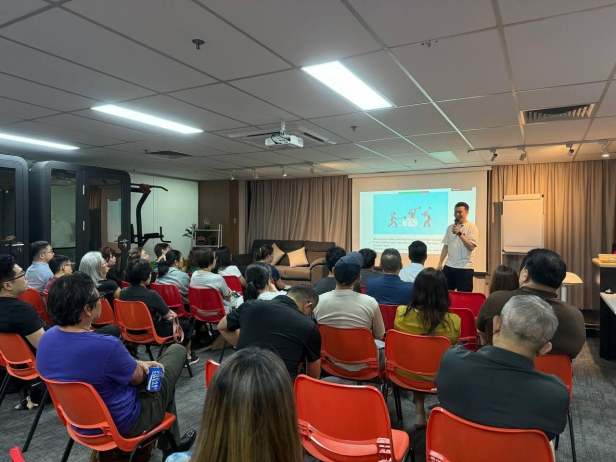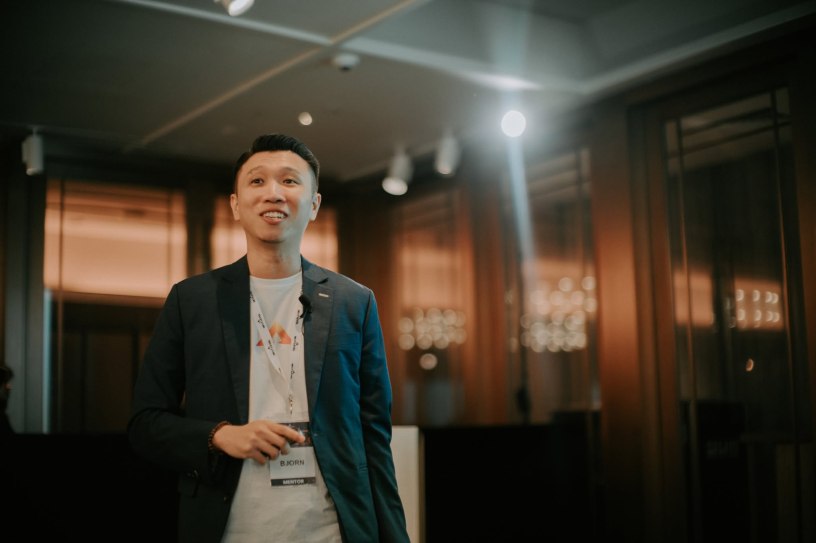
For Bjorn Ng, investing began as a practical way to earn beyond his salary as an oil and gas engineer. Facing financial pressures while preparing for major life milestones, he discovered the potential of investing to build long-term financial security. However, his journey was far from smooth. A painful investment loss eventually transformed his understanding of risk, discipline and the importance of making rational financial decisions.
Today, Bjorn draws upon those experiences to educate others about investing, emphasising independent thinking, emotional discipline and responsible risk management. Rather than promising quick profits, he believes financial education should equip individuals with the confidence to make informed decisions. He will discuss his biggest investing mistakes, the influence of artificial intelligence, the responsibilities of financial educators and his vision for a more financially aware Singapore.
What first sparked your interest in trading and investing and was there a defining moment when you realised it could be more than just a way to make money?
I started investing because I wanted to earn more than my salary as an oil and gas engineer. My family was experiencing financial difficulties, and I was also preparing for my wedding and home. I was saving diligently, but I realised that saving alone was limited by how much I earned.
Investing seemed like a way to grow my financial resources, especially since I was comfortable working with numbers. Initially, it was simply about making more money. However, after experiencing both gains and losses, I discovered that investing was also a journey of self-discovery.
The real turning point came when I started coaching others. I realised that I enjoyed helping people understand why they were making financial decisions rather than simply telling them which stocks to buy. Knowing that I could help someone avoid my mistakes and become a more confident investor made the journey much more meaningful.
You openly shared that you made significant mistakes when you first started investing. Which mistake was the most painful, and how did it change your approach?
My biggest mistake was investing far too much money in a small American company. I was so convinced of its potential that I flew to the United States to meet its management and visit its factory.
Seeing the operations firsthand gave me tremendous confidence. Unfortunately, the company repeatedly failed to meet expectations.
Instead of questioning my investment, I kept making excuses because I didn’t want to admit I was wrong. Eventually, I suffered a 90% loss. That experience taught me that extensive research doesn’t automatically justify a large investment. Sometimes, the more effort we invest in researching a company, the harder it becomes to acknowledge warning signs.
Today, I focus heavily on position sizing, risk management and having a clear plan before investing. Every investment needs an exit strategy if things go wrong. No single position should be large enough to seriously damage an entire portfolio.
Many traders struggle with fear, greed and the temptation to recover losses quickly. How have you learnt to manage your emotions when the market moves against you?
I still experience those emotions today. Even the most experienced investors feel fear and greed because we’re human.
The difference lies in how we respond. Before entering any investment, I examine the business, its competitive advantages, valuation, risks and what could invalidate my investment thesis. When a stock price falls, I ask myself whether the underlying business has changed or whether it’s simply market sentiment.
One important lesson is not to become obsessed with recovering a loss. Holding an investment solely because I want my money back can be more damaging than accepting that my original decision was wrong.
Whenever emotions take over, I return to my investment thesis and evaluate the situation objectively.
With AI-powered trading tools and financial information becoming increasingly accessible, is technology making ordinary investors more capable or simply more confident in making costly mistakes?
I think it’s doing both. Artificial intelligence has made financial research significantly faster and more accessible. Information that once required considerable effort to obtain can now be retrieved almost instantly.
However, I believe we’re moving beyond the age of information into the age of application. The real challenge is knowing how to apply that information to our individual circumstances.
Everyone has different financial goals, responsibilities and risk tolerances. An AI-generated list of recommended stocks may be informative, but that doesn’t mean those investments are suitable for everyone.
AI can also produce convincing answers that people accept without questioning. I prefer to use AI to challenge my assumptions. I’ll ask what risks I might have overlooked, how a business generates revenue and what could go wrong. I even encourage AI to disagree with me.
Technology should strengthen our research and decision-making, not replace independent thinking.
What responsibilities do financial educators have in helping students understand trading risks rather than simply selling them the dream of becoming successful traders?
Financial educators have a responsibility to present both the opportunities and risks honestly. It’s easy to showcase profitable trades and impressive returns. Unfortunately, losses are often hidden, creating unrealistic expectations.
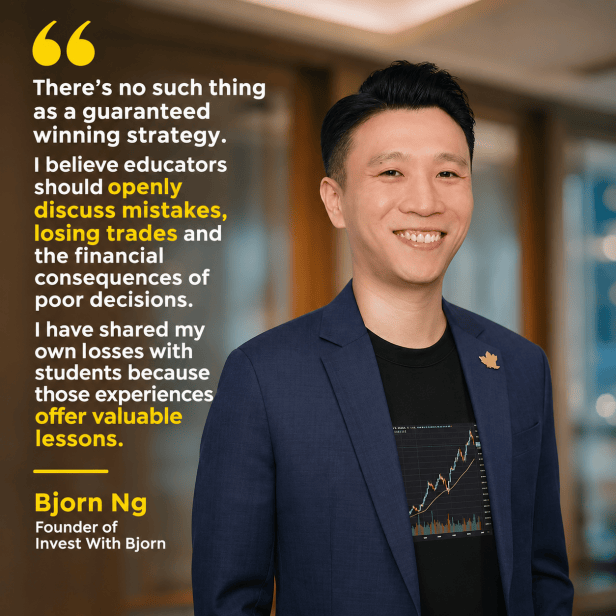
There’s no such thing as a guaranteed winning strategy. I believe educators should openly discuss mistakes, losing trades and the financial consequences of poor decisions. I have shared my own losses with students because those experiences offer valuable lessons.
Our responsibility is to develop independent investors who understand risk management and can make their own decisions. If students leave a course excited about making money but don’t understand how to protect their capital, we haven’t done our job properly.
What is one uncomfortable truth you had to accept about yourself that eventually led to your greatest breakthrough?
I had to accept that my biggest investment loss wasn’t simply bad luck. I had researched the company extensively, but that effort made me emotionally attached to it.
I confused my enthusiasm with genuine conviction and ignored warning signs because I desperately wanted to be right. Accepting responsibility for that 90% loss was painful, but it changed my approach.
Instead of chasing exciting investment opportunities, I began prioritising durable businesses and protecting my portfolio against worst-case scenarios. My greatest breakthrough wasn’t discovering a better stock. It was becoming more honest with myself, acknowledging my weaknesses and improving my investment process.
What’s your vision for Singapore in the next five years?
I hope Singapore places greater emphasis on financial literacy, particularly among younger generations. Growing up, many of us followed a traditional path of studying hard, finding employment and working towards retirement.
However, we weren’t necessarily taught how to understand our relationship with money. Our childhood experiences, financial habits and personal beliefs can strongly influence how we make decisions. I would like young people to learn more about managing money, understanding themselves and designing lives that reflect their own priorities.
Mental health is equally important. Previous generations often emphasised working harder regardless of stress. Today, we’re becoming more aware of burnout and the importance of emotional wellbeing.
I hope Singapore continues developing a society where people can contribute productively while maintaining meaningful relationships, personal fulfilment and a healthy balance between work and life.
If you could have a superpower for one day, what would it be and why?
I would choose the ability to see the long-term consequences of my decisions before making them. It wouldn’t necessarily be about predicting which stock would generate the highest returns. Instead, I would want to understand how today’s choices could shape my life 10 or 20 years later.
For example, how might consistently investing a portion of my income affect my future financial security and lifestyle? Small decisions compound over time, often creating outcomes we cannot immediately appreciate.
More importantly, I would want to see which choices would give me greater freedom, stronger relationships and fewer regrets.
Connect with Bjorn: Instagram.