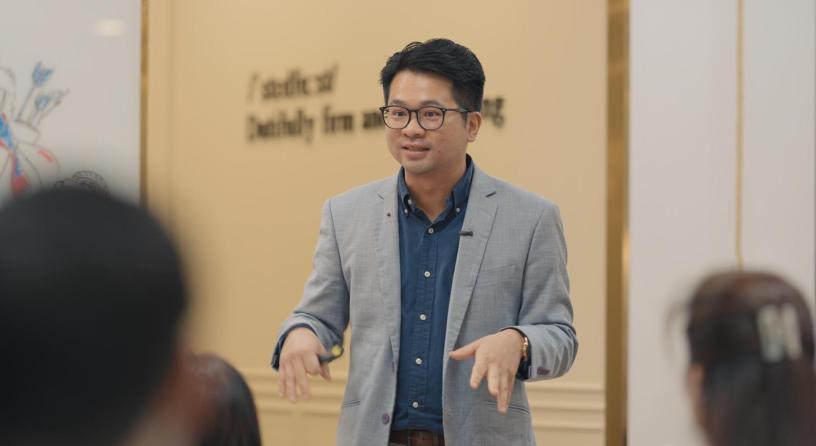
After serving as an officer in the Republic of Singapore Air Force for about eight years, Eilton found himself contemplating what should come next. Conversations with friends and family about wills, trust and estate planning eventually revealed a gap he believed he could fill, leading him to establish Alps Wills.
For Eilton, writing a will goes far beyond distributing assets. It is about protecting loved ones, reducing potential conflict and leaving behind clear wishes and meaningful words for the next generation. Through his work, he has heard deeply personal family stories, built lasting relationships with clients and discovered that estate planning can ultimately be one final act of love.
Can you share your entrepreneurial journey and what inspired you to establish Alps Wills?
I was an Air Force officer for about eight years. After completing my scholarship bond, I began considering my next step and eventually came across the opportunity to establish a will-writing firm.
Friends and family often asked whom they could trust to prepare their wills. In Singapore, people can draft their own wills provided they meet the legal requirements, but many are unsure how to do so properly. We saw an opportunity to bridge that gap by guiding clients through the process and helping them clearly document their wishes.
I find the work deeply fulfilling because it goes beyond drafting wills. Clients share their family stories, concerns and experiences with me, and I often learn from the wisdom of elderly clients. Sometimes, what they need is not just professional guidance, but also someone willing to listen.
What were some of the biggest challenges you faced when you first started the business?
One of the biggest challenges was people’s hesitation to write their wills. Some elderly clients considered it taboo, while others waited for an auspicious day or simply did not feel ready.
However, attitudes are changing, and even people in their twenties are preparing wills. One young client had witnessed family disagreements over her grandfather’s estate because he died without a will. That experience motivated her to plan early and prevent similar conflicts.
Some people still believe a will is only necessary when they become seriously ill. We never pressure clients, as estate planning should happen when they are comfortable. Interestingly, some have even referred others to us before eventually preparing their own wills.
Many people think a will is simply a legal document. Why do you believe it is really about protecting the people we love?
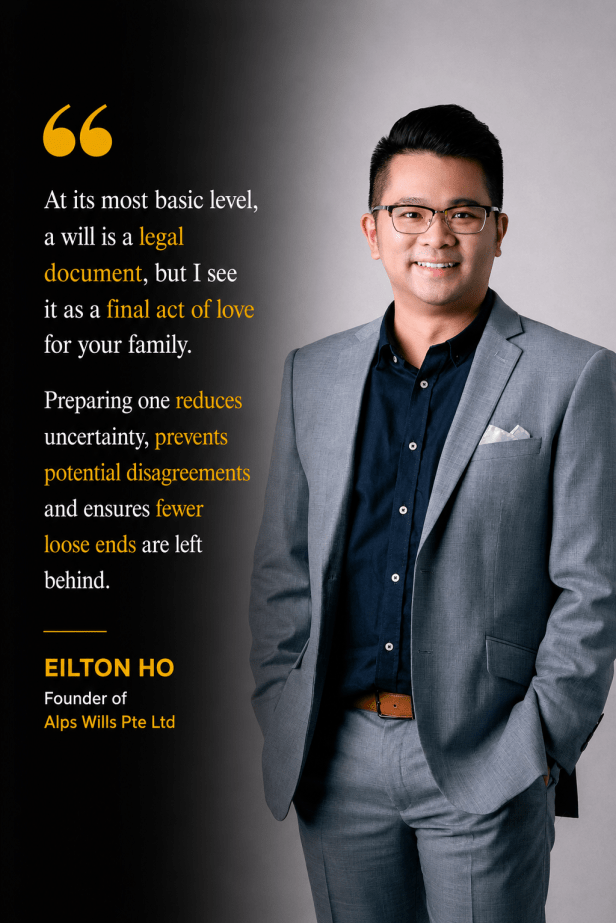
At its most basic level, a will is a legal document, but I see it as a final act of love for your family.
Preparing one reduces uncertainty, prevents potential disagreements and ensures fewer loose ends are left behind. Without a will, administering an estate may take longer, cost more and result in assets being distributed in ways the deceased may not have intended.
A will allows you to clearly communicate your wishes and ensure that the people you care about are provided for. Ultimately, it is an act of responsibility and love.
How can proper planning help preserve family relationships rather than just assets?
I believe everyone should consider estate planning because it requires you to make important decisions about whom you want to provide for and, in some cases, whom you may wish to exclude.
Without clear instructions, disagreements can arise over who deserves what, particularly when some family members have contributed more to a parent’s care than others.
A properly planned will clearly communicates your intentions, reducing uncertainty, potential disputes and resentment. Estate planning is therefore not simply about preserving wealth; it can also help preserve family harmony.
About 15 years ago, you entered a competition, won a car and decided to donate it to your church. What inspired that decision?
I came across a competition to fit as many people as possible into a car and saw an opportunity to do something meaningful. As I was still a student, contributing financially would have been challenging. That was when I came up with the idea of entering the competition, winning the car, selling it and donating the proceeds to the church.
Preparing took months, and I received far more ‘nos’ than ‘yeses’. However, I persevered, gathered the right team and, through our strong camaraderie, we eventually won.
Donating the car to the church felt natural because the community had made it possible. The experience taught me that when we bring the right people together and commit wholeheartedly to something, even unlikely goals can become possible.
Where do you find the greatest joy in your business and life today?
The greatest joy is knowing that this is more than a transactional business. Estate planning evolves as people’s circumstances change, and we want to support clients throughout that journey.
Over the years, clients have invited us to family celebrations and continued referring others to us long after we prepared their wills. These relationships reflect the trust my wife, who is also my business partner, and I have worked hard to build.
A will can also contain personal messages of love and gratitude for children and grandchildren. Assets have monetary value, but the words and memories someone leaves behind can be priceless.
What is your vision for Singapore in the next five years?
With considerable tension and conflict around the world, I hope Singaporeans will remain united despite our different opinions.
Having served in the military, I understand how precious peace and stability are. Younger Singaporeans are increasingly informed and willing to express different perspectives, which I believe is positive.
However, our differences, including political ones, should never divide us. We can disagree while remaining united as Singaporeans, and I hope this sense of unity continues even as our society becomes more diverse in its views.
If you could have one superpower for a day, what would it be and why?
I would choose the ability to read minds because I have always been interested in understanding what people are thinking.
After meeting many clients, I have learnt to observe body language and recognise patterns that may reveal their concerns. However, some people are afraid to ask questions or struggle to express their worries about estate planning.
If I could understand their thoughts, I could address their doubts and misconceptions more effectively, helping them make better-informed decisions about their wills.
Connect with Eilton: AlpsWills, Facebook and Instagram.

