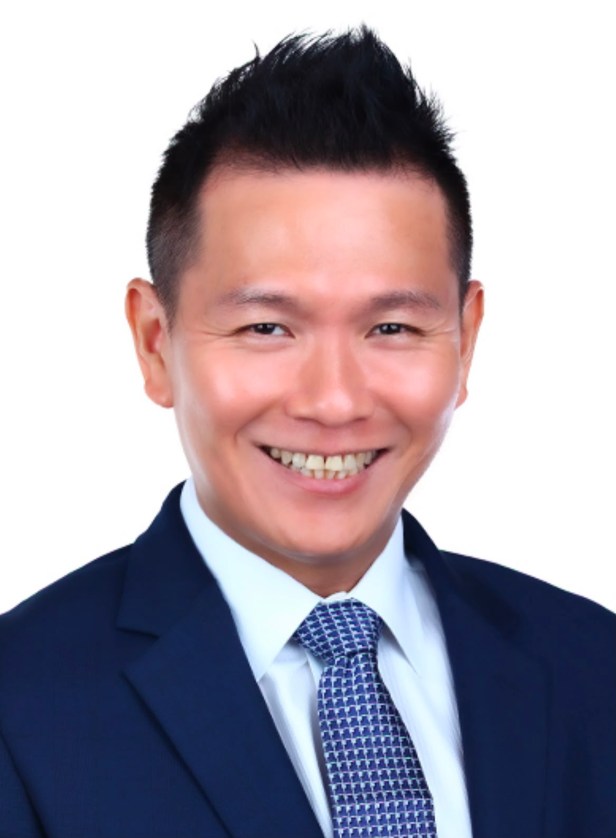
Kenneth believes that the best investment decisions are made by looking beyond headlines. Through years of travelling across China, Japan and Southeast Asia, he has developed a habit of observing markets firsthand, often discovering realities that differ significantly from widely accepted narratives.
As a private wealth management adviser, writer and regular commentator on Asian markets, Kenneth combines on-the-ground observations with behavioural finance to help investors think more critically. He shares why psychology matters more than stock picking, how investors can filter market noise and why understanding yourself is often the best investment you can make.
You have spent a great deal of time travelling across Japan, China and Southeast Asia to observe markets firsthand. How often do you find that what is happening on the ground differs from the narrative presented by the international media?
China is probably the clearest example. A common Western narrative is that much of China’s infrastructure is wasted, with empty homes, unused roads and developments that supposedly lead nowhere.
However, what I have observed is often very different. For example, I recently visited Weihai, where the airport is already operating close to capacity and is planning further expansion. China’s population is around four times that of the United States, yet it occupies a similar land area. Infrastructure is built with long-term demand in mind.
I believe there is still tremendous potential in China, but many of these developments are not covered in sufficient depth by international media. That is why seeing things for yourself is so valuable. It allows you to develop a more balanced and informed perspective.
You have written nearly 1,000 LinkedIn posts and regularly share your views through Substack, Money FM and Channel NewsAsia. What motivates you to educate the public instead of focusing solely on managing clients’ portfolios?
I started writing during the COVID-19 pandemic, when I was unable to travel or meet clients. I had also just joined a new organisation, so it was a particularly challenging period.
Writing became therapeutic because it forced me to organise my thoughts carefully. Back then, there was no AI to assist with writing, so every article required thorough research and careful drafting.
Looking back, it turned out to be a blessing in disguise. Over seven or eight years, I built a personal database of ideas and developed a clear framework around the three areas I care most about: financial markets, behavioural finance and China. Those remain the core themes of my writing today.
Throughout your career, what are the most common psychological mistakes you have seen investors make, even among experienced and high-net-worth individuals?
Today, access to investment products is no longer the biggest challenge because investing has become far more accessible. The real challenge is psychology.
One of the biggest mistakes is FOMO. During the cryptocurrency boom, many people rushed into the market simply because everyone around them seemed to be making money. They invested without fully understanding what they were buying.
Another common mistake is acting on rumours. Sometimes the information comes from people you trust, but it may still originate from a single unreliable source. Academic research has shown how easily information can spread without proper verification.
Investors should always keep an open mind, but they must also understand their own goals and avoid chasing every new investment idea simply because it is popular.
We live in an age of endless financial news, opinions and social media commentary. How can investors distinguish meaningful insight from market noise without becoming overwhelmed?
Feeling overwhelmed is almost unavoidable because there is always new information.
The key is to focus on your own investment plan rather than reacting to daily market movements. If market fluctuations make you overly excited or anxious, your portfolio may not match your risk tolerance.
You should understand every investment you own, and that only comes through reading, doing your own research and working with trusted advisers.
Reliable news sources are also important. For general financial news, I recommend Channel NewsAsia and The Business Times. Investors who want deeper market insights should consider subscribing to Bloomberg.
Publications such as The Economist, the Financial Times and The Wall Street Journal are also excellent resources for those who want broader global perspectives.
If you could change just one mindset that people have about money and investing, what would it be?
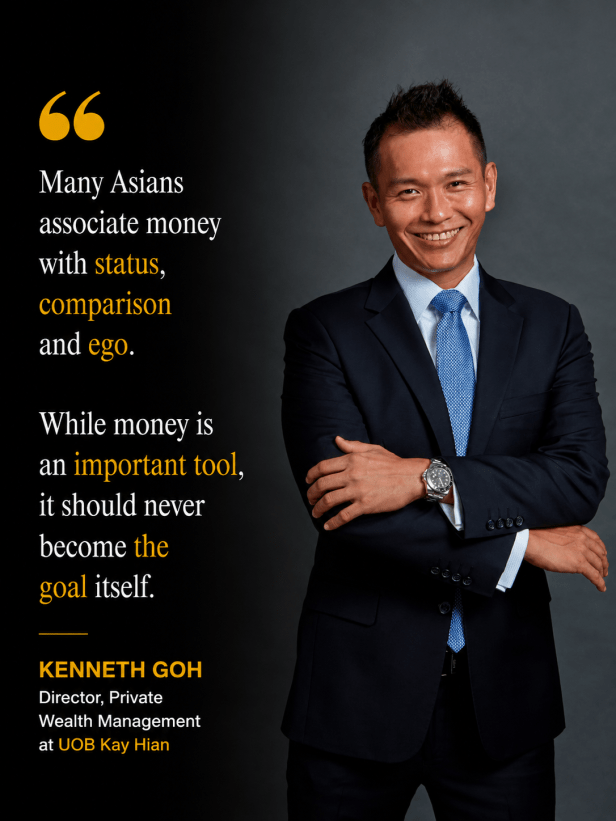
Many Asians associate money with status, comparison and ego. While money is an important tool, it should never become the goal itself.
Instead, we should focus on understanding ourselves, identifying our strengths and choosing work that aligns with our interests, abilities and purpose.
For younger people especially, the best investment may not be buying the right stock. It is choosing the right career or vocation. Once you get that right, many other financial decisions become much easier.
One piece of advice that has always stayed with me comes from Scott Adams, creator of the Dilbert comic strip. He argues that passion alone is not enough. Instead, we should build a unique combination of skills that sets us apart. I believe that is excellent advice.
Where do you see yourself 10 years from now?
I do not think my work will fundamentally change. Ten years from now, I will still be managing money, writing and teaching in some form.
Writing remains challenging because I constantly rewrite and refine my work, but it is also deeply fulfilling. Those three areas—wealth management, writing and education—will continue to be the foundation of what I do.
What is your vision for Singapore over the next five years?
I hope Singapore moves beyond its fear of AI and recognises the many advantages we already have. We are a safe country with excellent infrastructure, talented people and access to opportunities.
While concerns such as rising living costs, AI-driven job disruption and an ageing population are real, I believe we should also appreciate our strengths.
Because I travel frequently, I am constantly reminded how fortunate we are. My hope is that Singaporeans remain optimistic, continue adapting and make the most of the opportunities available to them.
If you could have one superpower for a day, what would it be, and why?
I would choose the ability to give people peace. Even if it were only for one day, I would love everyone to experience genuine peace, contentment and quietness of mind.
We all need ambition and drive, but we also need moments of calm. If I could give that to people, it would be a wonderful gift.
Connect with Kenneth: AppliedMindMatter, LinkedIn and Instagram.
Kenneth is a member of Rainmaker, a movement that rallies like-minded people together based on the values of Love, Authenticity, Respect, Kindness and Youthfulness (LARKY).