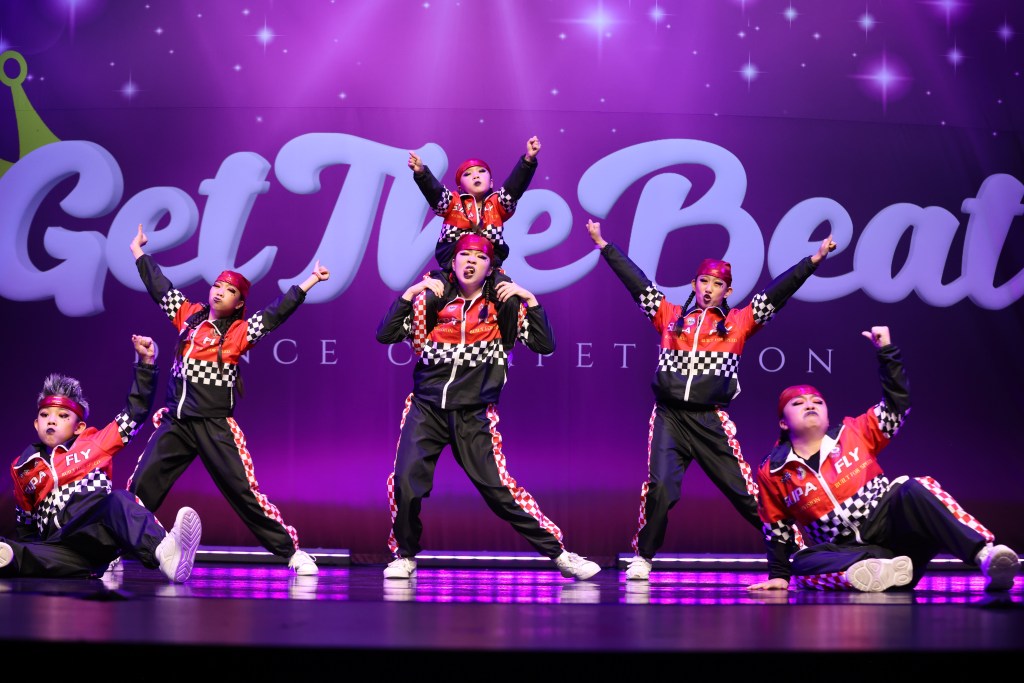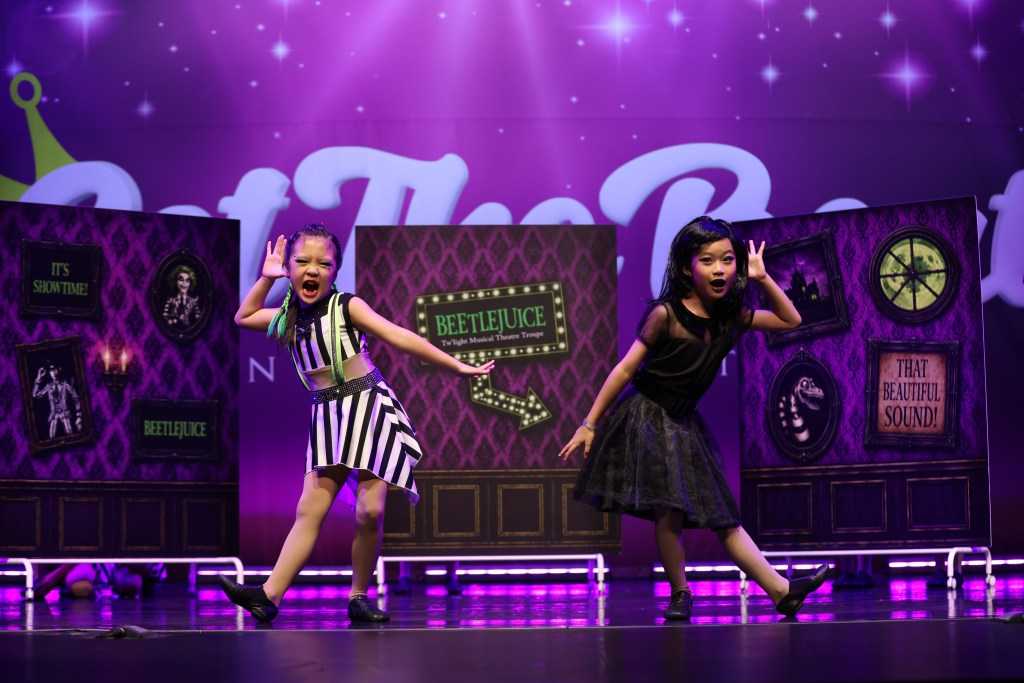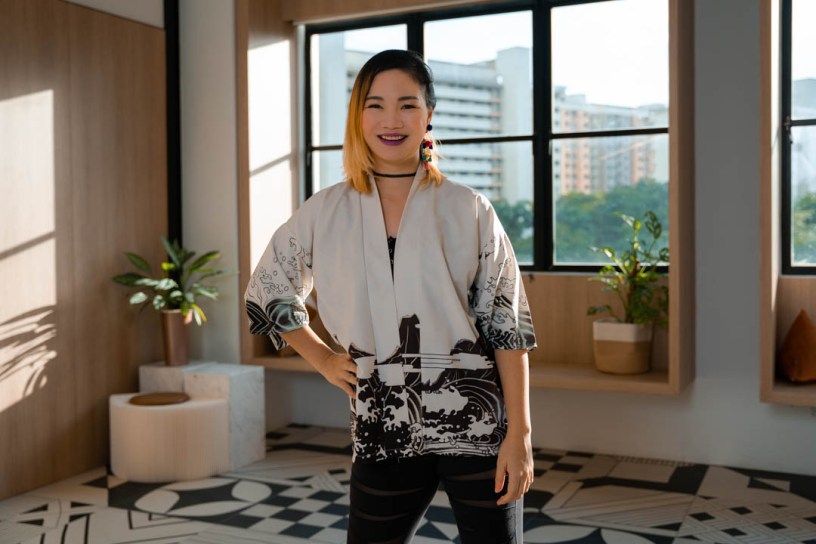
For Deniece, the performing arts are about far more than learning to sing, dance or perform on stage. They provide children with a powerful platform to develop confidence, resilience, communication skills and the habit of reflecting on their personal growth. She believes these life skills extend well beyond the stage and help prepare young people for challenges in both their personal and professional lives.
During the COVID-19 pandemic, after welcoming her first child, Deniece realised she could no longer cope with the demands and pressure of her previous role and made the difficult decision to leave. Encouraged by a few close friends to pursue her passion once again, she found the courage to start afresh by co-founding Emerge Arts & Media Academy. Since then, she has created meaningful opportunities for her students, including international performances, while championing greater appreciation, collaboration and long-term sustainability within Singapore’s arts community.
What inspired you to co-found Emerge Arts & Media Academy?
Before starting Emerge Arts & Media Academy, I had spent many years building my career in the performing arts industry. However, when the COVID-19 pandemic arrived, everything changed. Around the same time, I welcomed my first child and realised I could no longer cope with the demands and pressure of the job I was in. I made the difficult decision to leave.
Although I stepped away from the industry, a few close friends encouraged me to start again and continue pursuing the work I loved. As we discussed our vision, values and the kind of company we wanted to build, we came up with the name Emerge Arts & Media Academy. “Arts” represents the performing arts programmes we teach, while “Media” reflects our background in content creation.
Since we were also content creators when we started the business, we felt the name captured both aspects of our experience and mission.
Looking back, what were some of the biggest challenges during your first year in business?
One of the biggest challenges was attracting enough students and establishing our name in the industry. Building awareness and credibility takes time, so we had to remain patient while consistently promoting the academy. Our priority was to make more people aware of our programmes, attract students and gradually earn the trust of parents and the wider community.
How do the performing arts help children develop confidence, resilience and communication skills?
Performing arts lessons require students to learn, practise and master content, developing patience and resilience. Regular practice and performance also build confidence.
Discussions with coaches strengthen communication, critical thinking and reflection. Even young students are encouraged to reflect in age-appropriate ways, as meaningful growth is difficult without understanding what needs to improve.
The arts therefore develop valuable life skills that extend far beyond the stage.
Do you believe creativity is something people are born with, or can it be nurtured?
I believe creativity can definitely be nurtured. From an early age, children are influenced by what their parents, grandparents and caregivers do, say and expose them to. The sights, sounds, conversations and experiences around them can either encourage or limit their creativity.
Parents naturally need to focus on practical concerns and everyday responsibilities. However, if children grow up in environments that are overly structured, they may learn to think within very narrow boundaries.
When caregivers are more playful, imaginative and open-minded, children are encouraged to explore possibilities and think creatively. Play is one of the most powerful ways to nurture creativity.
Many people measure success through trophies or certificates. How do you measure success as educators?
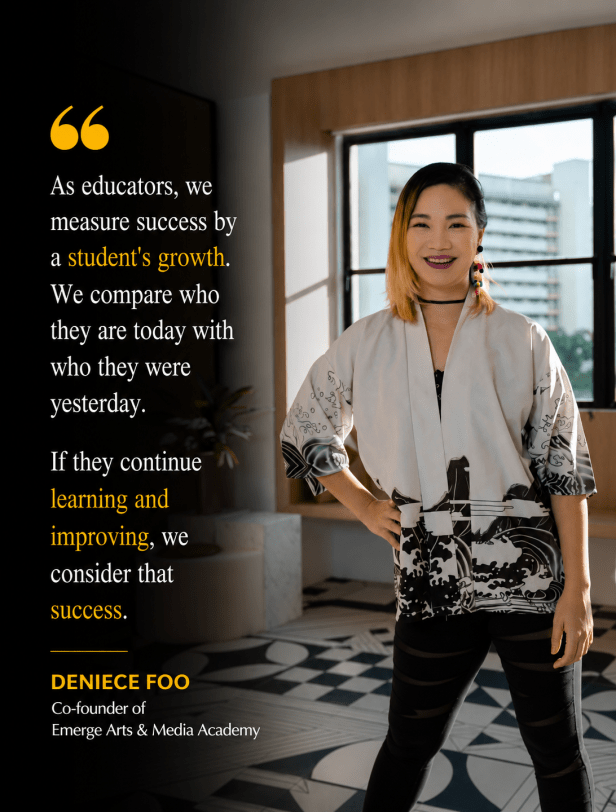
As educators, we measure success by a student’s growth. We compare who they are today with who they were yesterday. If they continue learning and improving, we consider that success.
While competitions and awards can be encouraging, they do not always reflect meaningful achievement. A student may never win a trophy but still make consistent progress in class, and to us, that represents genuine success.
Success in a craft may differ from success in life, but as educators, continuous learning and personal growth remain the most meaningful measures.
What is one decision you almost decided not to make because it felt impossible, but eventually chose to pursue?
We regularly place ourselves in situations that feel uncomfortable because I believe real growth happens outside our comfort zones.
Starting a new company after leaving my previous business was one of those challenges. I had focused mainly on teaching while my former business partner handled marketing, so I had to learn everything from scratch by attending courses, asking questions and experimenting until we gradually attracted more students.
Leasing our own premises at Clarke Quay Central was another major step. Having previously worried about paying rent, it was a frightening decision, but after careful planning, we took the leap. We have now operated there for over a year while successfully managing the rent and two business loans.
We also spent nearly a year securing an opportunity for our students to perform at Hong Kong Disneyland. Seeing them perform there made all the effort worthwhile.
What is your vision for Singapore in the next five years?
My vision is for Singapore to embrace the arts more deeply. I hope to see more arts initiatives and greater appreciation that the arts are part of everyday life, including media and entertainment. By supporting the arts, we can help sustain the industry for future generations.
We also need to nurture the next generation by encouraging young people to pursue the arts and helping parents recognise that creative careers are now far more viable than they were 30 years ago.
At the same time, I hope arts organisations become more open to collaboration and resource sharing. Rather than protecting contacts and opportunities, working together can strengthen the entire ecosystem. I enjoy connecting people and organisations, helping them grow through partnerships and shared opportunities.
My hope is to see greater appreciation for the arts from the public, while arts organisations become more collaborative in building a stronger creative community.
If you could have a superpower for one day, what would it be and why?
I would choose to become young again while retaining the wisdom and experience I have today. Looking back, I made many decisions through trial and error. I would not necessarily describe them as foolish decisions, but there were many things I could have handled differently if I had known then what I know now.
I would like to return to being 20 years old with my current mindset and guide my younger self towards making wiser choices, avoiding certain unhealthy partnerships and approaching opportunities with greater clarity. It would be fascinating to relive the last 20 years with the experience I have gained.
Connect with Deniece: EmergeArts&MediaAcademy, Instagram and TikTok.