Meet Lee Sang, Co-Founder of Clef Music, a music educator whose passion for teaching has shaped thousands of musical journeys. Having taught music for many years across private lessons, early childhood education, performance, and multiple instruments, she believes music is not simply about passing examinations but about helping people discover confidence, purpose, and self-expression.
Together with her sisters, Lee Sang co-founded Clef Music to make music more accessible across all age groups. Today, the organisation provides music education for children, corporate music programmes for businesses, and community-based initiatives for seniors, all with the goal of enriching lives through meaningful musical experiences.
What inspired you to co-found Clef Music, and what gap did you see in music education when you first started?
Interestingly, there was no grand plan to solve a specific gap in music education.
One of my sister was looking for an investment opportunity, while I had been teaching music for many years. I taught piano, singing, guitar, and also worked in early childhood education. Although I enjoyed teaching, I wanted to explore something more exciting and meaningful.
People often asked me, “You know so many instruments. Why don’t you start a music company?” I never seriously considered it because I was quite content being a music teacher. Many musicians are like that. We enjoy the freedom to do what we love without thinking too much about building a business.
When my sister suggested investing in a music company and asked me to run it with her, I felt it was an opportunity worth exploring. In fact, all three sisters eventually came together to form the company.
Looking back, it was simply a combination of passion, timing, and complementary strengths. I focused on the artistic and educational side, while my sisters brought business and administrative expertise.
Looking back, what were some of the biggest challenges during the early years of building Clef Music?
The biggest challenge was growth.
For the first six months, the business remained relatively stagnant. We did not lose money because we operated mainly through private lessons and had very low overheads, but we were not growing either.
We began discussing how to expand beyond private teaching. Fortunately, a Family Service Centre discovered us and invited us to run programmes. That became a turning point and helped us grow steadily from there.
Clef Music places strong emphasis on helping children become confident performers. Why do you believe music has such a powerful impact on confidence?
This comes from my own experience. Confidence does not mean being confident in everything. For example, public speaking has never been my strongest area, whether in English or Chinese.
However, when I perform music, I feel confident because music allows me to express my strengths and discover my value.
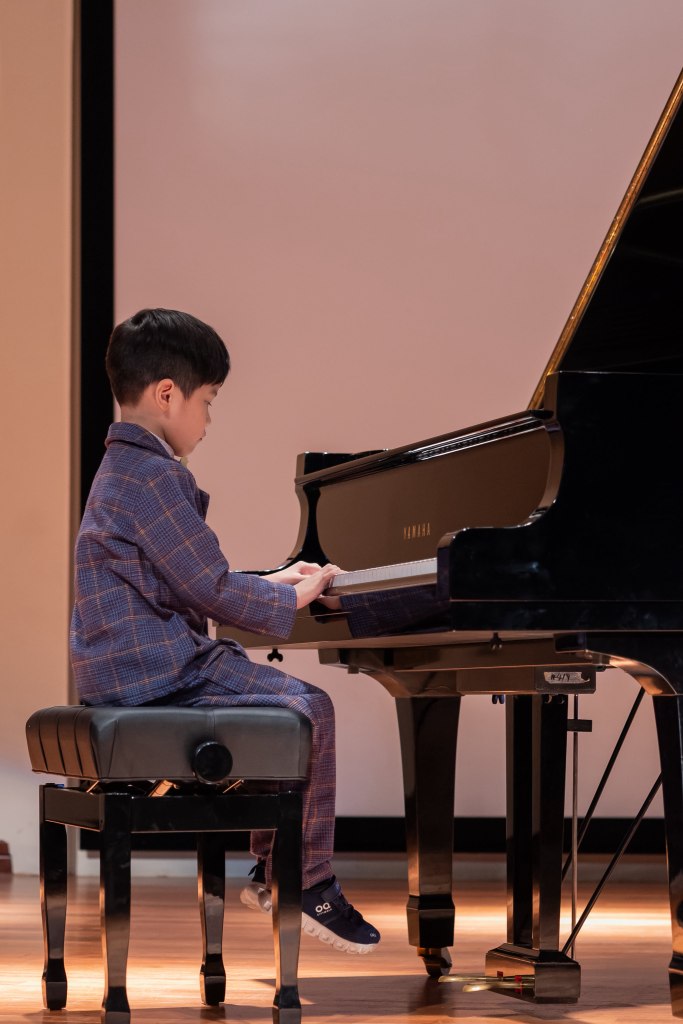
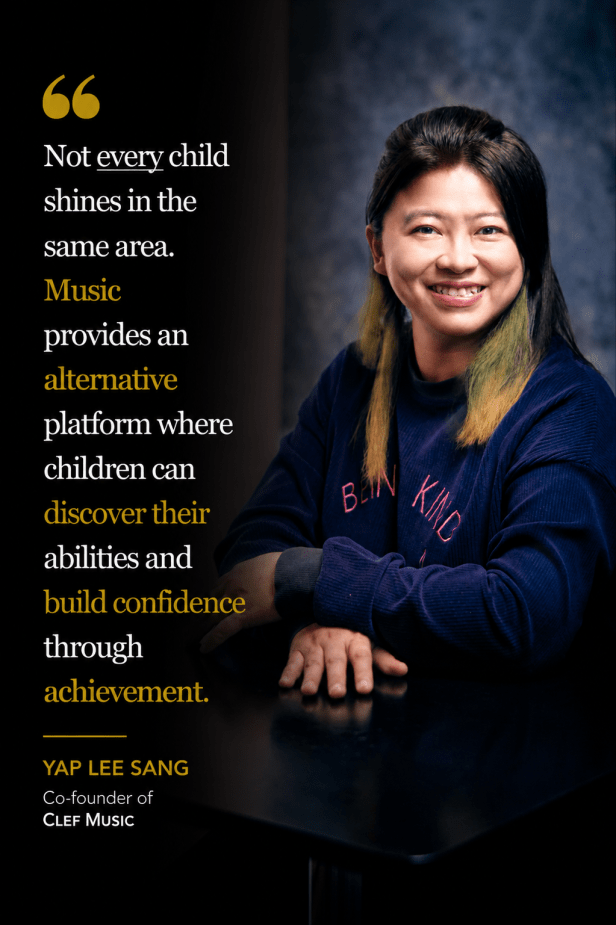
Not every child shines in the same area. Music provides an alternative platform where children can discover their abilities and build confidence through achievement.
That is why we encourage students to perform in concerts every year. Performing helps them realise what they are capable of and gives them confidence that extends beyond music itself.
As both an educator and entrepreneur, how do you balance educational values while running a sustainable business?
My natural instinct is always to prioritise the educational value and benefits for students.
However, my sisters come from corporate backgrounds and often focus more on the business side. We regularly discuss and sometimes debate issues such as teacher compensation, operational costs, and sustainability.
These discussions help us find balance. I believe one person alone may struggle to maintain both perspectives, but having different viewpoints allows us to make better decisions.
Clef Music also runs corporate music programmes. Why do you think music is effective in team bonding and bringing people together?
The key reason is that music creates a shared goal.
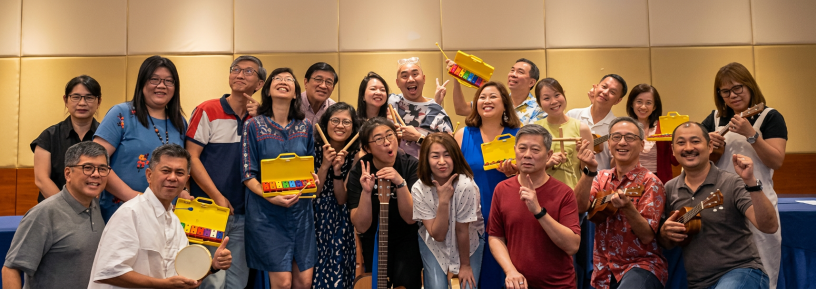
In our programmes, participants work together to perform as a mini orchestra using instruments such as percussion, xylophones, and ukuleles. They must collaborate because success depends on everyone contributing.
We also incorporate activities involving clapping, singing, turn-taking, and group participation. The environment is encouraging, engaging, and supportive.
Most importantly, there is no right or wrong. Everyone contributes in their own way, and by the end, the entire group comes together to perform a piece of music as one team.
How do you define success today beyond financial achievements?
Success means being able to develop and empower others to do what I do.
If I can mentor and raise the next generation of music educators who can continue creating impact, that is success to me.
What is your vision for Singapore in the next five years?
I hope people of all ages will have opportunities to experience music in meaningful ways. For children, I hope they can learn music at an affordable price in a healthy environment where confidence and life skills are valued as much as examination results.
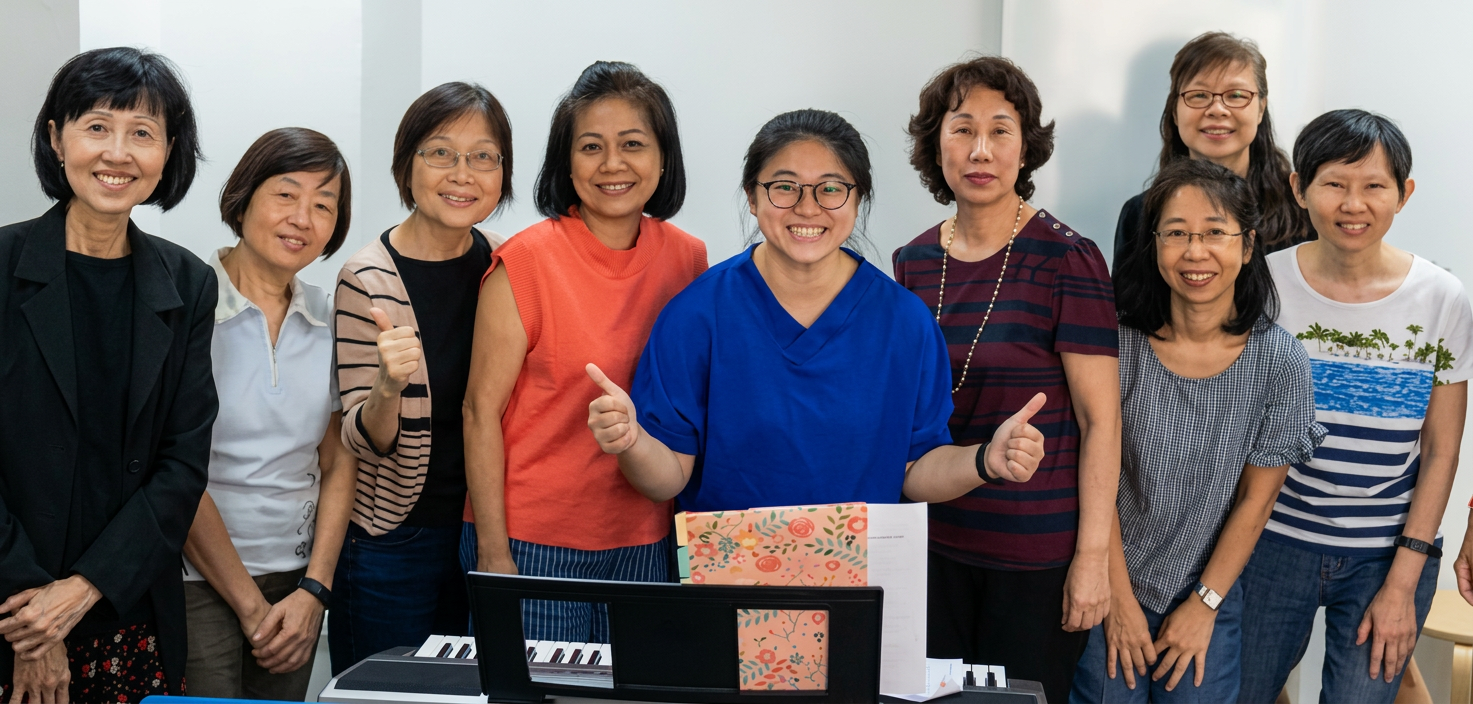
For working adults, I hope more people can stay connected to music through programmes such as corporate workshops and team-building activities.
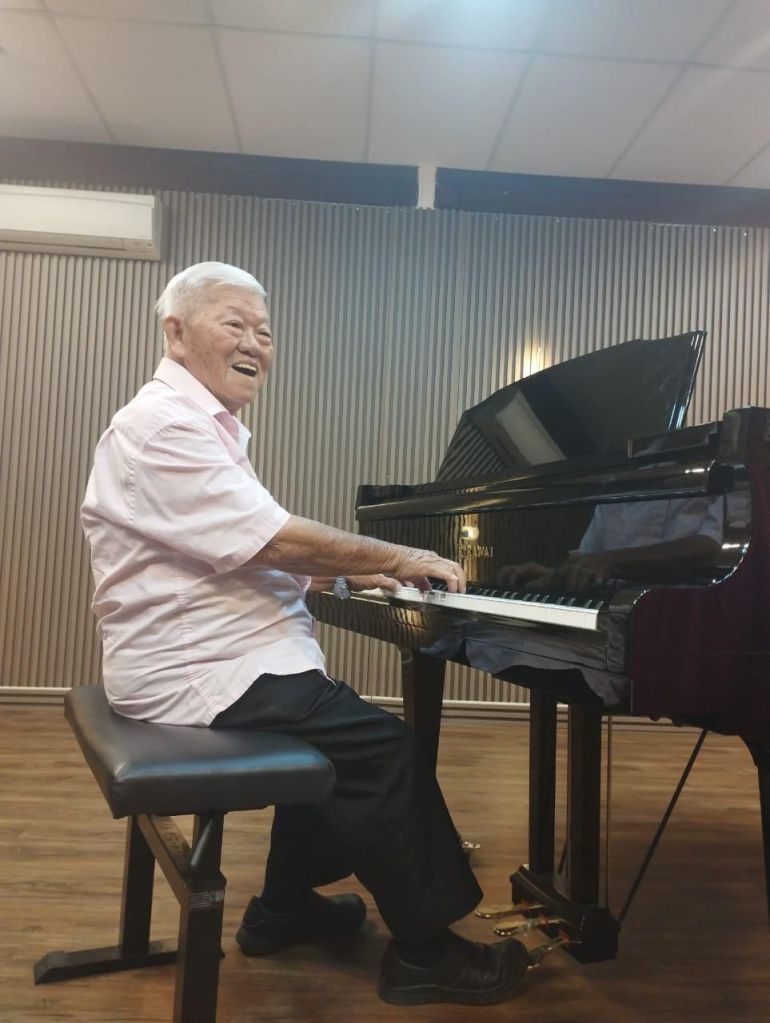
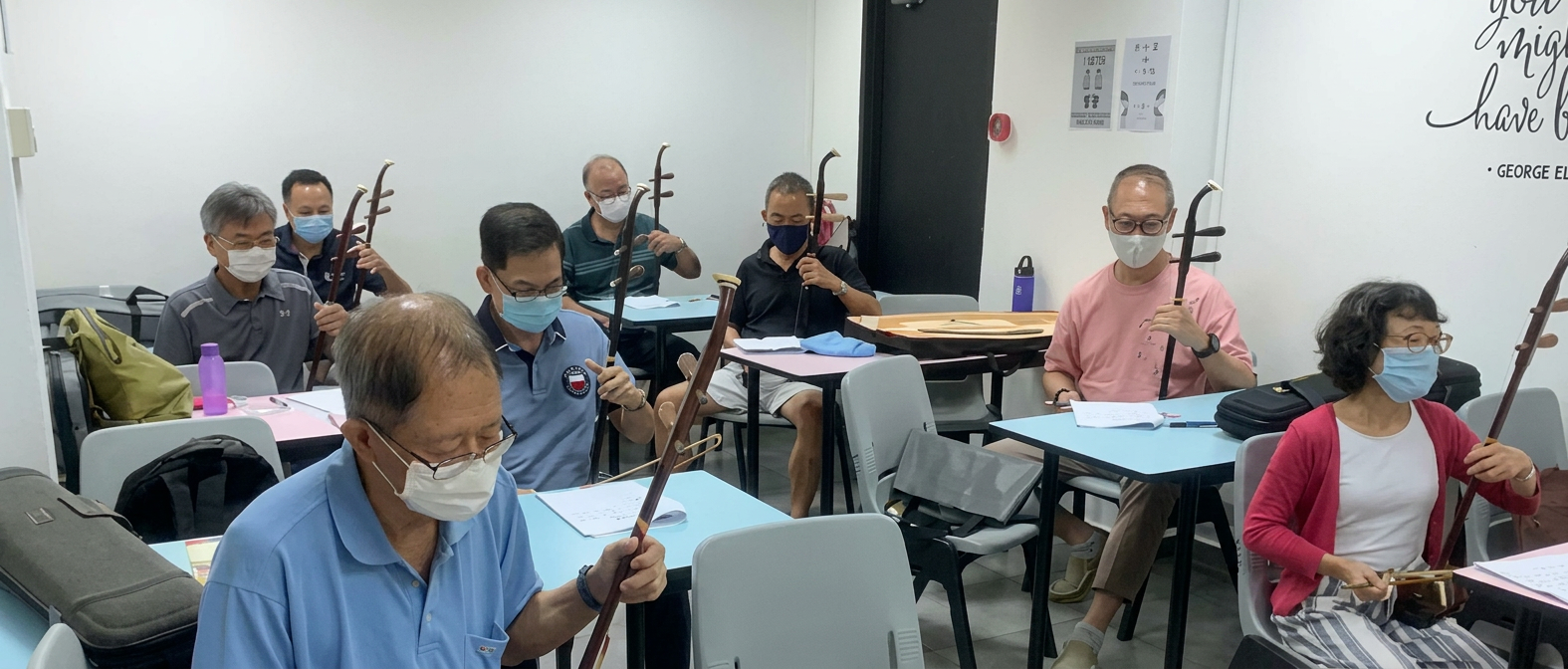
For seniors, I hope music can become a way to pursue dreams, build friendships, and create supportive communities.
If you could have a superpower for one day, what would it be and why?
I would love the ability to hear any piece of music and instantly play it.
Even after many years in music, there are still genres and styles, especially jazz, that I find challenging. I often hear wonderful music and wish I could immediately reproduce it without needing years of practice.
That would be an amazing superpower for any musician.
Connect with Lee Sang: ClefMusic, LinkedIn and Instagram.