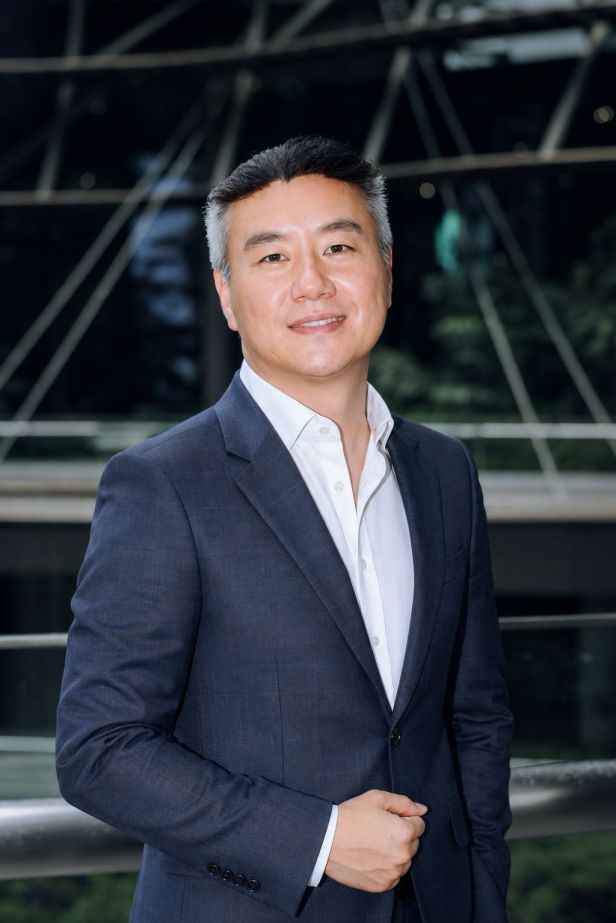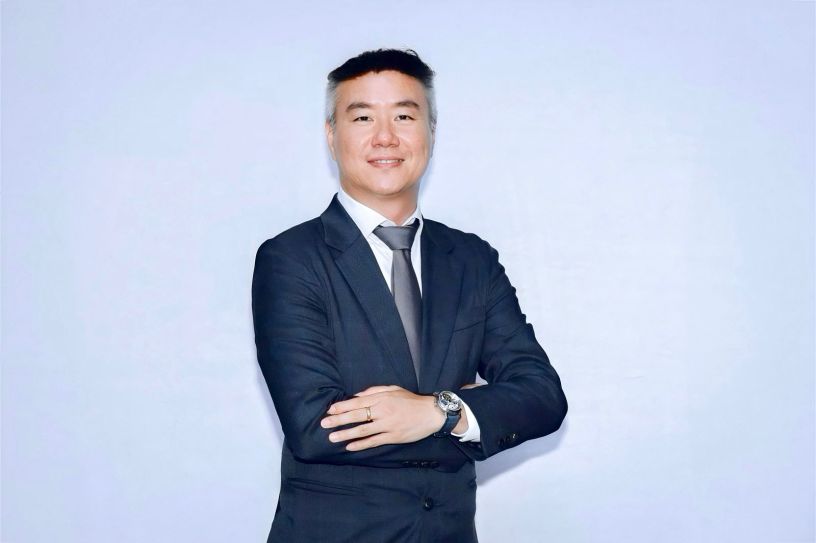
Meet Kenny, a corporate finance and M&A professional whose career journey began in audit and transaction advisory before evolving into growth capital, restructuring, and strategic advisory. Having worked across Malaysia and Singapore with industries ranging from shipping and logistics to plantations and heavy industries, Kenny developed a deep understanding of the challenges SMEs face when trying to scale sustainably.
Through Oakwood & Drehem Capital and OAD SG Pte Ltd, he works closely with businesses across Southeast Asia on fundraising, growth strategies, and succession planning in an increasingly fast-moving economy. With ASEAN undergoing rapid transformation, Kenny believes businesses must move beyond traditional mindsets and embrace collaboration, strategic partnerships, agility, and knowledge-sharing to remain competitive in the modern world.
You began your career in audit and transaction advisory before moving into corporate finance and M&A. What drew you into this space initially?
I started my career as an assurance associate in a Big Four firm in Malaysia, covering industries such as property development, plantations, and heavy industries before moving to Singapore to join PricewaterhouseCoopers. In Singapore, I worked with clients in shipping, marine, oil and gas, and logistics, where many multinational corporations are based.
Throughout my journey, I noticed that many SMEs lacked the guidance and support needed to scale. Traditionally, business owners believed they had to grow slowly and prove themselves before securing larger opportunities. However, today’s startups often raise funds first to scale faster. Many established SMEs still struggle to expand because they lack strategic capital and partnerships.
This inspired us to focus on growth capital and succession planning. Across Southeast Asia, many first-generation business owners are now in their 60s and 70s, making succession a major challenge. Strategic investors and partners can help bridge this gap by providing mentorship, systems, and expertise for the next generation.
From an investor’s perspective, what are some of the biggest mistakes you observe in businesses today, particularly when it comes to leadership, diversification, and cash flow management?
From an investor’s perspective, the most important factor is always the founder and management team. Regardless of how strong the business appears financially, everything ultimately depends on the people driving it. A company may generate excellent profits, but if the leadership lacks the right character, discipline, or vision, the business can decline very quickly.
Another common issue is excessive diversification. Many founders become overly ambitious and start venturing into unrelated industries simply because they have the passion or capital to do so. Diversification is not necessarily wrong, but it must remain within the company’s core strengths and capabilities. Otherwise, management becomes overstretched.
Cash flow management is another major challenge. Companies sometimes invest in businesses or acquisitions outside their expertise, expecting existing teams to manage them. However, when the people are not suited for those ventures, problems begin to surface. At the core of every successful business is still the quality of the people leading it.
What about when it comes to fundraising?
One of the biggest mistakes SMEs make is raising funds only when they urgently need money. Businesses should start fundraising earlier so they have time to choose the right strategic partners instead of accepting any available investor.
Another common issue is poor preparation. Many founders underestimate the level of structure investors expect, including proper financial projections, governance, documentation, and organised data rooms. Some SMEs also operate too informally, such as allowing family members to draw salaries without clear roles or frequently withdrawing company funds, which raises concerns about governance and discipline.
Finally, many traditional business owners are strong operators but struggle to present their business effectively. They often fail to recognise and communicate their unique strengths and intangible value to investors.
Collaboration and the sharing economy are critical. Successful businesses today often focus on what they do best while partnering with others to complement their capabilities. Speed to market and visibility are also essential. A company may have excellent products or services, but if nobody knows about them, growth becomes difficult.
You have spoken about ASEAN’s transformation and capital relocation trends. Why do you believe Southeast Asia is becoming increasingly important globally?
Southeast Asia still has tremendous room for growth, especially in digitalisation, manufacturing, and technology transformation. As manufacturing costs rise in China, many global businesses are shifting their production capabilities into ASEAN countries.
ASEAN has a strong advantage because of its labour force, growing education levels, and multilingual capabilities. Countries such as Vietnam and Indonesia are increasingly equipping their workforce with English and Mandarin skills, making the region even more attractive for international business.
I believe ASEAN sits in a unique middle ground. It offers a balance between cost efficiency and technological capability. While countries like China, Europe, and the US focus on higher-end production, ASEAN provides scalable and cost-effective manufacturing with increasingly skilled talent pools. This positions the region very strongly for future global growth.
What qualities define a strong business leader today?
Leadership today requires a very different mindset compared to the past. Previously, qualities such as patience, integrity, and consistency were sufficient. Today, leaders must also be agile and adaptable because industries evolve rapidly. Modern leaders can no longer succeed alone.
Collaboration and the sharing economy are critical. Successful businesses today often focus on what they do best while partnering with others to complement their capabilities. Speed to market and visibility are also essential. A company may have excellent products or services, but if nobody knows about them, growth becomes difficult.
Leaders today must therefore embrace collaboration, technology, visibility, and continuous learning.
How do you define success today beyond financial achievements?
Success changes at different stages of life. In your twenties, success may mean joining a reputable company. In your thirties, it may mean building a stable family and career. In your forties, it could be about creating long-term security and growth.
For business owners, success is no longer defined simply by company size or number of employees, especially in the age of AI and automation. To me, success is about continuous progression and learning. I never consider myself fully successful because there is always more to learn and improve.
I believe success is shaped by both good and bad experiences. Every challenge, failure, and lesson adds flavour to life and business. The richer the experiences, the richer the journey becomes.
What is your vision for Singapore in the next five years?
Singapore will continue to position itself as the strategic control tower for ASEAN. Businesses and investors looking at Southeast Asia should still view Singapore as the starting point because of our governance, stability, technology infrastructure, and global reputation.
At the same time, Singapore must strengthen its focus on automation, vocational skills, food sustainability, energy security, and advanced manufacturing. We should continue retaining high-value industries and sensitive technological capabilities locally while collaborating closely with neighbouring ASEAN countries for broader growth opportunities.
If you could have a superpower for one day, what would it be and why?
I would want the ability to sit in as many meetings with global leaders as possible. By observing how world-class leaders think, communicate, and make decisions, we can learn far more than from books alone. Watching how they manage people, strategy, and negotiations across different cultures would help anyone become a better leader and businessperson.
Connect with Kenny: Oakwood&Drehem and LinkedIn.