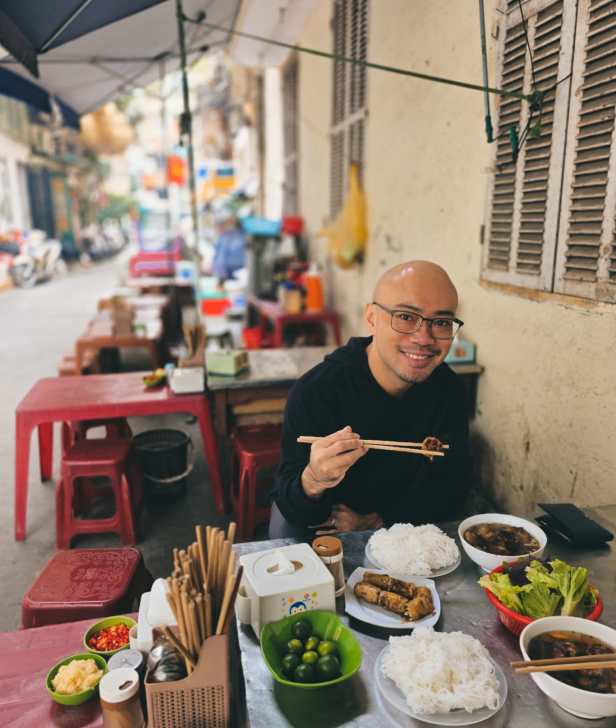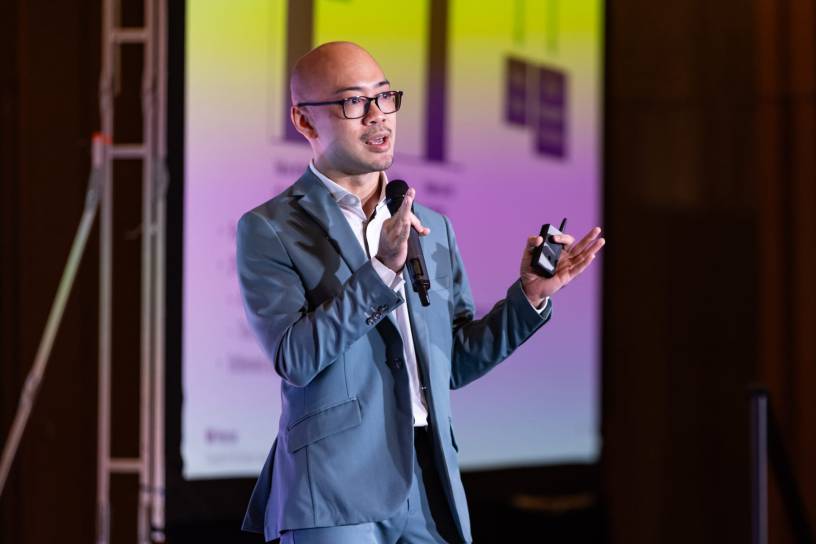
Meet Lionel, who has spent more than two decades advising organisations across ASEAN on workforce strategy, talent, and leadership. Having worked closely with CEOs, founders, and multinational companies, he has witnessed firsthand how business priorities shift across industries, economic cycles, and global disruptions. His experience spans helping organisations balance profitability with people development while navigating increasingly complex workforce challenges.
Today, Lionel continues to guide businesses through issues such as AI transformation, rising healthcare costs, ageing workforces, and leadership development. Grounded in both strategic insight and human understanding, he believes the future belongs to organisations and individuals who can remain adaptable, people-centric, and resilient in times of uncertainty.
You work closely with CEOs and senior leaders. What do top executives really care about when it comes to workforce and talent?
Every CEO has different motivations because, ultimately, CEOs are people too. Some are employee CEOs of listed companies, so their focus is strongly tied to maximising shareholder value. For them, attracting, retaining, and engaging top talent is critical, but they are also prepared to make difficult people decisions during challenging business periods.
Founder CEOs, however, often see employees as part of the family. Many genuinely want to share success with their people and create wealth together. I have met founders who openly say they want as many employees as possible to become millionaires when the company succeeds.
Then there are many leaders who fall somewhere between these two extremes.
What are the biggest workforce challenges organisations across ASEAN are facing today?
The most immediate challenge is geopolitical instability, especially the Iran war, which affects industries differently. Some sectors, like renewable energy, EVs, semiconductors, and AI-related industries, are thriving. Others, particularly consumer discretionary sectors, are struggling.
At the same time, medical inflation has become a major concern. Companies are spending millions more on healthcare benefits and are trying to balance rising costs with salary increments and workforce sustainability.
Another major issue is the ageing workforce. Organisations are questioning how quickly older employees can adapt to AI and new technologies.
Finally, AI itself is reshaping expectations. Companies are under pressure to achieve more with fewer people, which is driving rapid adoption of automation and AI-enabled productivity.
Your role involves both advising clients and driving revenue. How do you balance being a trusted advisor while also closing deals?
After more than 20 years in this industry, I have learned that your reputation depends on doing right by your clients. You cannot sell something purely for short-term gain if it does not genuinely solve their problems. Long-term trust matters far more than short-term revenue.
When projects are done well, they can create meaningful impact. I remember working on a project with MOE involving special education pay benchmarking, competency frameworks, and development roadmaps.
The outcome helped uplift the sector. That is when you realise consulting is not just about revenue; it can also contribute to society.
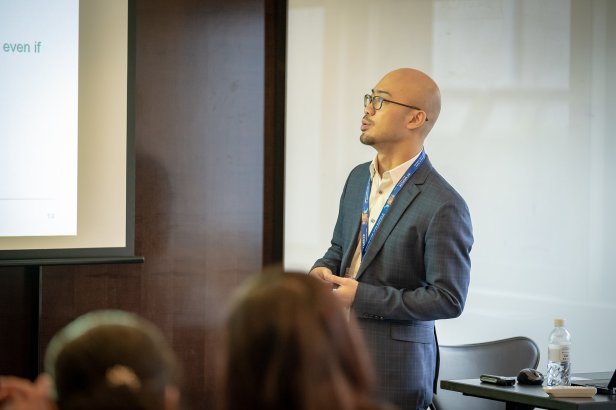
What I believe will always matter are people skills. Human motivations, emotions, and relationships remain constant. The ability to understand others, communicate effectively, and build trust will continue to be valuable regardless of how technology evolves.
You lead cross-country teams and complex projects. What leadership skills are most important at your level?
When working across countries, the first rule is to give before you take. You must demonstrate value before expecting anything in return. Cross-country collaboration works best when you contribute expertise, innovation, and support generously.
Over time, once people recognise the value you bring, stronger relationships and opportunities naturally follow. Leadership at this level is really about helping others succeed first.
AI and automation are rapidly reshaping industries. Do you think companies are truly prepared for the pace of change?
Honestly, I think most people still underestimate how quickly AI is moving. In some organisations, AI agents are already replacing significant portions of teams and even making decisions. I recently spoke with someone who reduced a finance team from 14 people to seven because AI agents took over much of the work.
The biggest challenge is that many professionals still do not fully understand how disruptive AI can become. At the same time, it presents enormous value opportunities for businesses that adapt quickly.
What legacy or lesson would you want to pass on to the next generation?
I am honestly worried about the next generation because of how quickly the world is changing through AI and geopolitical instability. Technical knowledge alone may not remain relevant for long.
What I believe will always matter are people skills. Human motivations, emotions, and relationships remain constant. The ability to understand others, communicate effectively, and build trust will continue to be valuable regardless of how technology evolves.
If you could have a superpower for one day, what would it be and why?
I would want the ability to remove greed from human nature. I genuinely believe the world has enough resources for everyone. Many of society’s biggest problems come not from scarcity, but from selfishness and greed.
Without greed, the world could be far more peaceful and equitable.
Connect with Lionel: LinkedIn.