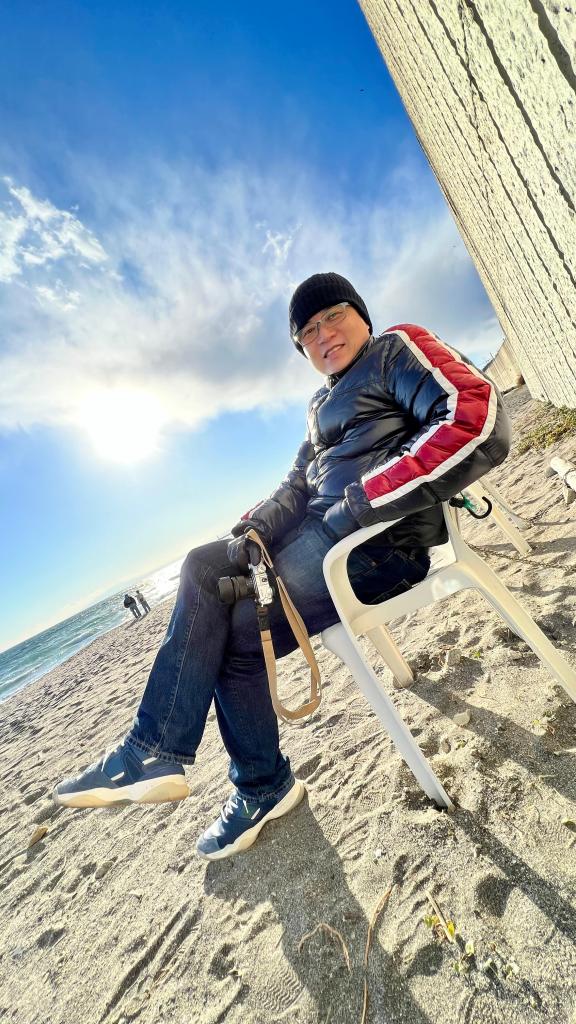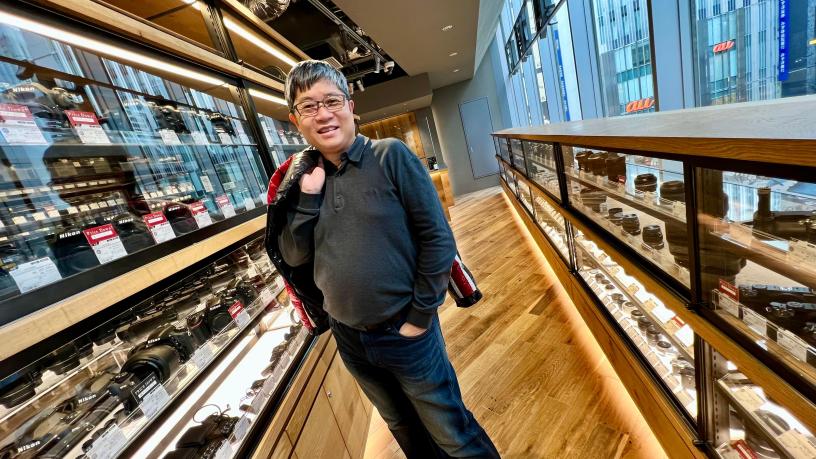
Meet Benny. His journey to financial independence grew from global exposure, disciplined corporate experience, and thoughtful investments in property and other assets. From travelling in his twenties to building a diversified portfolio, his path reflects long-term thinking. After stepping away from corporate life at 45, he now shares a grounded view of wealth, time, and purpose, seeing financial freedom as the ability to live intentionally.
Today, Benny has returned to real estate as an agent, driven by a deeper calling. Having navigated the property journey himself, he recognised the lack of advisors who prioritise long-term interests. He now guides clients with honesty, patience, and practical insight drawn from his own experience.
You came from humble beginnings but managed to retire at 45. Can you take us back to the early days of your journey?
I would say I have been quite fortunate. After graduation, I landed what felt like a dream job as a travel specialist dealing with exotic destinations around the world. By the age of 30, I had travelled to all seven continents, including camping in Antarctica. That experience broadened my worldview tremendously.
Later, I moved into the corporate world, working in regional tobacco sales outside Singapore. The role was financially rewarding and allowed me to purchase a second property not long after my first. My wife has always been supportive and very interested in real estate, which helped us build a property portfolio alongside other investments.
By the time I turned 45, I had accumulated enough assets and income streams to decide that I no longer needed to work unless I wanted to.
You mentioned that you were in regional tobacco sales. What did that role teach you about discipline, resilience, and doing business?
Before entering the corporate world, my exposure to different cultures came mainly through travel. But working in a regional role was very different because it meant understanding business cultures across countries.
I learned what different societies value, how people communicate, and the importance of both spoken and unspoken cues. That made me much more sensitive when dealing with international partners. The corporate environment also instilled discipline and structure.
In business, if you fail to follow up, you lose the deal. The tobacco industry is highly regulated, so it shaped a very systematic way of thinking. That structured mindset later influenced how I managed my finances, organised my investments, and even how I operate as a landlord today.
At what point did you begin thinking seriously about financial independence rather than simply earning a salary?
That probably began about sixteen years ago when I was living in Japan and managing the market there. I started thinking about returning to Singapore, but the next possible postings were countries like Cambodia or Laos.
While I respect those markets, I felt my family might struggle with a long term relocation. I began asking myself what life would look like if I stopped working. To make that possible, I analysed my lifestyle and calculated the level of income I would need.
It was actually a simple equation: total your expenses, review your assets and income sources, and determine whether they can support that lifestyle. That was when I started planning seriously for financial independence.
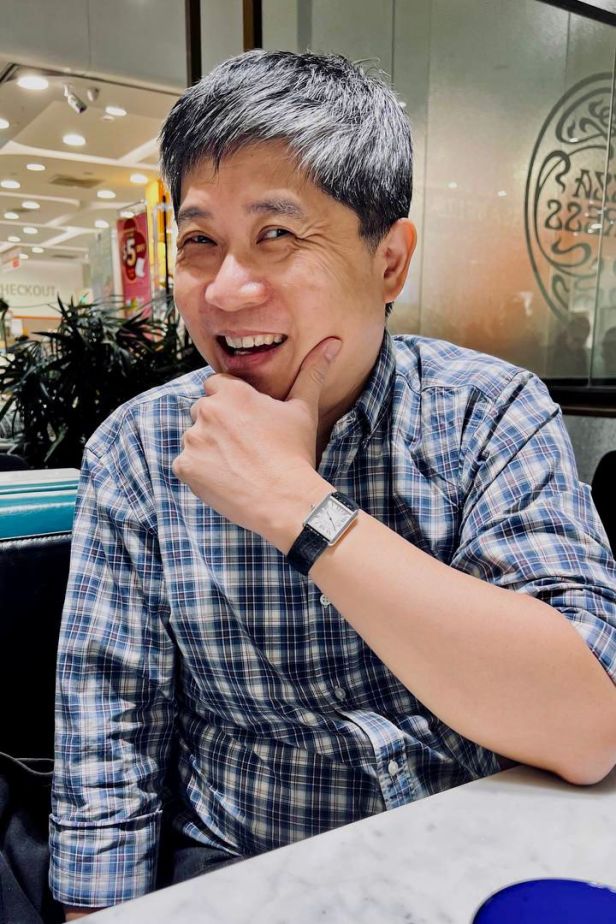
Interestingly, the older I get, the fewer things I actually want. My wife once said something that stayed with me: being rich is not about how much you have, but how little you need to live well.
How did your lifestyle change after stepping away from full time work?
One major change is that you are no longer tied to the corporate calendar. In corporate life, everything revolves around annual, monthly, and weekly cycles. When you step away from that structure, you gain clarity about what you truly want to do with your time.
Interestingly, I also realised that I needed far less than I once thought. Before leaving corporate life, I might have imagined needing luxury cars or expensive watches. But once you are outside that environment, those things become unnecessary.
You spend time with people who are not trying to prove anything. Naturally, your expenses drop, which improves your financial planning even further.
What are some common misconceptions people have about building wealth through property?
Property is an important pillar of wealth building, but it should not be the only one. Some people insist you must invest everything in property, while others argue it is the worst investment because it is illiquid. Both views are misconceptions. Property should be one column within a diversified portfolio.
As for liquidity, while selling a property takes time, there are ways to unlock value without selling. For example, homeowners can take equity term loans by pledging their property as collateral. This can provide liquidity much faster than selling the asset outright.
What personal habits have helped you build wealth?
Rather than a specific habit, I focus on how I spend my time. Many people say time is money, but time is actually more valuable because you can only spend it once. Even the richest people in the world cannot buy back time.
Today, I try to spend my time on activities that enrich me rather than drain it. I avoid things like endless gaming or watching dramas that add no value. Instead, I focus on learning, thinking, and sharing knowledge with others. In my view, using time wisely is the most valuable habit anyone can develop.
What does financial freedom mean to you?
The term “financial freedom” is often overused. Some people are truly financially free because they have enormous wealth and do not need to consider financial consequences. I am not at that level, but I am comfortable enough to buy things that I want.
Interestingly, the older I get, the fewer things I actually want. My wife once said something that stayed with me: being rich is not about how much you have, but how little you need to live well.
What is your vision for Singapore in the next five years?
I hope Singapore becomes less stressful for its citizens. Many people feel pressure from the high cost of living and the demands of modern life. Families often sit together at dinner but remain absorbed in their phones, replying to emails and messages.
If we can find a better balance between work and family life, even just an hour of meaningful time together each day, our society would be much healthier.
If you could have a superpower for one day, what would it be and why?
I would switch off the Internet for a day. It would force people to reconnect with each other in real life. That alone would change many things.
Connect with Benny: Facebook, TikTok and Instagram.