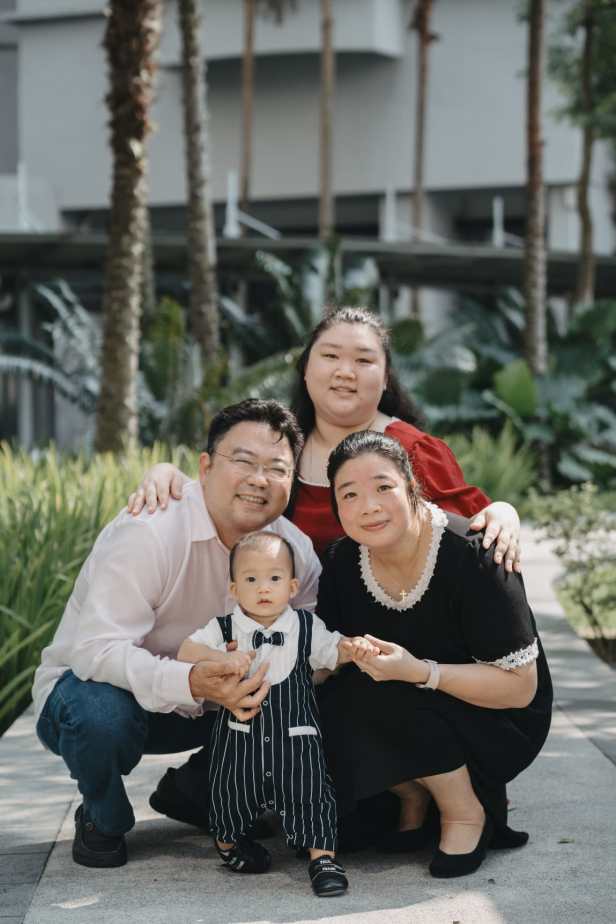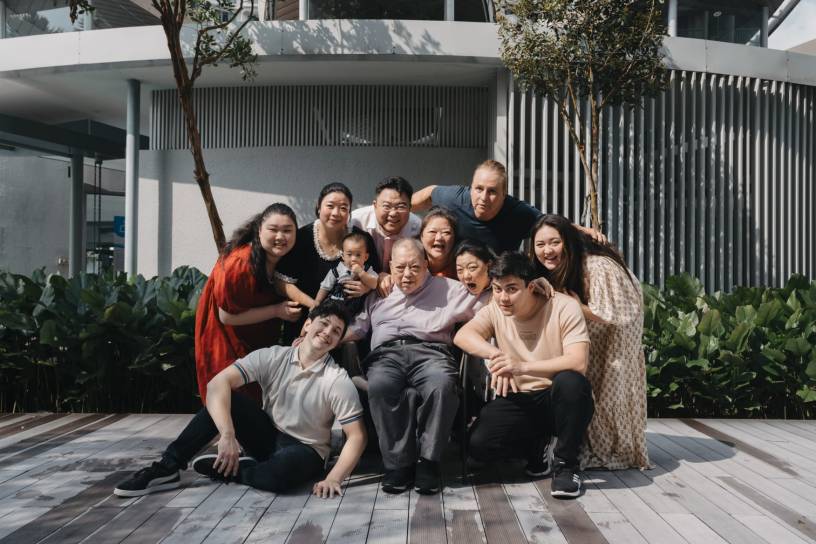
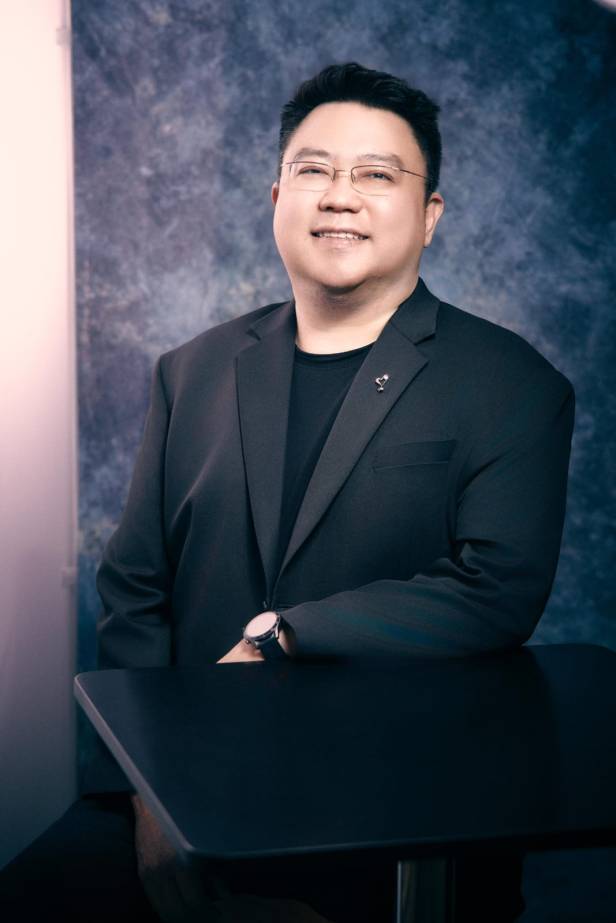
Meet John. His journey began in the demanding world of electrical engineering, where he learnt resilience, independence, and the importance of self-worth under the guidance of his father. Those early years, though challenging, shaped his mindset and laid the foundation for how he approaches both business and life today.
A turning point came when he survived a near-death industrial accident that left him with 20% burns, forcing him to confront the fragility of life and rethink what truly matters. Today, John has transitioned into a career and leadership coach, helping individuals uncover their potential and align their work with purpose. He now empowers others to grow, lead, and build meaningful legacies that extend beyond themselves.
What was it like working with your dad in the electrical engineering field, and what did you learn from that experience?
My dad is a very quiet person. When I first asked him how to prepare a quotation for a tender, his response was, “If you don’t know how to do it, how can you be my manager?” That took me by surprise, but it taught me an important lesson. I had to find my own answers.
Working with my dad felt like learning to swim without a coach. I had to rely on books, my technicians, engineers, and hands-on experience to figure things out. It was one of the toughest periods of my life, but it shaped me deeply.
From that journey, I learnt that I can become anything I set my mind to. I also saw that while my father was an excellent engineer, he did not value his work financially. For decades, clients expected the same rates. That taught me the importance of valuing ourselves. I rebuilt the business to focus not on market share, but on serving customers who appreciate quality and are willing to pay for it.
What made you transition from engineering into career and leadership coaching?
When I returned in 2007, my intention was to take over my father’s consulting business. However, my background was in business, not engineering, and expanding into contracting required high capital and risk, especially as my father approached retirement.
Eventually, we decided to wind down the business, especially after Covid affected operations and my father’s health declined. During that transition, I reflected on what I truly enjoyed. I realised I was passionate about working with people and impacting their lives.
Coaching and training became a natural path, especially as I had already been building my credentials over the years. That was how I moved into a new career focused on helping individuals and organisations grow.
How did experiencing a near-death industrial accident, where you sustained 20% burns, change your perspective on life, work, and leadership?
When I heard that the doctor had told my wife to prepare for the worst, I finally understood how critical my condition was. In that moment, I felt lost and even questioned God, until I heard a voice say, “Everything will be fine.” That experience made me realise just how fragile life truly is.
With a young daughter and family depending on me, I began to reflect deeply on what I would leave behind. It shifted my focus towards building both financial security and meaningful memories for my loved ones.
This incident also reshaped my approach to work and leadership. I became more serious about responsibility and safety, ensuring that both my team and operations prioritise well-being.
More importantly, I realised that leadership is not just about achieving results, but about protecting, guiding, and empowering others, while giving them the space to lead in their own areas of strength.
The most important step is self-awareness. Take time to understand why you feel stuck. Ask yourself honest questions and seek conversations that help you reflect.
What are the most common challenges people face in their careers, and how do you help them overcome them?
Many people are in the right industry but in the wrong role. They may perform well technically, but that does not mean they are suited for leadership or other functions. Misalignment leads to frustration and burnout.
Another challenge is the mismatch between behaviour and inner needs. For example, someone may appear assertive, but internally feel uncomfortable with confrontation. This incongruence drains energy.
Through coaching, I help individuals understand themselves better, align their roles with their strengths, and reduce this internal conflict.
What is one piece of advice you would give to someone who feels stuck in their career?
The most important step is self-awareness. Take time to understand why you feel stuck. Ask yourself honest questions and seek conversations that help you reflect. Is it the role, the environment, or your own expectations?
You may be in the right industry but doing the wrong activities. Once you understand yourself better, you can align your work with what truly energises you and move forward with clarity.
You position yourself as a “legacy architect”. What does that mean in real life?
A legacy architect focuses on helping individuals discover their identity, purpose, and impact. Leadership is not just about skills, but about understanding who you are and what you stand for.
I help people identify their strengths and how they can contribute meaningfully to their community and beyond.
Just as a cleaner takes pride in maintaining a clean environment for everyone, every role carries its own value. My goal is to help people see that value and build a legacy through their work and influence.
What is your vision for Singapore in the next five years?
Singapore will continue to play a critical role as a hub, despite global uncertainties. We may lack natural resources, but we have strong human capital. Singaporeans have the ability to create impact not just locally, but globally.
I believe Singaporeans will become like small lights in a dark world, bringing value, innovation, and influence wherever they go and helping to build stronger communities internationally.
If you could have a superpower for one day, what would it be and why?
I would want the ability to clear people’s minds so they can see their true potential. When people understand their strengths and how they can contribute, they can collaborate better and create meaningful impact together.
Connect with John: LinkedIn.
John is a member of Rainmaker, a revolutionary movement that rallies like-minded people together based on the values of Love, Authenticity, Respect, Kindness and Youthfulness (LARKY).