Meet Sebastian. As a teenager, he faced a harsh reality when his younger brother was diagnosed with mental illness at 14, and at just 19, Sebastian became his caregiver. Unprepared and struggling with low self-esteem as an ITE student, he was forced to grow up quickly. When his brother passed away at 29, Sebastian was devastated, yet due to the stigma surrounding mental illness, his family rarely spoke about it, leaving many emotions unresolved.
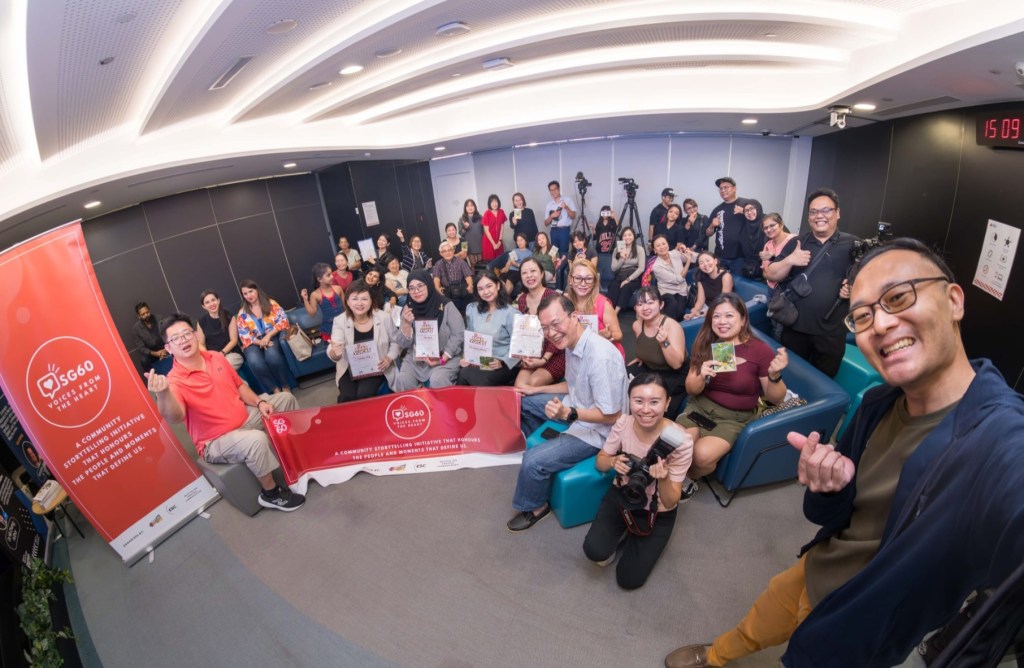
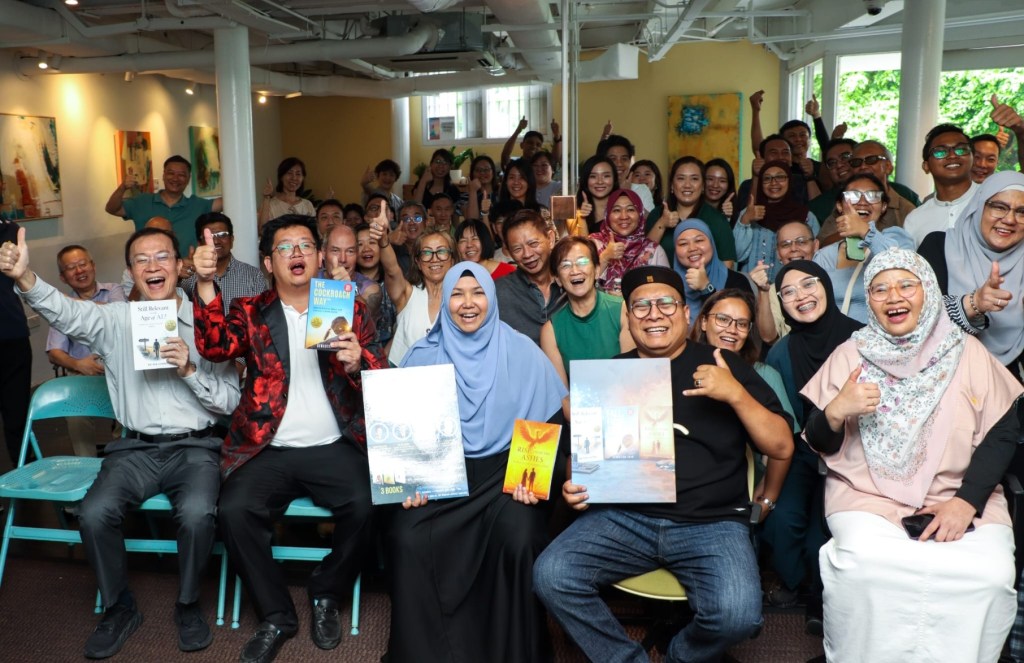
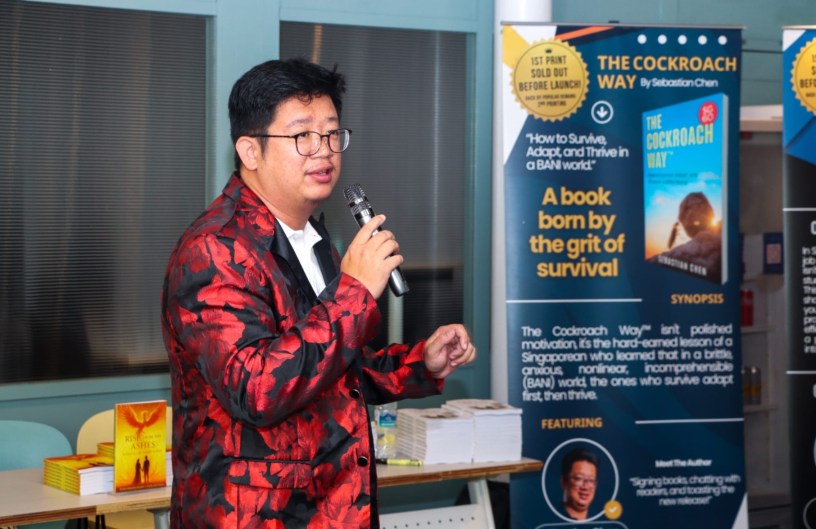
These experiences became the catalyst for his work today. He co-founded SG60 Voices From the Heart with HR and business consultant Dr Nik Chong, creating a platform for Singaporeans to share stories of resilience and growth. He also authored The Cockroach Way: How to Survive, Adapt, and Thrive in a BANI World, drawing from his journey of endurance and adaptation. Through both his platform and writing, his message is clear: we heal and connect by sharing our stories from the heart.
For many years you felt “behind”. What did “being behind” actually feel like on a day-to-day level?
To me, feeling behind meant constantly feeling like I was losing out. Even from a young age, I was always a step behind my peers. For example, I was in the NA stream in secondary school while others progressed faster, which already put me a year behind. If I went through ITE, that added another two years, and by the time I completed my degree, I could be graduating at 28 or even 30.
On top of that, there was National Service, which added another two years. So no matter how hard I tried to catch up, it always felt like others were ahead. It creates a constant sense of lagging behind in life.
Becoming a caregiver at 19 for your brother with bipolar disorder and later schizophrenia is a responsibility most people are not prepared for. How did that experience change you as a person?
It was an experience I never chose, and it came with many stages of grief and unhappiness. At that age, you are supposed to be exploring life and pursuing opportunities, but instead, I had to take on emotional responsibilities for my brother.
He would often seek affirmation, advice, and support. It forced me to grow up much faster than others. At the same time, it came with a lot of anger and sadness, because it was not a path I had expected.
Looking back, what do you wish more people understood about caregiving?
Caregiving is hard because it is something you are often unprepared for. It is not just about caring for another person, but also about caring for yourself. You have to manage expectations, both your own and others’, and handle how people perceive the situation.
It is stressful and involves managing multiple responsibilities and emotions at once, including your own well-being.
Nobody wants to be a cockroach. People prefer to be associated with stronger or more admired symbols. But the reality is that in life, we do not always get to choose our circumstances.
Your book titled The Cockroach Way is unconventional and even uncomfortable to some. Why did you choose the cockroach as your symbol of resilience?
Nobody wants to be a cockroach. People prefer to be associated with stronger or more admired symbols. But the reality is that in life, we do not always get to choose our circumstances. Sometimes, you are placed at the lowest point, and all you can do is keep going.
The cockroach represents survival. It is about staying alive, staying sane, and moving forward step by step, even when things are difficult. There is no permanent bottom. If you keep going, you will eventually rise again.
Can you share some of the key ideas from your book and how it can help others in similar situations?
One key idea is “survive first, shine later”. Sometimes, life is about getting through things step by step, day by day, or even hour by hour. Instead of overwhelming yourself, focus on surviving the present moment.
Once you are stable, you can start to grow and improve. It also emphasises self-compassion, keeping expectations realistic, and not being overly harsh on yourself. Many people struggle because they demand too much of themselves too quickly. Learning to pace yourself is key.
You co-founded SG60 Voices from the Heart to share real stories. Why do you think storytelling is so powerful in healing and connection?
Even though we live in a highly connected digital world, genuine heart-to-heart conversations are still rare. When someone shares their struggles, others who are going through similar situations can relate and feel less alone.
Knowing that someone else understands, or has even overcome similar challenges, can be very powerful. In many ways, storytelling creates an informal support network where people can connect, learn, and heal together.
If you could speak to your late brother, what would you tell him?
I would tell him that we miss him and that we love him. I miss the simple moments we shared, like having coffee or going out together. There is not much we can change now, but I am grateful that when he was alive, we treated him as normally as possible and gave him meaningful experiences. In that sense, there are fewer regrets.
What is your vision for Singapore in the next five years?
Singapore has done well in terms of systems and treatment, but I believe we can improve on the human side. We can become kinder and more compassionate towards one another, especially in how we support people emotionally.
If you could have a superpower for one day, what would it be and why?
I would like the ability to help people be kinder to themselves. We often take care of others but neglect our own well-being. As Singaporeans, and more broadly as Asians, we tend to be very hard on ourselves. Learning to treat ourselves with kindness would make a big difference.
Connect with Sebastian: LinkedIn.
You can purchase The Cockroach Way: How to Survive, Adapt, and Thrive in a BANI World here.