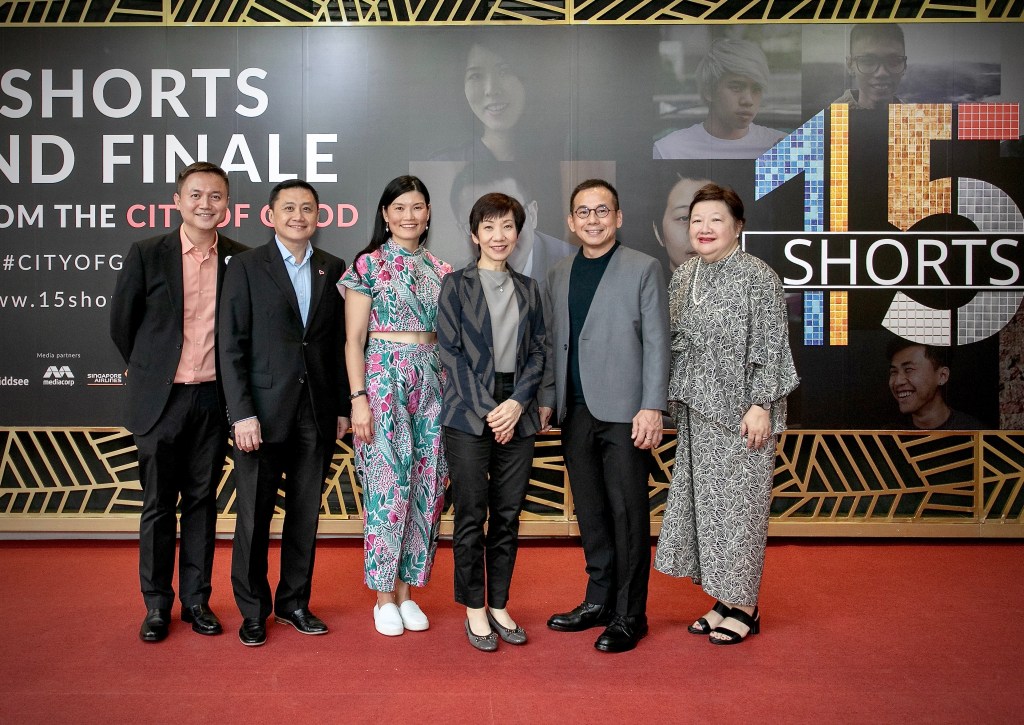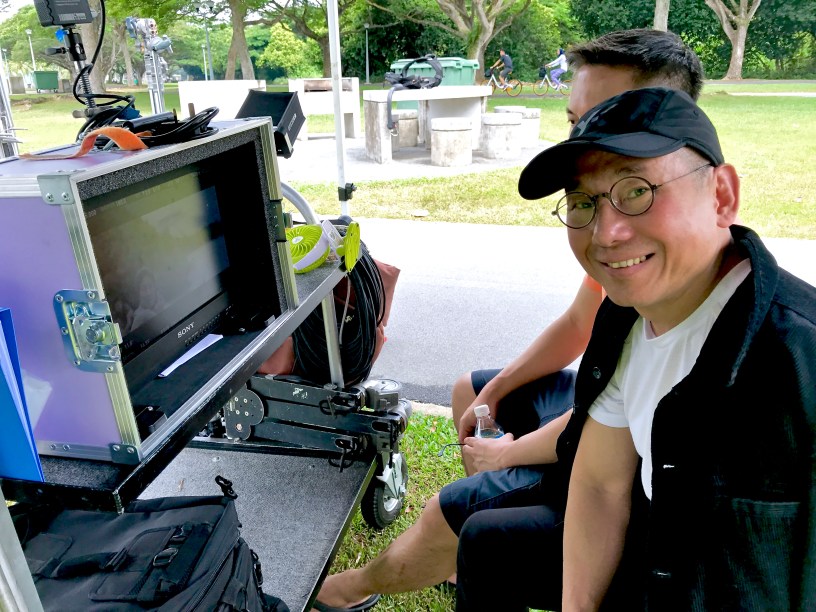
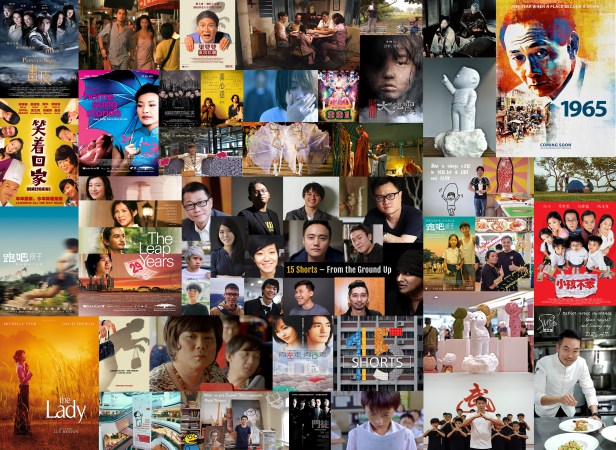
Daniel Yun is a veteran Singaporean film producer and media professional whose career spans advertising, broadcasting and filmmaking. After holding senior positions at Singapore Broadcasting Corporation and Television Corporation of Singapore, he founded MediaCorp Raintree Pictures in 1998. Under his leadership, the company released more than 30 films, including I Not Stupid, 881, The Maid, The Eye and Painted Skin, helping to develop Singapore’s film industry and foster international collaborations.
In 2010, Daniel established Homerun Pictures, producing films such as Homecoming and My Dog Dou Dou. He later co-produced, co-wrote and co-directed 1965, a film exploring Singapore’s journey towards independence. In 2016, he founded Blue3 Asia to develop content across traditional and digital platforms, including the 15 Short Films initiative. Throughout his career, Daniel has championed meaningful storytelling and opportunities for emerging filmmakers.
You began your career in advertising and broadcasting before entering film. How did those early experiences shape the way you tell stories today?
My journey actually began with teaching tuition and art classes while I was still young. Coming from a financially disadvantaged childhood, I was determined to work hard and build a career.
After National Service, where I performed well and became an officer, I joined a small advertising agency. I started with basic responsibilities before moving to an international agency, where I assisted the creative director.
Advertising taught me resourcefulness and the relationship between creativity and commerce. I learnt that even the best ideas require conviction, persistence and the ability to communicate their value.
Those lessons became invaluable when I entered filmmaking. At a time when many doubted Singapore could sustain a film industry, I believed we had to keep pushing boundaries. Looking back, one of my greatest contributions was helping create opportunities for Singapore filmmakers to develop and reach wider audiences.
What were the biggest challenges when you started Raintree Pictures and helped build Singapore’s film industry?
One challenge was convincing people that Singapore films could succeed commercially. With Liang Po Po: The Movie, I recognised the potential of bringing Jack Neo’s popular television character to the big screen. We already had an established audience, but many questioned whether the concept could work as a feature film.
My advertising background helped me secure commercial partnerships with brands such as Singtel and McDonald’s. I also understood the importance of publicity and making the film visible.
I didn’t want Raintree to become associated with only one filmmaker or genre. We subsequently collaborated with Hong Kong director Derek Yee on The Truth About Jane and Sam, starring Fann Wong.
Another major milestone was I Not Stupid. Beyond its box-office success, the film challenged conventional attitudes towards academic achievement and resonated with students and families. It also reached audiences overseas, demonstrating that Singapore stories could travel beyond our borders.
We faced resistance along the way, including doubts about whether local directors were capable of delivering successful productions. However, I strongly believed in protecting their creative independence.
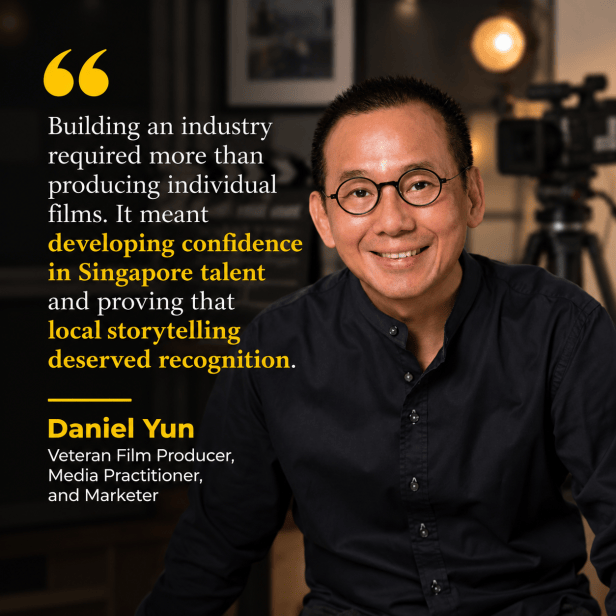
Building an industry required more than producing individual films. It meant developing confidence in Singapore talent and proving that local storytelling deserved recognition.
In your experience, what separates films that succeed at the box office from those that don’t?
Nobody can predict a film’s commercial success with certainty. Even established filmmakers experience failures. Sequels, familiar formulas and popular franchises may improve the chances of success, but they offer no guarantees. Sometimes an entirely original film becomes an unexpected hit.
For me, marketing is just as important as production. Many Singapore films struggle because audiences barely know they exist before their release. Filmmakers must understand how to create awareness and work with cinema operators.
When promoting The Maid, I placed a frightening life-sized standee in a cinema toilet. It startled visitors and attracted media attention. Although the cinema operator wanted it removed, the publicity demonstrated how unconventional marketing could generate interest.
That approach reflects my advertising background. A film needs both creative quality and a strategy for reaching audiences. You cannot expect people to watch something they don’t know exists.
Your recent work includes socially driven projects such as A Singapore Dementia Story. What draws you to stories that reflect real human struggles?
After 1965, which did not perform well commercially, I began exploring storytelling beyond feature films. Short films offered an opportunity to address meaningful social issues without the same financial pressures.
I worked on 15 Shorts, bringing together established and emerging Singapore directors to tell stories with social significance.
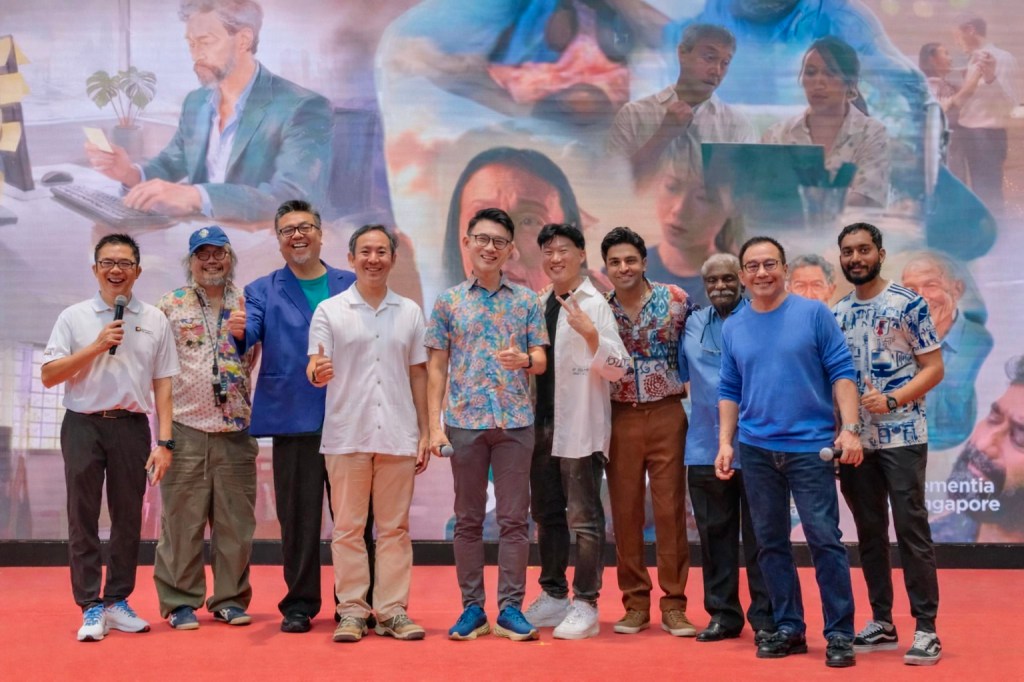
More recently, I collaborated with Dementia Singapore on A Singapore Dementia Story. I wanted to challenge the conventional portrayal of dementia as something exclusively tragic or depressing.
We encouraged filmmakers to explore different genres, including comedy, horror and drama, while keeping the stories relatable to Singaporeans. The project attracted talented artistes and first-time directors who were willing to contribute because they believed in its purpose.
The films also inspired community screenings and creative initiatives, including an art exhibition and auction supporting Dementia Singapore.
What excites me is that socially meaningful films can still entertain audiences. They can make people laugh, reflect and develop greater empathy. Short films are also more economical and can reach audiences through screenings, community events and digital platforms.
What are some hard truths about the film industry that aspiring filmmakers are often unprepared for?
One difficult reality is that you can spend years making a feature film only for it to disappear without attracting an audience. Many filmmakers concentrate entirely on the creative process without understanding distribution, marketing or cinema exhibition.
In Singapore, filmmakers cannot afford to ignore these responsibilities. You need to understand who your audience is, how to reach them and how to work with exhibitors such as Golden Village and Shaw.
Artistic ambition is important, but filmmakers must also consider budgets and the responsibilities they have towards investors. If you are producing a highly experimental film for a limited audience, the budget should reflect that reality.
Making a film is only part of the process. Ensuring that people know about it and have opportunities to watch it is equally important.
How do you define success today?
I used to define success primarily through box-office performance. Today, I define it through impact. A successful film is one that finds its intended audience and makes a meaningful connection.
That audience doesn’t necessarily have to number in the millions. What matters is whether the film reaches people who appreciate its story. With streaming services, YouTube and social media, filmmakers now have more ways to distribute their work.
Different films may suit different platforms. Some work best theatrically, while others can find a larger audience through streaming. Ultimately, success comes from understanding your audience and creating something that resonates with them.
What is your vision for Singapore in the next five years?
I hope to see a new generation of Singapore filmmakers create stories that reach audiences around the world. Digital platforms have removed many geographical barriers. A story produced in Singapore can now reach someone in Tokyo, Alaska or anywhere else almost instantly.
The challenge is creating compelling content that represents Singaporeans authentically while appealing to international audiences.
I also hope Singaporeans become more confident in our own films. There is still a tendency to underestimate local productions or express surprise when they succeed. I would like that mindset to change so that Singapore stories are recognised for their creativity and quality rather than judged by where they originate.
If you could have a superpower for one day, what would it be and why?
I would use it to create an entire feature film in a single day. It would have a compelling story, strong structure and an engaging genre capable of connecting with audiences worldwide.
Most importantly, I would want the film to portray Singaporeans as authentic, interesting and responsible individuals.
Through that story, I hope audiences around the world would gain a deeper understanding and appreciation of Singapore and its people.
Connect with Daniel: Facebook and Instagram.