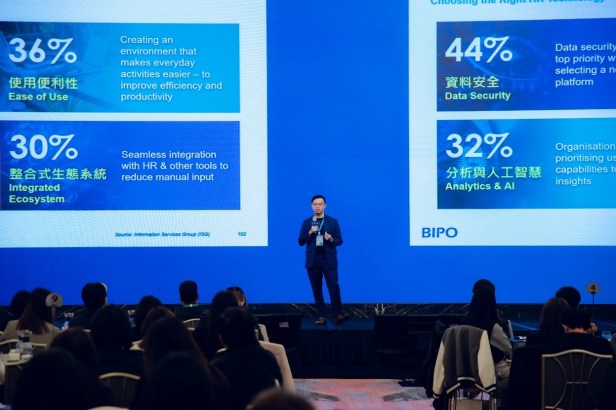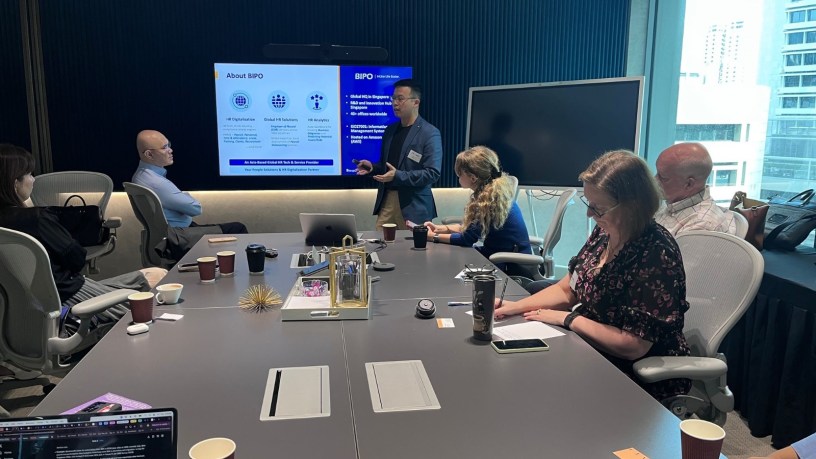
As technology reshapes the workplace at an unprecedented pace, HR is evolving from a support function into a strategic driver of business success. With extensive experience spanning HR consulting, regional in-house leadership and HR technology transformation, Shirman has spent nearly two decades helping organisations across Asia navigate workforce strategy, rewards and digital transformation.
Today, he is passionate about helping businesses embrace AI, leverage data-driven insights and create workplaces where both organisations and employees can thrive. In this interview, Shirman shares his perspectives on the future of work, workforce transformation and the human skills that will remain indispensable in an AI-driven world.
Can you share your career journey and how you became involved in HR transformation and workforce strategy?
My career has been a combination of HR consulting, in-house HR leadership and, more recently, HR technology and transformation.
I started in HR advisory, specialising in rewards and consulting projects with both boutique and global firms across Asia Pacific. I later moved into a regional in-house rewards role before returning to consulting, where I worked on workforce strategy, rewards strategy and organisational design across the region.
Today, my focus is on HR transformation, helping organisations embrace digital solutions and improve efficiency through technology.
What are the biggest HR challenges businesses in Singapore and across Asia are facing today?
AI has become one of the biggest topics in HR. Rather than replacing people entirely, AI is reshaping jobs and changing the skills employees need. Upskilling is no longer optional but essential for anyone who wants to stay relevant.
Another major challenge is improving productivity and organisational efficiency. While many companies are adopting AI tools, the real goal should be transforming the organisation in a sustainable way rather than making small process improvements. Businesses need to leverage technology to grow smarter, faster and more efficiently.
What skills do employees need to remain relevant in an AI-driven economy?
When I talk about skills, I am not referring only to technical abilities such as coding. AI can already generate code, so equally important are the soft skills required to use technology effectively.
People need to learn how to work with AI tools, ask better questions and apply the results meaningfully. The quality of the prompt often determines the quality of the outcome.
Another critical skill is leading technology adoption within organisations. Successfully introducing AI requires planning, communication and change management. These capabilities will become increasingly valuable in the future.
What separates companies with strong workforce cultures from those that struggle with employee engagement?
The first step is understanding the root causes of employee engagement through data and analytics.
Many organisations measure engagement scores, but the real value lies in identifying why those scores change and addressing the underlying issues. Today, AI tools make it much easier to analyse workforce data and uncover meaningful insights.
Technology can also enhance the employee experience throughout the entire lifecycle, from onboarding and learning to leave applications, claims and employee benefits. Organisations that use these tools well are better equipped to improve engagement and care for their people.
What metrics should business owners pay attention to if they want to build a stronger workforce?
Metrics such as employee attrition, retention, productivity, engagement scores and people costs are all important, but they should be viewed as analytical tools rather than targets alone.
For example, a 10% attrition rate does not tell the full story. Business owners need to understand who is leaving and whether they are losing high-performing talent or underperforming employees.
Ultimately, workforce analytics should help organisations make better decisions rather than simply measure performance. The key lies in interpreting the data correctly and using it to improve the business.
Where do you find the greatest joy in your career and life today?
I have stayed in HR for nearly 18 years because I genuinely enjoy helping organisations evolve and become more effective.
My career has evolved alongside the market, moving from rewards consulting into HR technology and transformation. Those changes have kept my work fresh and allowed me to continue learning.
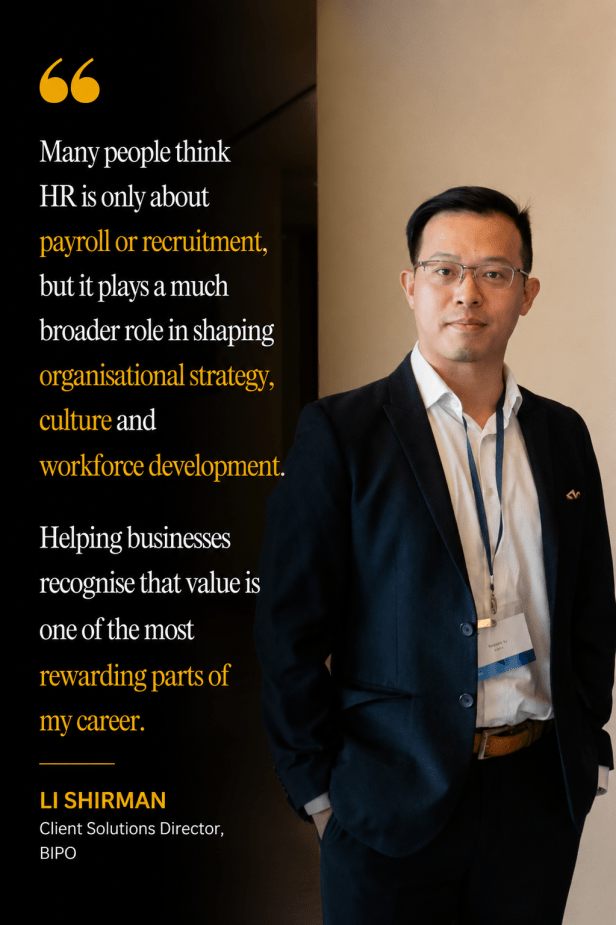
I also enjoy changing perceptions of HR. Many people think HR is only about payroll or recruitment, but it plays a much broader role in shaping organisational strategy, culture and workforce development. Helping businesses recognise that value is one of the most rewarding parts of my career.
I came from Hong Kong and have been living and working in Singapore for the past six years. During this time, Singapore has given me countless opportunities to grow both professionally and personally, and I increasingly consider it my home.
Beyond my corporate career, I hope to contribute by helping organisations build future-ready workforces, sharing knowledge with the HR community and supporting local football talent development through my volunteer scouting work. In my own small way, I hope to give back to the community that has given me so much.
What is your vision for Singapore in the next five years?
Technology will continue to reshape the way we work, and the pace of innovation will only accelerate.
I hope individuals and organisations will embrace technology while continuing to strengthen soft skills, people skills and a lifelong learning mindset. By combining technology with continuous learning, Singapore can remain competitive and well prepared for the future.
If you could have a superpower for one day, what would it be and why?
I would choose the ability to read people’s minds so I could better understand their thoughts and perspectives.
No matter how advanced technology becomes, everyone has their own way of thinking, and not everything is communicated openly. Being able to understand others more deeply would improve communication, strengthen relationships and reduce misunderstandings.
Of course, I might also hear things I would rather not know, but it would certainly be an interesting experience.
Connect with Shirman: LinkedIn.