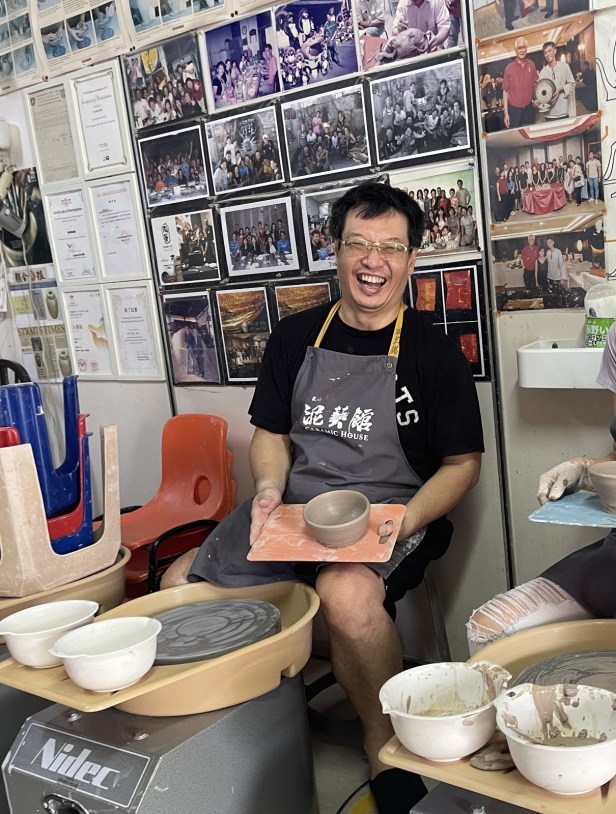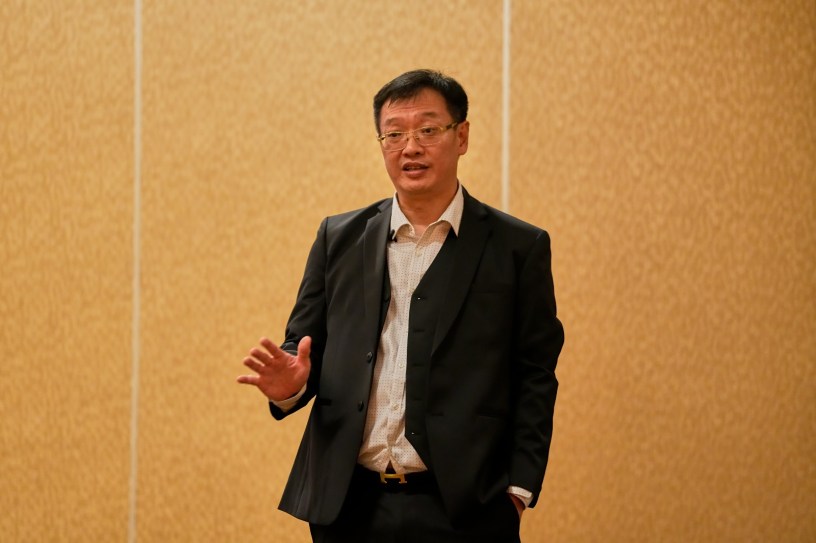
For nearly three decades, Kelvin has been at the forefront of the coaching profession, helping thousands of people navigate personal transformation, leadership and self-discovery. In 2005, he became Southeast Asia’s first International Coach Federation (ICF) Master Certified Coach, a milestone that helped establish professional coaching as a powerful force for human development across the region.
Having coached more than 20,000 individuals and developed the TruSelf™ methodology, Kelvin believes that the greatest challenges people face are often not external but internal. His work focuses on helping individuals understand the hidden patterns that shape their lives and empowering them to consciously create a more meaningful future.
You began coaching in 1997 and became Southeast Asia’s first ICF Master Certified Coach in 2005. What did that achievement mean to you personally?
On one level, it was a professional credential. On a deeper level, it signalled that Southeast Asia could develop its own voice in human transformation rather than relying solely on Western perspectives.
When I first encountered coaching in the United States, I saw people overcome long-standing challenges, release emotional baggage and reconnect with parts of themselves they thought were lost. That experience deepened a question I had long been exploring: how can people free themselves from the patterns they inherit and eventually mistake for their identity?
Becoming Southeast Asia’s first ICF Master Certified Coach was therefore more than a personal achievement. It marked the arrival of this work in our region, adapted to our own culture and values. One of my greatest satisfactions today is seeing many of those I trained become leaders and masters themselves. That is how a movement grows.
What inspired you to create the TruSelf™ methodology, and how is it different from traditional personality assessments and profiling tools?
TruSelf™ was created because I saw limitations in many traditional assessment tools. Most personality profiles describe who a person appears to be and provide useful labels, but they rarely explain how someone behaves when faced with real-life challenges.
Instead of asking, “What type of person are you?”, TruSelf™ asks, “What happens when life applies pressure, and how do you respond?” It focuses on patterns rather than labels, examining how people process emotions, handle uncertainty, avoid pain and translate inner experiences into outward behaviour.
I believe human beings are not fixed identities but dynamic systems shaped by multiple forces. When people understand those forces, they gain the ability to consciously evolve and reshape themselves.
Having coached more than 20,000 people, what patterns have you observed about the human condition that most people never realise about themselves?
One of the biggest observations I have made is that most people are not living from their true personality but from their adaptations.
Family, culture, education and life experiences shape us, and over time many people mistake these adaptations for who they really are. They say, “This is just who I am,” when it may simply be how they learnt to survive, gain acceptance or avoid pain.
The deeper tragedy is that people often mistake their limitations for their identity. Once they recognise the patterns driving their choices, they begin to see where fear, conditioning and habit are influencing them. That awareness creates freedom because they realise they still have the power to choose how they respond to life.
Much of the conversation around AI focuses on productivity and skills. Why do you believe the bigger challenge is actually identity?
AI will undoubtedly transform productivity, jobs and industries. However, I believe the deeper challenge is identity.
For many people, work provides more than income. It offers structure, status, belonging and a sense of purpose. As AI reshapes jobs and responsibilities, people may lose not only economic relevance but also the identity they have built around their work.
Learning how to use AI is important, but it is not enough. If a person lacks clarity, AI will simply amplify that lack of clarity. The more important question is not, “How do I use AI?” but, “Who must I become now that intelligence has become accessible?”
The future belongs to those who can continually reinvent themselves. The real challenge is not upgrading skills, but upgrading the person behind the skills.
In 2023, you received the Sri Chinmoy U Thant Peace Award, an honour previously bestowed upon Nelson Mandela, Mother Teresa and the Dalai Lama. What did that recognition mean to you?
Receiving the award was a tremendous honour and something I never expected.
While the public recognition was meaningful, the personal significance centred on my father. At the time, he was battling cancer, and I made special arrangements to bring him to the ceremony in Bali.
As a son raised with strong values of filial piety, it meant a great deal to show my parents the impact of the work I had dedicated my life to. In many ways, I felt the recognition belonged as much to them as it did to me.
I have never been motivated primarily by awards. What matters most is whether the work helps reduce suffering, restore dignity and create possibilities for others. I see the award not as a trophy, but as a responsibility to continue carrying that work forward.
How do you define success today beyond financial achievements?
Financial success is important because it creates resources and opportunities, but it does not define success on its own.
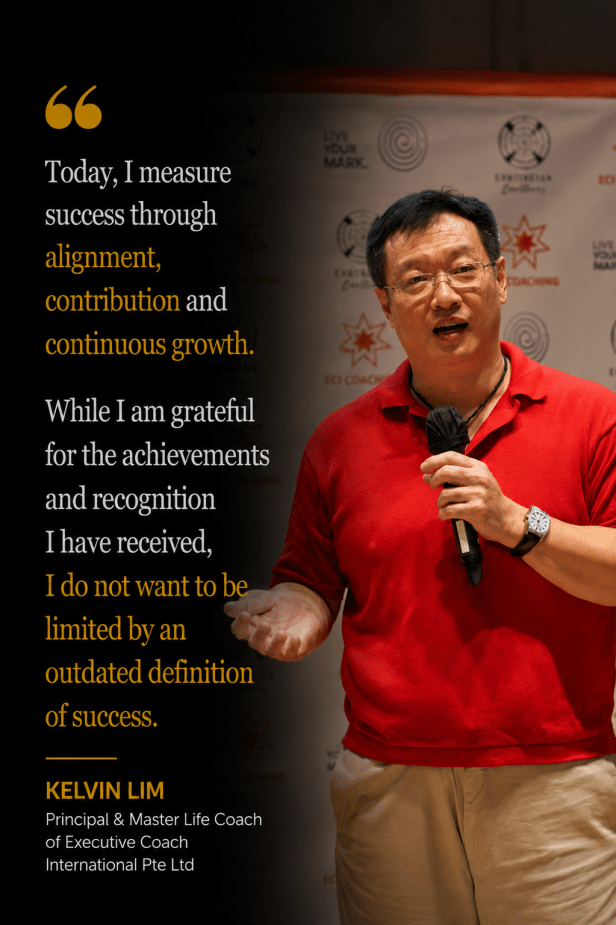
Today, I measure success through alignment, contribution and continuous growth. While I am grateful for the achievements and recognition I have received, I do not want to be limited by an outdated definition of success. I want to keep evolving, learning and contributing.
For me, success is measured by impact. Can the work reach more people? Can it help others grow and create positive change? Success is not simply what I accumulate, but what becomes possible for others because of what I have built, taught and shared.
What is your vision for Singapore in the next five years?
Singapore has mastered external development. The next challenge is internal development.
We have built world-class infrastructure, institutions and systems. However, emerging challenges such as AI, ageing populations, social pressures and rapid change will test something deeper: the resilience and wellbeing of our people.
My hope is that Singapore becomes not only a smart nation, but also a deeply self-aware nation. We must develop people who can navigate uncertainty, manage complexity and remain grounded in purpose and values.
The next Singapore miracle should not be purely economic. It should be human. If we can combine external excellence with internal growth, we can become a model for the world once again.
If you could have a superpower for one day, what would it be and why?
I would choose the ability to help people see their own patterns clearly, without judgement or shame.
Much of our suffering comes from repeating unconscious patterns while blaming circumstances or other people. When people recognise these patterns, they can break old cycles, make better decisions and discover strengths they never realised they had.
That is the superpower I would choose: helping people see clearly so they can consciously choose a different path. Most people do not need a completely new life; they simply need a clearer understanding of the one they already have.
Connect with Kelvin: LiveYourMark, LinkedIn and Instagram.
Event: TruSelf™ Summit 2026
Date: 27 & 28 June 2026 (Saturday and Sunday)
Venue: National Design Centre, Singapore
Format: Two-day immersive programme
Lead: Kelvin Lim, ICF MCC
Featured: Singapore’s most personalised self-awareness assessment, unique to every participant
More information: liveyourmark.com/truself-summit