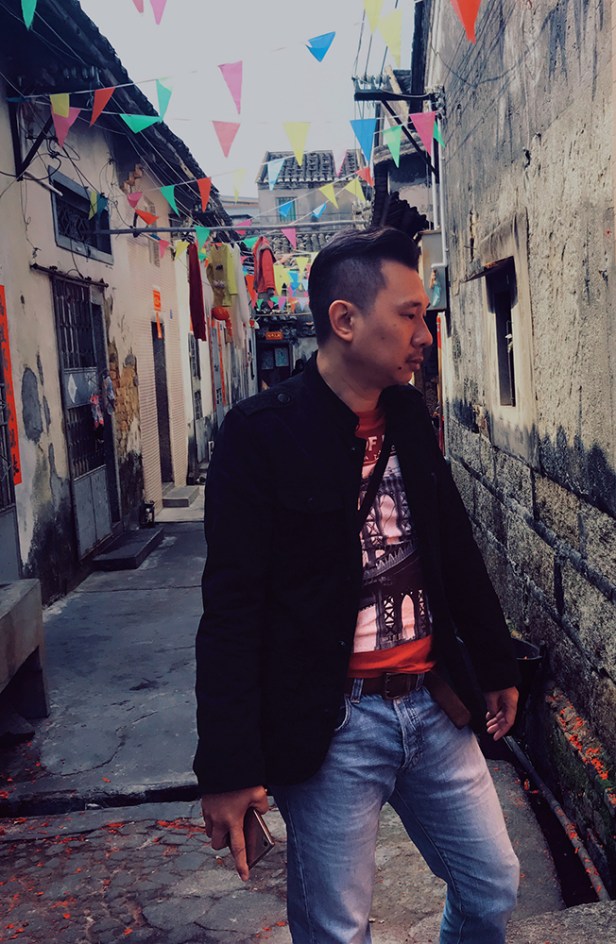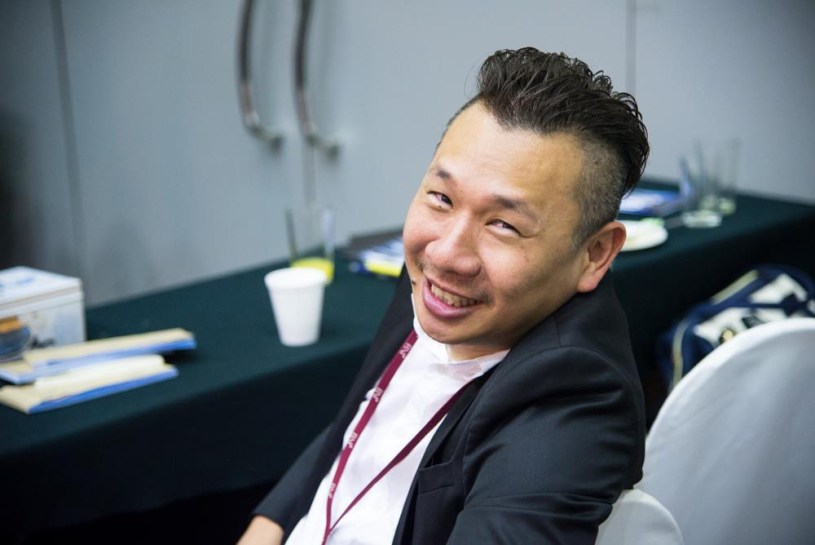
Meet Richard, a seasoned creative professional with over 30 years of experience spanning print, multimedia, live events, and strategic consulting. From hands-on execution to high-level advisory, his journey reflects a deep understanding of both the craft and the business of creativity.
Today, Richard leverages his extensive industry experience to guide organisations in branding, marketing, and growth strategies. With a strong belief in practicality, adaptability, and continuous evolution, he is committed to helping businesses navigate change while building sustainable and meaningful impact.
You have spent over 30 years in the creative industry, from print to live events. What motivated your transition from execution to strategic consulting?
To be honest, I have always had a passion for creating, which is what drew me into the creative industry in the first place. Over time, I realised that if you want to lead and advise effectively, you must first understand the groundwork. I started from execution through design, multimedia, and events and explored various mediums.
For instance, my team worked on the water screen projection during the National Day celebrations, and I have managed concerts and even launched a casino start-up in Phnom Penh. These experiences gave me a strong foundation. As I grew, I began to see how I could better advise clients.
Without understanding how things are executed, it is very difficult to consult effectively. My long-term aspiration has always been to move into an advisory role by helping companies move forward strategically.
You attempted your first marketing business early in your career, which eventually closed. What lessons from that experience still influence how you advise clients today?
The biggest lesson is to stay lean. You must be productive, but also keep your operations efficient. I am also trained in sustainability, so lean management is something I strongly practise. Today, my team is intentionally small, which helps us manage costs effectively.
In my first business, overheads were overwhelming, and external factors like the SARS crisis significantly affected us. Losing a major client during that period taught me the importance of diversification and resilience. I also realised the need to empower your team with ownership rather than controlling everything.
These lessons eventually led me to transform my business model into a retainer-based approach rather than relying solely on project work.
In your view, what is the biggest mistake companies make when it comes to branding and marketing?
The biggest mistake is unrealistic expectations. Many SMEs treat branding and marketing as a one-time effort, especially when tied to government grants with fixed timelines. However, branding and marketing should never have an endpoint as it is an ongoing process.
Once you stop, your visibility fades. Another misconception is that marketing is simply about spending money. Without a clear strategy or understanding of return on investment, resources can easily be wasted. Effective marketing is about positioning, consistency, and delivering measurable outcomes over time.
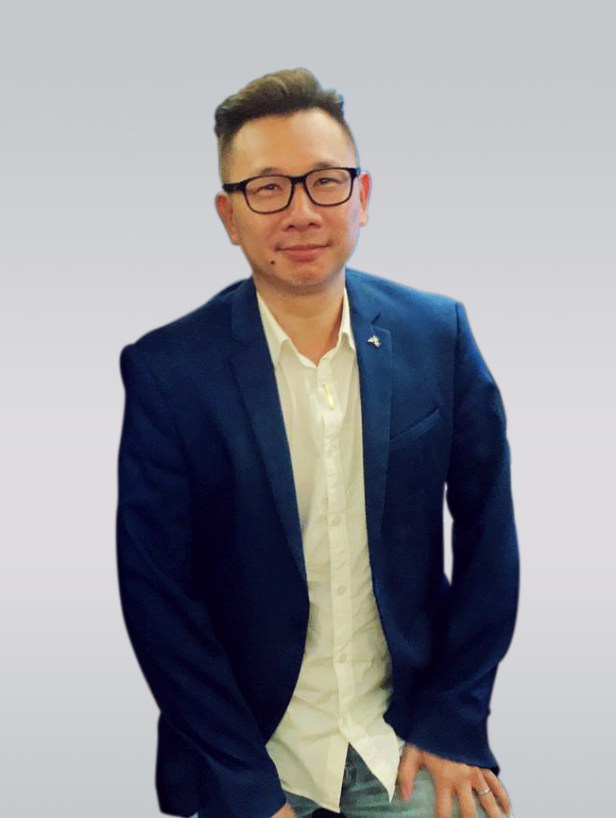
One principle I emphasise is understanding both demographics and psychographics. Knowing your audience’s characteristics is important, but understanding how they think is even more powerful.
You were headhunted to design and lead a diploma programme. What do you think the education system often misses when preparing students for the real world?
What is often lacking is real-world exposure. Students tend to have idealistic expectations about their careers. I often tell them they must decide whether they want to be artists or designers. Artists may gain recognition much later, sometimes only after their time, but designers must be practical and deliver value in the present.
Many students struggle when they enter the workforce because they are not prepared for the groundwork required. Their expectations do not match reality. I believe educational institutions should involve more industry practitioners who bring current, real-world insights, rather than relying solely on academic perspectives.
You have conducted workshops for people with disabilities, helping them secure meaningful employment. What did that experience teach you about talent and opportunity?
That experience showed me that talent exists everywhere. It simply needs the right opportunity. Many of these individuals are highly capable but lack access. I have seen participants produce excellent work despite physical limitations. It reinforced my belief that while we may not all start equally, everyone deserves a chance to contribute and be part of society.
As educators and professionals, we have a responsibility to help unlock that potential.
What is the gift or legacy that you would like to pass on to the next generation?
I would not describe myself as highly successful, but I hope to pass on practical wisdom. One principle I emphasise is understanding both demographics and psychographics. Knowing your audience’s characteristics is important, but understanding how they think is even more powerful.
I also apply strategic thinking principles, such as those found in The Art of War, to business. Before executing anything, it is essential to understand the “why, who, what, when, and where” before moving on to the “how.” Without this clarity, no project can move forward effectively.
What is your vision for Singapore in the next five years?
Singapore will continue to grow as a strong and stable nation, although challenges such as rising costs and global pressures will persist. Despite limited resources, Singapore has consistently demonstrated resilience and adaptability. I believe the country will remain prosperous, supported by strong governance and openness to global talent.
While demographic shifts may occur, the integration of diverse perspectives can strengthen society and drive further growth.
If you could have a superpower for one day, what would it be and why?
I would choose the ability to communicate seamlessly across all languages and cultures. In my experience working across different countries, language barriers often lead to misunderstandings.
Having a universal way to communicate would help bring people together. In many ways, creativity already serves this purpose, as it can transcend language through visuals and expression.
Connect with Richard: Dalmatian, Facebook and LinkedIn.
Richard is a member of Rainmaker, a revolutionary movement that rallies like-minded people together based on the values of Love, Authenticity, Respect, Kindness and Youthfulness (LARKY).