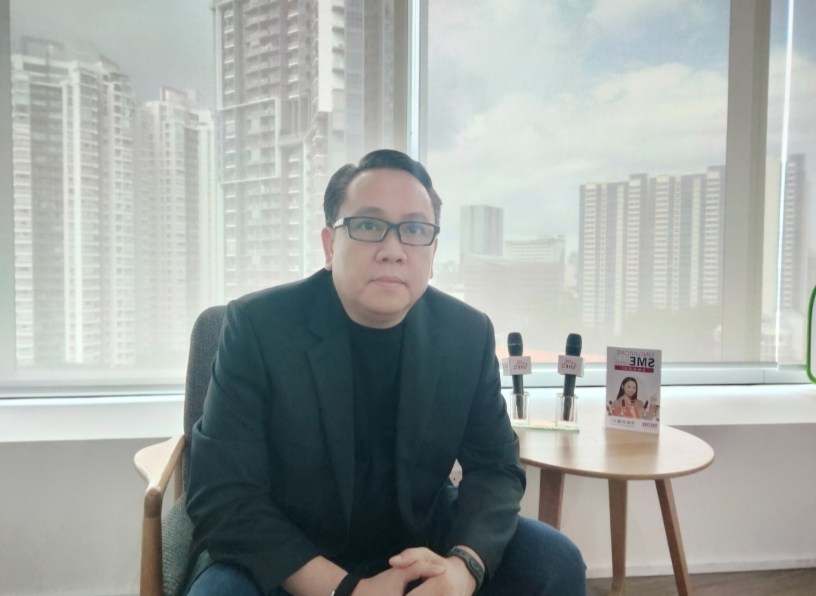
Meet Simon. With over two decades of experience spanning MNCs and SMEs, he brings a unique blend of strategic insight and practical execution to the world of business transformation. He has worked on the frontlines of digital adoption, led national initiatives like SGQR, and coached thousands of SME owners across Singapore.
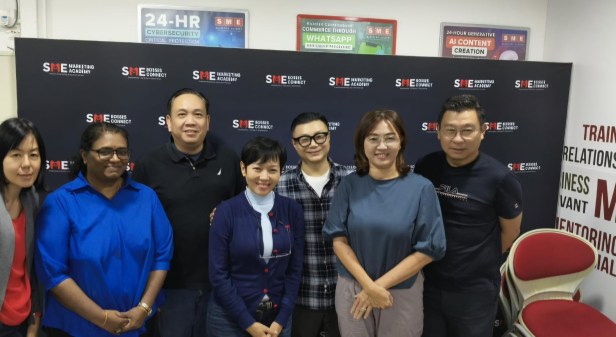
As the founder of Bosses Connect and SME Marketing Academy, Simon’s mission is clear – to empower business owners through technology and build a collaborative ecosystem so SMEs can thrive.
You have spent over 20 years working across MNCs and SMEs. Looking back, what key experiences shaped your passion for empowering businesses to grow and transform?
I have seen both worlds – how structured and data-driven MNCs are, and how resource-constrained SMEs can be. Working on the ground with SMEs, rather than just advising from the boardroom, gave me insight into their real challenges. Many are trapped by outdated skills, have limited exposure, and fear digital transformation.
That is why I believe in upskilling and reskilling. SMEs need to understand not just the “what” but the “why” and “how” of transformation. It must be hands-on and practical.
You played a leading role in the SGQR cashless payment initiative, supporting over 10,000 SMEs. What were some of the biggest challenges SMEs faced in adopting cashless payments, and how did you overcome them?
Back in 2017, cashless payments were still foreign to many, especially SMEs. Alipay and WeChat Pay were just gaining ground in China.
SMEs in Singapore were fearful of the complexity of fund transfers and potential additional costs. Through education, training, and live demos, we showed retailers, F&B, beauty and spa businesses how cashless payment works in real life.
With strong support from banks, government agencies, and industry players, adoption accelerated. Today, cashless payment is the norm, proving that SMEs will adopt when provided practical guidance.
What mistakes do you see SMEs make when trying to scale?
Cash flow planning is a common issue. SMEs must be disciplined in managing financial risk and understanding the market size. Many only consider Singapore, but when they go regional or global, they must reassess their resources. Poor planning in this area can derail growth.
How do you help business owners cut through digital noise and focus on strategies that drive sustainable growth?
I always return to the fundamentals, such as lead generation, engagement, and conversion. I simplify digital transformation for SMEs by helping them focus on familiar platforms instead of chasing every new trend.
We emphasise measurable results through analytics and automation. If a strategy doesn’t generate leads, engage customers, or convert sales, it’s just noise, like much of what we see with AI hype today.
I used to underestimate the risk of staying too comfortable, such as not upgrading my skills or questioning past methods. These are silent risks.
Can you share more about SME Bosses Connect and how this platform helps business owners discuss challenges and discover partnerships?
Over the years, we have trained thousands of SME owners across platforms like TikTok, Xiaohongshu, GenAI, and automation. With over 80% of our learners being SME owners, we formed the Bosses Connect community to keep them engaged.
It’s a space for partnerships, collaboration, and connection. We also link them with our regional partners through platforms like ROBO. That’s how Bosses Connect was created and how it continues to grow.
SME Marketing Academy offers training in cutting edge technology, such as vibe coding. Can you share with us what it is?
Most SME owners understand prompt engineering. But when asked how generative AI helps their business, many don’t know how besides using ChatGPT like Google.
Vibe coding is the next frontier. Traditionally, you would hire a developer to build a website or mobile app.
Now, using vibe coding and AI, you can do this yourself in under an hour. That is why we encourage SMEs to learn vibe coding. It is the next level of transformation and will revolutionise their operations.
If you could give one piece of advice to SME owners navigating today’s uncertain environment, what would it be?
Invest in skills. SMEs often buy tools and solutions but these are useless if they don’t know how to deploy them. Build the foundational knowledge to use those tools effectively. Don’t wait for uncertainty. Develop the capability to handle it by upskilling consistently.
What is a risk you ignored that became a defining moment in your journey?
I used to underestimate the risk of staying too comfortable, such as not upgrading my skills or questioning past methods. These are silent risks. Now, I push myself to upskill constantly and adapt to the fast changes, especially with the rise of AI.
What’s your vision for Singapore in the next five years?
I hope to see more AI adoption among the SME community. Many still don’t understand automation or its benefits. My vision is a nation of SMEs that save time and scale faster through smart automation. But first, they need to upskill to understand and use these tools properly.
If you could have a superpower for one day, what would it be and why?
I would give business owners clarity, helping them know what matters, what to ignore, and what to focus on next. Many SMEs adopt digital tools without knowing why. They do it just because competitors do. We need to help them see the “why” so their transformation is meaningful.
Connect with Simon: SMEMarketing and TikTok.
