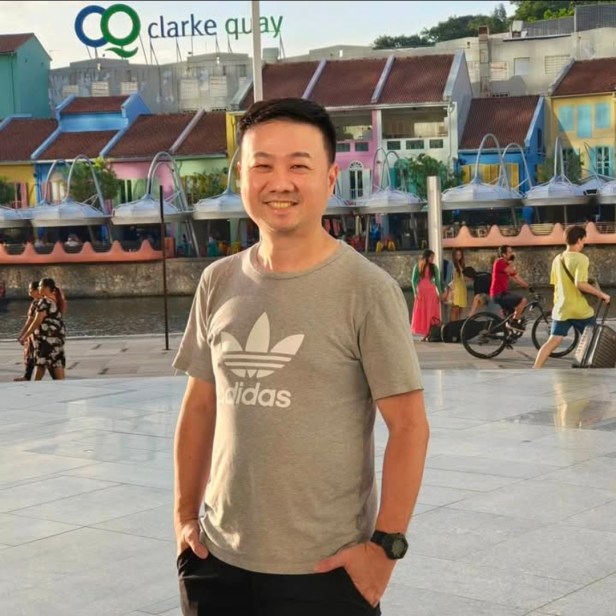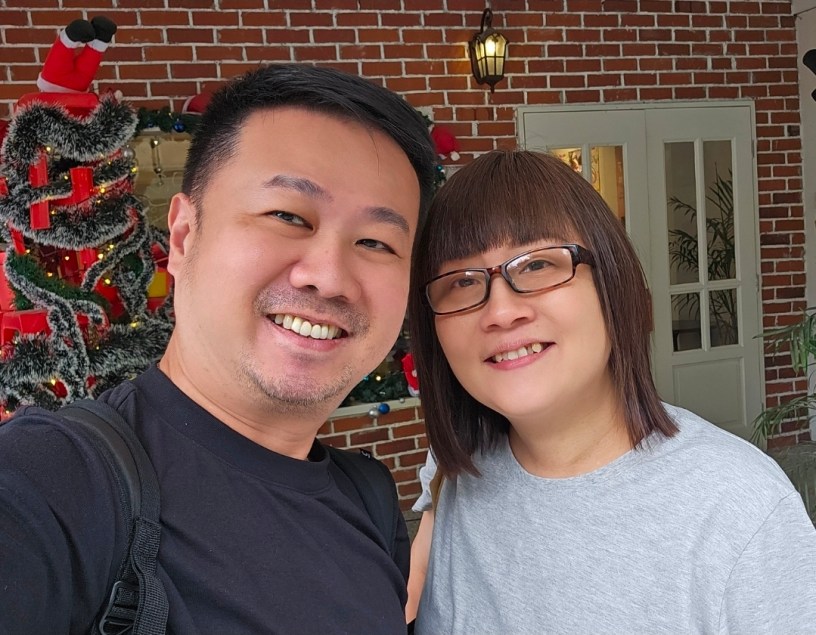
Meet Vincent, whose story is one of transformation through pain, purpose, and healing. As an integrative psychotherapeutic coach and clinical trauma specialist, he draws deeply from his lived experiences of childhood trauma, emotional neglect, and personal loss to help others navigate their own healing journeys.
Once an introverted boy who suffered silently and carried the weight of trauma into adulthood, Vincent now runs Authentic Men Asia and Authentic Relationship Asia, two platforms designed to help men and couples reconnect with themselves and each other. Through his work, he advocates for vulnerability, presence, and emotional safety, challenging outdated views of masculinity and paving the way for authentic relationships.
As a child, you experienced both physical abuse and emotional neglect. How did those early experiences shape the way you saw yourself and the world growing up?
As an introvert, I kept everything inside. I didn’t share my thoughts or emotions. I often ran away from problems and avoided conflict. I became a peacemaker. I learned to rely only on myself, and during my teenage years, I didn’t have many friends, just one or two close ones.
Outwardly, I may have appeared strong and independent, but internally, I felt disconnected from both myself and others. I also exhibited ADHD symptoms in primary school.
Back in the 70s, there were no proper diagnoses. I was just seen as a rascal. There were different parts of me, the misbehaving child and the cautious, mistrustful one. All these shaped how I saw the world.
You pursued engineering without passion before eventually finding your way to psychology and counselling. What was the moment you realised your past wasn’t a weakness but a calling?
After polytechnic, I signed on with the Singapore Police Force. While working as a police officer, especially during home visits, I noticed strangers would open up and share their problems with me.
This happened again later in my counselling work, especially with men. Because of my trauma and life experiences, I found I could empathise with them. I connected with their pain.
I realised this was a gift. It gave me the strength and insight to be there for others. It became clear that my purpose was to create safe spaces where people could be real, vulnerable, and feel truly heard.
Your marriage faced serious challenges. Today, you and your wife are not just life partners, but also business partners. How did healing individually change the way you show up for each other as a couple?
We both had our own struggles. There’s a saying—”hurt people hurt people.” For individuals who have experienced trauma, this often happens unconsciously. But we chose to do the inner work.
She’s a teacher, I’m a counsellor. We learned to see each other not as problems, but as partners on a journey. We began to take responsibility for our triggers and expectations.
We showed more empathy and became emotionally connected again. This shift allowed us to co-found Authentic Relationship Asia, to support other couples on their healing journeys.
As an integrative psychotherapeutic coach and clinical trauma specialist, how does your lived experience deepen the way you work with clients?
My personal experiences remind me that healing is not linear. Everyone’s journey is different. I work with clients from a space of acceptance and compassion.
In Authentic Man Asia, I work with men. In Authentic Relationship Asia, I work with couples. In both spaces, we focus on emotional safety, authenticity, and non-judgement. Because I have lived through trauma myself, I can offer geunine understanding that goes beyond textbook theory.
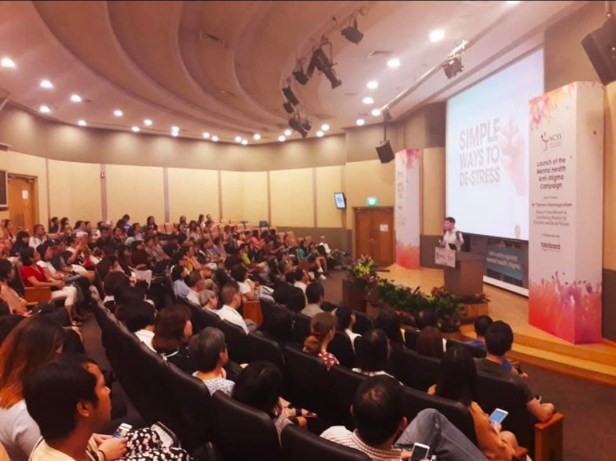
I’ve learned that true strength lies in vulnerability. It’s okay to show emotion and to cry. I teach my clients: awareness comes before change. You must be aware of your beliefs before you can transform them.
What is one misconception people have about healing from trauma that you wish more people understood?
People think healing means forgetting the trauma or becoming completely problem-free. That’s not true. Healing means being more present with yourself, your body, and your emotions.
Even when healed, you may still remember your trauma, but it doesn’t hurt the same. Eventually, sharing your story becomes like recounting a memory, without pain. It’s about staying connected to yourself, even when uncomfortable emotions arise.
What is something that you are deliberately unlearning right now?
As a child, I was taught that men should always be strong and never cry. I remember being beaten more when I cried. Now, I’m unlearning that belief.
I’ve learned that true strength lies in vulnerability. It’s okay to show emotion and to cry. I teach my clients: awareness comes before change. You must be aware of your beliefs before you can transform them.
When you were 17 and taking your O-Level exams, your youngest brother tragically passed away. You were naturally quiet and didn’t talk about feelings. Is there something you would like to say to your youngest brother if he were still around?
If he were still here, I would say, “Thank you for being there for me. I will be there for you. I will support you.” Perhaps that’s why I started my journey in counselling, working with youth and children.
In a way, every child I help is a tribute to him.
What’s your vision for Singapore in the next five years?
I imagine a Singapore where people feel safe being authentic. Where we can talk openly about mental health and emotions without fear of judgement.
When people focus less on performance and more on connection, we become integrated individuals. Families strengthen. Workplaces become healthier. We can grow together when we are real with ourselves and others.
If you could have a superpower for one day, what would it be and why?
The healing touch. I would want to heal people from childhood trauma, relational wounds, and emotional pain, so they can live fulfilling lives. Life is short. Why stay stuck in trauma?
When people feel safe, transformation happens.
Connect with Vincent: CoachVincentSoo, Facebook and Instagram.