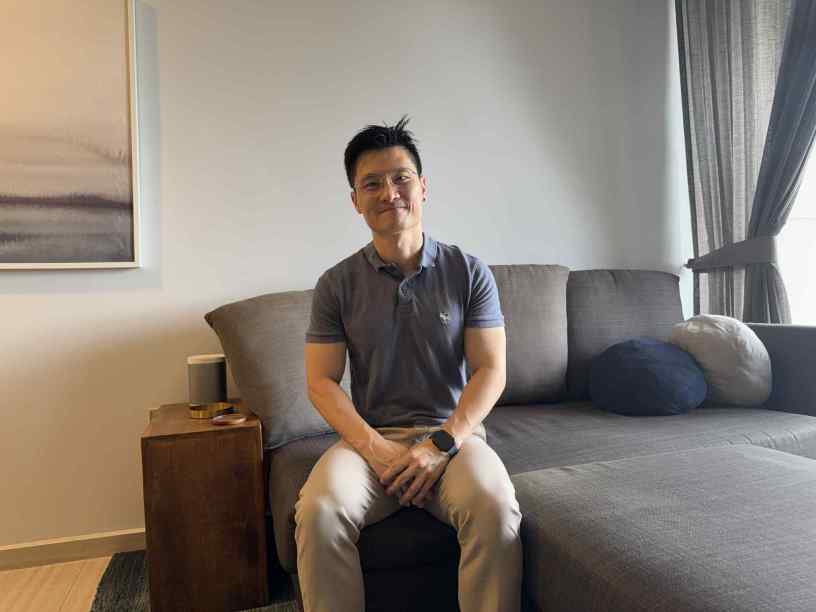
Meet Andrews, who never set out to be an entrepreneur. From a stable job in a multinational software company to eventually founding Redooor, his journey was fuelled by frustration, passion, and a desire to build solutions that worked—faster, better, and smarter. What started as a side passion for coding turned into a deep fascination with user interface and user experience design, eventually shaping his entrepreneurial direction.
Through Redooor, Andrews addresses one of the most overlooked gaps in software: the lack of quality UI/UX in many outsourced projects. His work bridges the divide between powerful development and seamless user flow, especially for local businesses. He’s a firm believer in empowering local developers, fostering meaningful partnerships over rushed hiring, and creating everyday tools that people genuinely enjoy using.
What inspired you to start Redooor and how did your personal journey lead you to build this business?
It was quite unexpected. After graduating from university, I joined a large MNC called Autodesk, known for AutoCAD and other engineering software. I wasn’t doing coding initially; I was in a team responsible for building and packaging the final software into executable files for customers. I was also in charge of the Mac version, which was very new at the time.
My passion for coding grew when I started creating user interfaces (UI) for internal scripts. My seniors had many scripts but no UI. So I created a script with a UI that made everything easier for them. They loved it, and that sparked my interest in coding.
Eventually, a new team lead joined and started bullying me regularly. He criticised my work but couldn’t pinpoint what was wrong. Despite asking for feedback, he never gave any constructive input. After months of this, I resigned.
At that time, Ubisoft was hiring for a similar position as a build engineer. I joined and began automating build processes, cutting build time from seven hours to four. But instead of appreciation, I was expected to do even more. That’s when I decided I was done working for others.
Redooor started as a web design company, taking on small jobs. But my real vision was to build web applications. Back in 2012, web apps weren’t widespread. Most things were still desktop-based. I wanted to change that.
Was there a specific moment or experience that made you realise there was a real gap in the market that Redooor could fill?
Yes. The web industry back then was limited by poor browsers, especially Internet Explorer. I started leaning into UI design as browsers evolved. There’s a gap between developers and users, and that gap is UI and user experience (UX) design.
I was inspired by how Apple redesigned smartphones. Microsoft had smartphones earlier, but the UI was outdated—tiny buttons, styluses, and clunky design. Apple’s UX was simple and user-centric. That approach strongly influenced my direction.
What do you consider defining features of Redooor that differentiate it from other platforms or services in your industry?
First, local developers. Many companies struggle with overseas outsourcing. I have worked with clients who outsourced to overseas teams but faced issues with communication and turnaround time. I often step in as a middleman, helping debug and bridge gaps between them and outsourced developers.
Second, UI design. While overseas developers may be great at coding, many lack UI sense. They use generic frameworks, but the layouts often don’t make sense. I guide them on user flow and positioning so users can navigate smoothly without confusion.
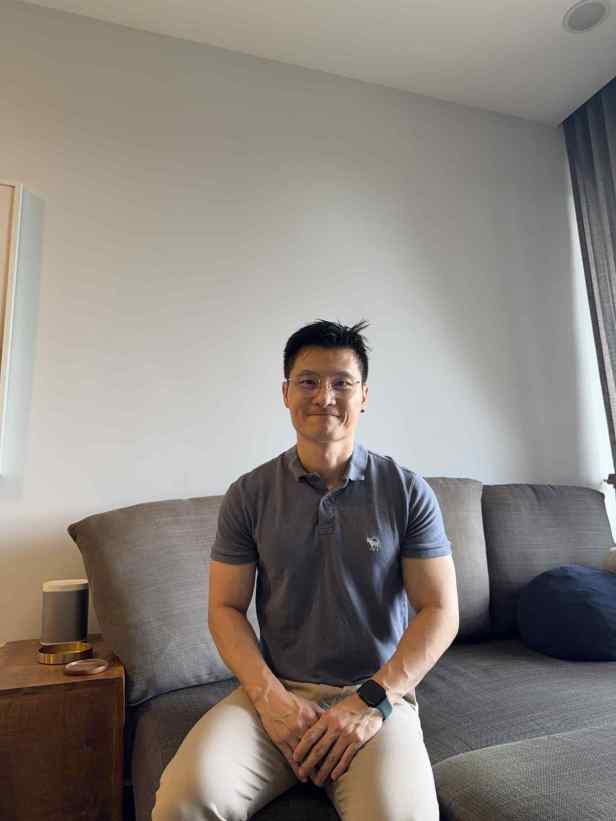
Outsourcing isn’t always cheaper or better. Many clients want to save costs by outsourcing abroad, but poor quality ends up costing more. I believe in outsourcing locally, even if it is a bit more expensive. Singaporeans produce high-quality work, and working closely together improves results and speed.
Looking back on your journey as a founder, what has been your most meaningful lesson?
Don’t rush into hiring. I have tried hiring and even rented an office. But admin work took up half my time, and training staff took up another chunk. I was left with only 25% of my time to do actual work.
Unless you are someone who enjoys administrative work and managing people, hiring might not be ideal. Instead, I prefer partnerships. We share both the work and the challenges.
If you could change one conventional perception in your industry, what would it be and why?
Outsourcing isn’t always cheaper or better. Many clients want to save costs by outsourcing abroad, but poor quality ends up costing more. I believe in outsourcing locally, even if it is a bit more expensive. Singaporeans produce high-quality work, and working closely together improves results and speed.
What keeps you motivated on the hardest days, and what fuels your excitement every morning?
Coding itself motivates me. Seeing clients use my software and say, “It’s so easy now,” is deeply satisfying. Knowing that I have made someone’s work life better keeps me going.
What’s your vision for Singapore in the next five years?
Many of the tools we use today—CRMs, CMSs, accounting systems—are American. But the US is no longer as stable as before. I believe it is time we develop our own major software brands here in Singapore. We already host world-class data centres and are safe from natural disasters. These are advantages we must leverage.
I want to see Singapore lead the software industry with homegrown, globally recognised platforms.
If you could have a superpower for one day, what would it be and why?
To read minds. In user experience (UX) design, understanding users is the hardest part. What they say or do might not reflect what they really want. Reading minds would give deep insights into their true needs.
