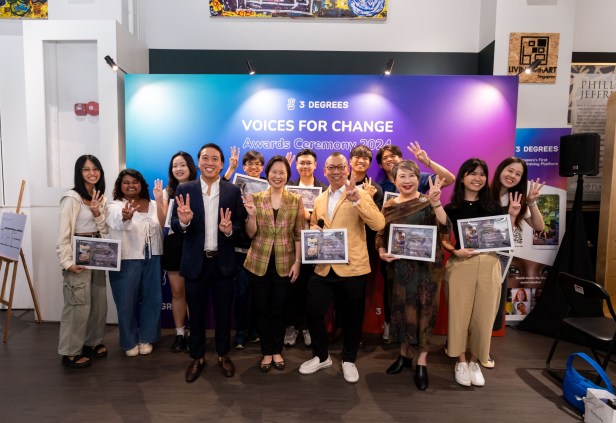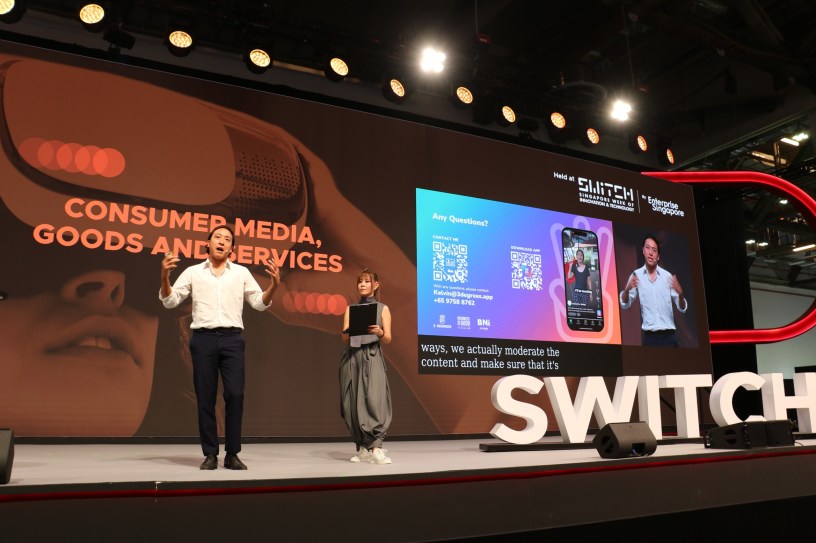
Meet Kelvin, the visionary behind 3 Degrees, a purpose-driven platform born during the height of the COVID-19 pandemic. With a background in technology and a passion for social impact, he set out to make donating as intuitive as scrolling through social media. His goal? To lower the barrier to giving and build a more empathetic, action-oriented digital community.
What started as a response to the crisis has evolved into a movement—blending innovation, compliance, and storytelling to empower both donors and charities. Recognised by raiSE and shortlisted for Asia’s Fintech Startup of the Year, 3 Degrees is more than just an app—it’s a blueprint for how technology can inspire generosity at scale.
What inspired you to start 3 Degrees? And how did the idea of making donating as easy as sharing a post first come about?
3 Degrees is essentially a COVID-19 baby. The idea was born during the lockdown period, when many of us were isolated at home, and the world was going through an incredibly challenging time.
I noticed that people were struggling and that the social impact sector needed more support. I also saw an opportunity to contribute my own skillset in a way that could improve the experience for both donors and charities. That’s when the concept of 3 Degrees took shape—a platform designed to make giving as simple and seamless as sharing a social media post.
Building a platform for social change is not easy. What have been the biggest challenges so far and how have you overcome them?
Building this platform turned out to be more difficult than I initially imagined. We hit a kind of “sweet spot” in terms of difficulty—juggling both technical development and regulatory compliance.
On the technical side, we’re building a cross-platform app that functions on both web and native devices. On the compliance side, the giving space is understandably highly regulated, which helps protect both donors and charities but also adds complexity.
At the same time, we’re trying to innovate—creating an app that is both impactful and easy to use. Balancing innovation with compliance is never easy, especially since we aim to be a global platform.
Can you walk us through the features that make the 3 Degrees app engaging and intuitive for your users?
Back in 2020, we observed that the giving industry was hyper-localised and fragmented, with no clear solution that was simultaneously compliant, trustworthy, intuitive, and engaging. We set out to build an app that would streamline the giving process for everyone.
The app allows users to browse and discover causes that resonate with them via a social media-style feed, similar to Instagram Reels or TikTok. Users can also search for causes or organisations by typing in keywords and applying filters to narrow down results.
We enable both users and charities to create engaging video content to tell their stories—just like on other social media platforms—building transparency and trust. Other features include a real-time donation ledger and activity stream, showing where users are donating both their time and money.
Lastly, the user profile is an often overlooked feature, but it’s vital. We want to make giving part of a person’s identity, and the profile captures that journey beautifully.
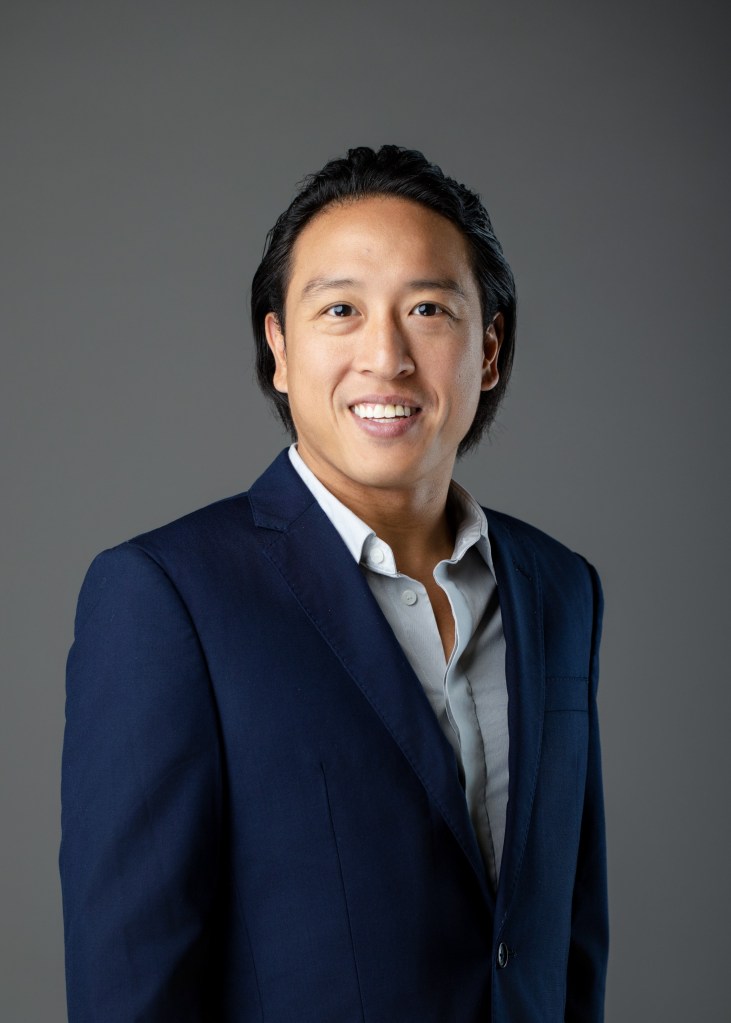
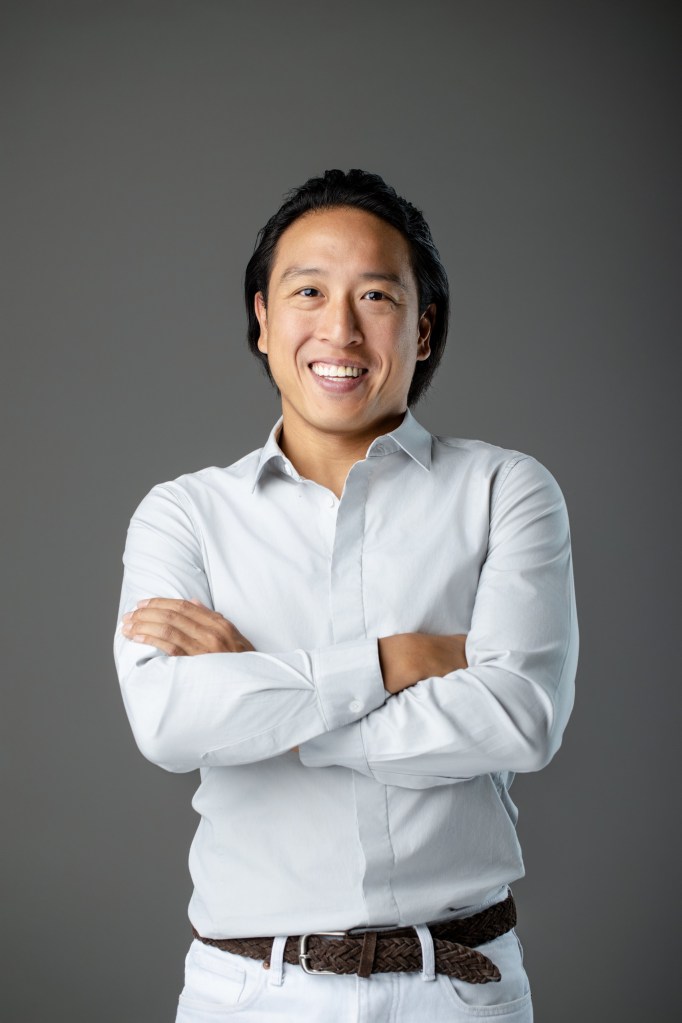
My advice would be to start with something that genuinely moves you. Build a business around solving a problem that you feel deeply connected to. If your only goal is profit, you’ll likely burn out.
Part of our vision is to nurture the next generation of compassionate leaders. How is 3 Degrees helping you build awareness of social and environmental issues?
Social media has shown us that short-form, video-based storytelling is highly effective—it’s more natural and authentic. We believe that by creating a platform that speaks the language of younger generations, but is focused on social and environmental issues, we can raise awareness and inspire action.
To engage youth more directly, we also run programmes like our annual student film competition. Last year, we invited students to create short films for local charities. It’s a meaningful initiative that lets students apply their skills—whether in filmmaking, storytelling, or digital marketing—while helping charities reach wider audiences.
3 Degrees has been recognised by raiSE as a social enterprise and shortlisted for awards such as Asia’s Fintech Startup of the Year. How do these recognitions validate your mission and journey?
Being recognised by raiSE, Asia Fintech, and even reaching the finals of the Slingshot competition has been incredibly validating. It shows that our model stands on a solid foundation of innovation—not just social goodwill.
These recognitions prove that it’s possible to balance social impact with tech innovation, and that one can actually reinforce the other. It’s a reminder that technology for good can also have a meaningful economic impact.
What advice would you give to aspiring founders who want to build businesses that drive both profit and purpose?
My advice would be to start with something that genuinely moves you. Build a business around solving a problem that you feel deeply connected to. If your only goal is profit, you’ll likely burn out.
As a founder, you need something to sustain you during tough times, and the purpose is that fuel. It’s the only thing that keeps you going when things get difficult.
What’s your vision for Singapore in the next five years?
I think Singapore has already done a commendable job as a leader in social innovation. Looking ahead, I hope we continue to set an example for Southeast Asia—not just by creating ideas, but by fostering a thriving ecosystem.
I envision a space where startups, corporations, charities, and communities can grow and support one another. I’d love to contribute to that ecosystem and help create a more empathetic society.
If you could have a superpower for one day, what would it be and why?
My passion lies in education, and I believe the world would be a much better place if people were more empathetic. I would choose the superpower to help people truly understand one another—to feel what others feel and respond with compassion.
That kind of empathy could transform society for the better.
Connect with Kelvin: LinkedIn, Facebook and Instagram.