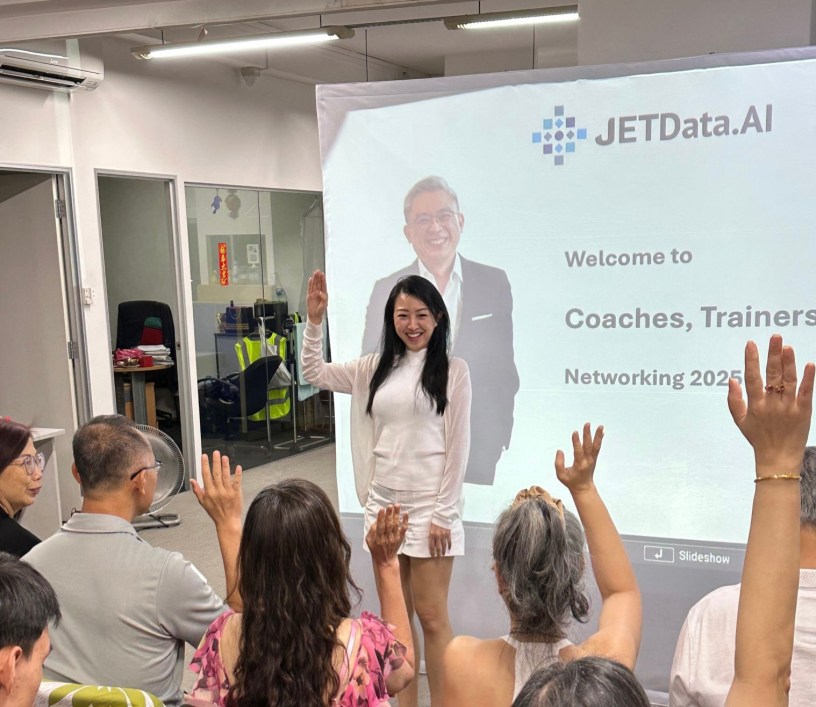
Meet Michelle, a dynamic recruitment mentor and personal branding expert whose entrepreneurial journey began as the “Meepok Sales Girl.” With a sales-driven mindset and a flair for building trust, Michelle empowers recruiters to attract top-tier talent through authentic engagement, strategic storytelling, and consistent delivery.
From closing $2 million in sales within a year to transforming her viral food business into a personal brand powerhouse, Michelle brings a unique blend of real-world hustle and recruitment strategy. Today, she helps recruiters, entrepreneurs, and sales professionals unlock their potential, elevate their brand, and achieve meaningful, measurable growth.
From “Meepok Sales Girl” to recruitment mentor, what was the turning point that sparked your shift into personal branding and talent acquisition?
There are two reasons for the turning point that led me into recruitment work. A bit of background about myself—five years ago I went viral because I was featured on a food blog by Dr Leslie Tay of iEatiShootiPost. Before the feature, we were usually sold out at 3pm, but after his feature, we were sold out by 10am the next day.
That was the impact of him putting us on his article and social media. Then something happened to my father. He was diagnosed with stage four lung cancer.
At that point, I was his main caregiver. So I had to put my business on hold to care for him, because he didn’t have time to wait for me. Eventually, shortly after, he passed away. I believe he could have lived longer, but the reason he passed away was due to a shortage of manpower in the hospital during Covid.
There were not enough doctors and nurses, and I believe that when he needed help, no one was there for him. That’s probably why he died earlier than he should have. I was very angry—I don’t think anybody deserves to die just because of a lack of manpower.
So I decided to close my F&B and go into healthcare recruitment to source for doctors and nurses. Even before my F&B venture, I was already doing healthcare recruitment.
But this time around, the purpose was different. It came from a place of impact, of genuinely wanting to help people avoid going through what my father went through and sparing their families from that kind of trauma.
You mentioned that you closed $2 million in sales. So what do you think are the key traits that help drive performance in sales and business development?
In order to be a good salesperson, we need to have these three formulas. So the first formula is having the correct mindset, which comes from myself.
First, I’m here to help you to solve a problem. If I’m coming from a place of standing in your best interest, that would actually establish trust and a relationship between us. So before a sale can happen, we need to let customers feel safe working with us first.
And secondly, we need to have a step-by-step framework. I call this SWIFT. This is a framework that is backed by research using human behavioural science. This has always been my approach to helping people.
And then the third thing is tools. Tools are about body language, tonality, and facial expression. So if we can master these three formulas, your sales are almost guaranteed. Because for what I do, I get clients to self-close themselves. I don’t try to tell them, “Okay, you need this, you need that, you need to buy this, you need to buy that.” No.
What I also mastered about sales is that I stand in my buyers’ or my clients’ best interest to serve. Because the thing is, everybody has a problem. But I’m also here to help you make a decision when you are sitting on the fence. At the end of the day, it’s still about human relationships.
What role does personal branding play in recruitment success and how can recruiters begin building theirs effectively?
Through personal branding, I have seen results whereby I went viral because of Dr Leslie Tay—that article actually blew up my name, and that became my personal brand whereby I was known as the meepok girl.
So having a personal brand lets you stand out from the rest of the competition because people see you now. I mean, I may not have the best meepok in Singapore, but it was because I was being seen by people.
So how does that apply to recruiters? If you establish yourself in a particular niche—for example, for myself, I’m a recruiter in healthcare because of my personal story about my father—now people will want to associate with that kind of identity.
And if recruiters can have their own personal brand in their niche—because of their story or passion, it will build their visibility. And people would choose them over others because now people know that they exist.
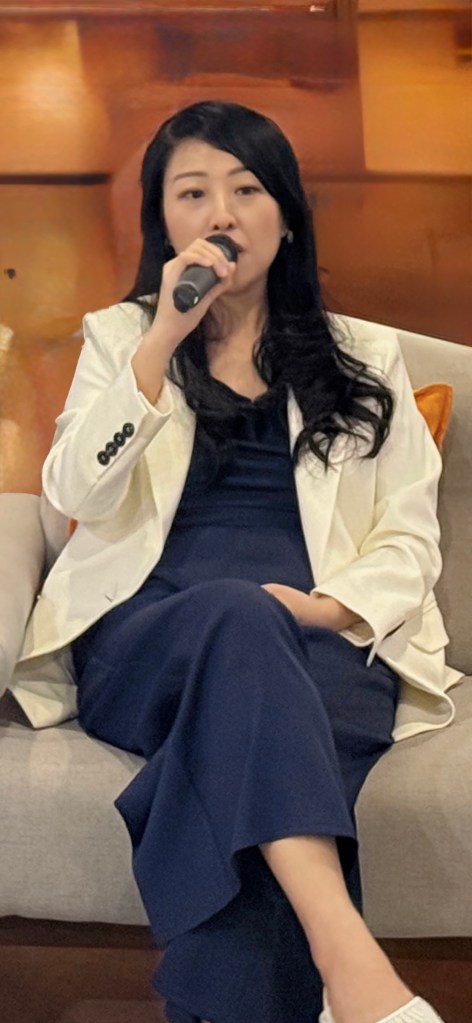
What’s your strategy when it comes to using social media to attract opportunities?
You can choose one to two platforms for a start. For me, I started on LinkedIn in November last year. And through consistently posting content about my story, about my personal branding, and about sales, I was seen and I was featured by LinkedIn News Asia when I was two months into the journey—before Chinese New Year.
So people can get started on their LinkedIn journey first, especially if their business targets are in the LinkedIn space. They can start by posting every day, probably five days a week to start. Just one post per day.
Another strategy is, if you can post on TikTok, you’ll multiply your number of views. People will see you even more. So you have two platforms rolling out at the same time.
What do you think makes a good entrepreneur?
You must come from a place whereby you are willing to serve or help. The difference between a business owner and an entrepreneur: a business owner is someone who is here just to earn money.
But as an entrepreneur, you should be here to serve first. When you are here to help and to serve, the universe will reward you with money.
My second thought is that as an entrepreneur, it’s not an easy journey. You have to sacrifice a lot of time, hard work, effort, and stability in terms of salary. If you’re okay with giving up stability, then it’s good for you to go into entrepreneurship.
What are your goals for expanding your impact as a mentor, brand builder, and entrepreneur?
Whether it is recruitment, property sales, car sales, tech sales, or whatever sales—it’s about selling to people the right way, which is to help them solve a problem.
That would actually help you to get more business because people feel that you are genuinely here to help them, and they would stay loyal to you. So they need to adopt a new sales model. When selling the right way, they can actually earn more money. And through personal branding, you get free leads coming in.
But at the same time, when leads start to come in, you must know how to convert, which is the sales conversion part, using my three formulas. That will bring in money for you. So my goal is to help you earn more money through improving the outdated way of selling.
What is your vision for Singapore in the next five years?
AI is already here. A lot of jobs will be affected. And I see that a lot of small companies will be built, and big companies will start to shrink because what kills them is actually the cost of manpower. But with them scaling down, that means they no longer need so many people.
A few years down the road in Singapore, I see a lot of SMEs thriving, rather than very big companies. And small businesses can work together to exchange their resources, and they may become stronger because of collaboration.
Connect with Michelle: LinkedIn.