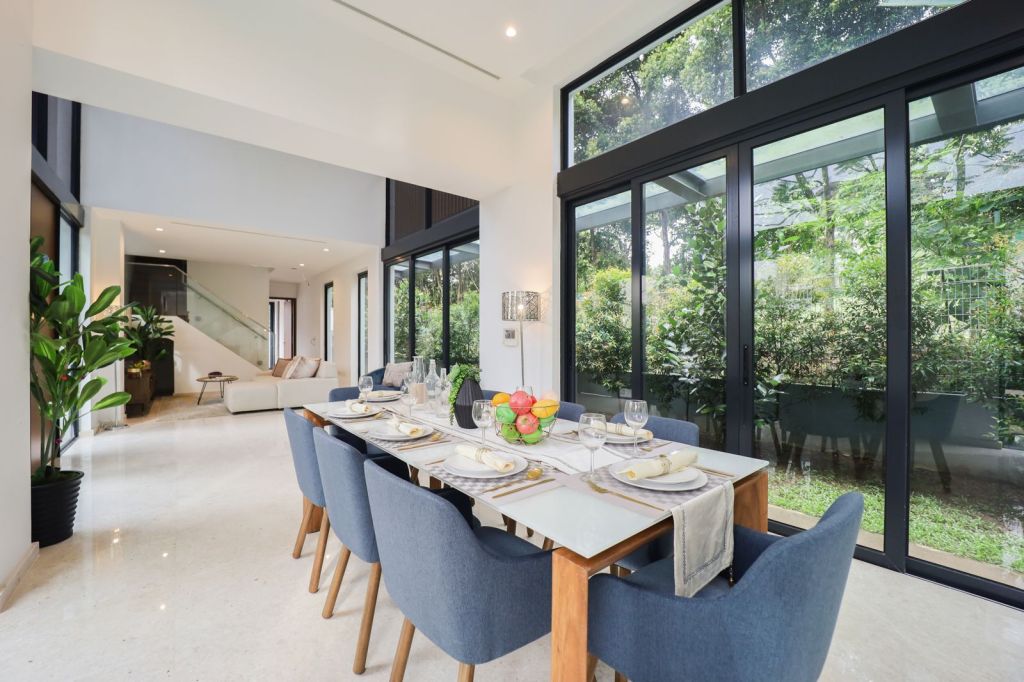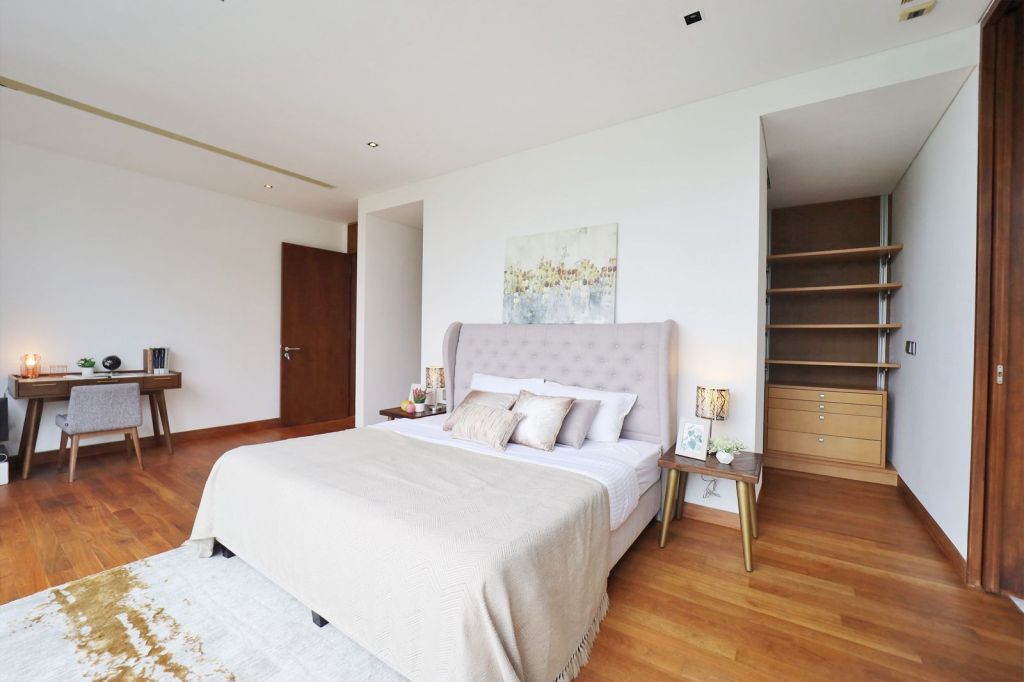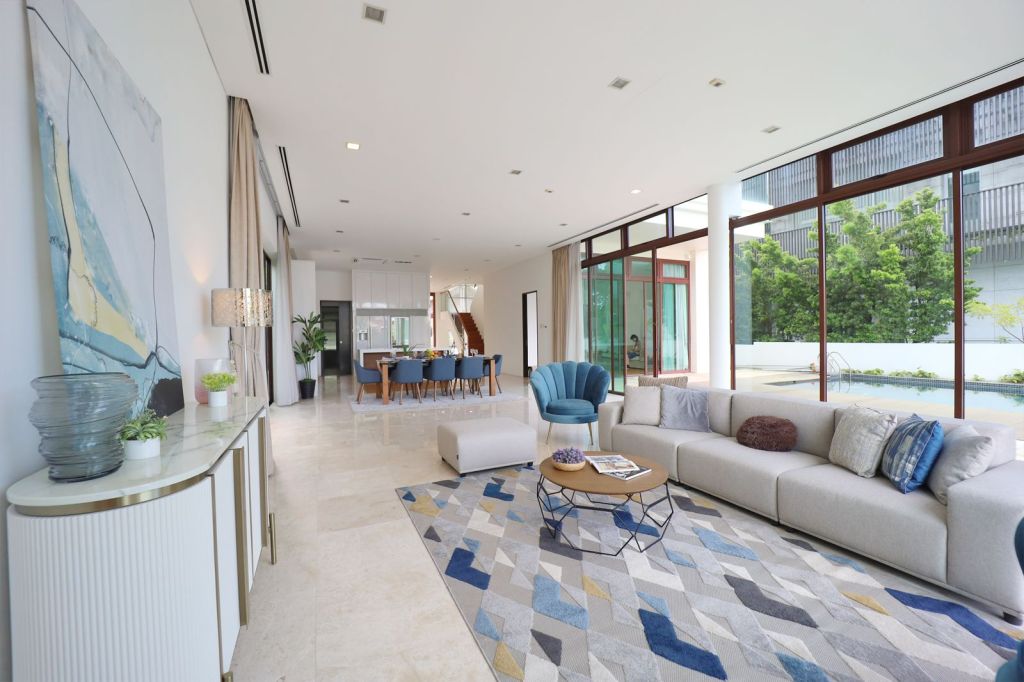
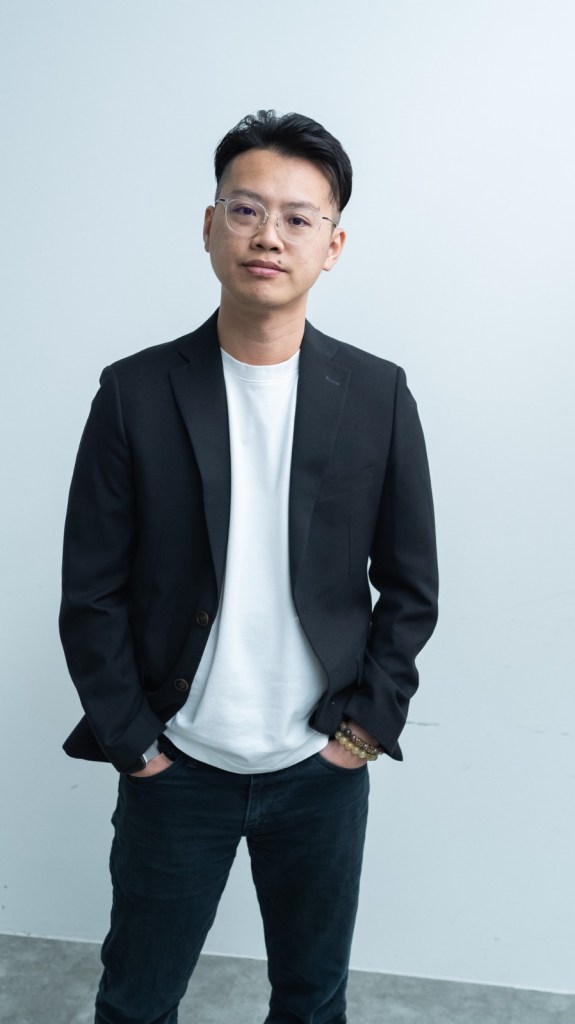
Meet Kelvin, the visionary co-founder of Singapore Furniture Rental (SFR) Group, a thriving furniture rental and staging business that’s transforming how people view spaces. With a keen eye for design and a passion for creating welcoming environments, Kelvin and his team specialise in providing high-quality, stylish furniture solutions for events, home staging, and short-term needs.
Their innovative approach helps homeowners, real estate agents, and event organisers bring spaces to life, leaving lasting impressions and maximising potential. Through their business, Kelvin combines creativity with practicality, making beautifully furnished spaces accessible to all.
What inspired you and your co-founders to start Singapore Furniture Rental (SFR) Group, and how did you identify the gap in the furniture rental industry?
About 11 years ago, I was actually working for another furniture rental company. Traditional furniture rental companies back then mainly served expatriates who came to Singapore for 1-2 years and rented furniture. We identified an opportunity to do more by serving property owners who wanted to rent out their properties.
At that time, around 10-11 years ago, there were no established home staging services in Singapore. That’s when we decided to step in and provide staging services alongside furniture rental. We became an online furniture rental company, showcasing our catalog online without a physical showroom, and offering home staging services.
How has SFR Group evolved over the years to cater to diverse furniture rental needs, from home and office furniture to events?
We started with a simple idea: to be the first online furniture rental and home staging company in Singapore. This was 10 years ago, before digitalisation was widespread. As we progressed, we realised there were people who genuinely needed furniture for various reasons, particularly property owners.
Their approach was often to buy furniture and dispose of it when it was no longer needed. We addressed this gap by providing rental services for homeowners, property investors, home sellers, and property agents. We also received inquiries about event and office furniture rentals, so we expanded to fill these needs as well. We grew because people inquired, and we responded to their needs.
What challenges do you face while pioneering office pod rentals in Singapore, and how do you overcome them?
For office pods, we were the first to provide rental services. However, many service providers sell office pods instead. A significant challenge is the short rental periods that some clients prefer, such as for events lasting only a few days.
The logistics costs for office pods are high due to their size and the time required for installation and removal. These logistics costs can make the overall rental cost seem unjustifiable for short-term use. To address this, we educate clients on the value of our service and explore longer-term rental options whenever possible.
Can you share the vision behind expanding into multiple brands like Pinnacle Event Furniture, SFR Home Staging, Affinity Motion, and SERV?
Before COVID-19, we operated under just two companies, with all services housed under Singapore Furniture Rental. While this helped with brand awareness, it diluted the brand’s identity because people couldn’t clearly understand what specific services we offered.
After COVID, we realised that having all our services under one brand was risky. We decided to diversify into multiple brands, each focusing on specific services, such as home staging, event furniture, and office furniture. This strategy made our marketing more focused and effective, while reducing risks by spreading them across multiple businesses.
Furniture rental is inherently a sustainable business model, as we reuse furniture multiple times until it can no longer be used. For packing and wrapping materials, we try to reuse them as much as possible.
How do you ensure that your extensive collection of furniture stays stylish, functional, and aligned with customer expectations?
Maintaining our inventory is one of our biggest challenges. Each year, we replace about 10-15% of our furniture due to wear and tear, damage, or outdated aesthetics. Items that are damaged are disposed of or sent for reupholstery or refurbishing.
Additionally, we offer clients the option to buy furniture after long-term rentals, which helps reduce our inventory and makes room for new pieces. To stay updated with trends, we attend furniture fairs in China annually and consult with suppliers to bring in the latest designs. This ensures our inventory remains relevant and stylish.
What role does sustainability play in your business, and how do you incorporate it into your furniture rental and logistics services?
Furniture rental is inherently a sustainable business model, as we reuse furniture multiple times until it can no longer be used. For packing and wrapping materials, we try to reuse them as much as possible.
When items reach the end of their life cycle, we partner with recycling companies to ensure materials are repurposed or recycled. Sustainability is a core value we strive to integrate into all aspects of our business.
As an innovator in the furniture rental industry, where do you see SFR Group in the next few years, and what are your plans for further growth?
I always aim to do something unique and be a leader in our industry. In the next few years, I foresee locals in Singapore embracing furniture rental as part of the sharing economy, especially among younger generations. This trend is already visible in other countries.
We also plan to grow our interior design business, which complements our existing services. Since we already help clients stage, furnish, and move properties, adding ID services is a natural extension of our offerings. Expanding internationally is another avenue we are exploring.
Where do you see yourself, and what’s your vision for Singapore in the next five years?
On a personal level, I see myself growing the business further, potentially expanding overseas. Singapore is a small market, and for a niche business like ours, scaling beyond local borders is essential. If the opportunity arises, I’d consider selling the business to pursue larger ventures.
For Singapore, I believe it will continue to be a hub for business and investment due to its strong policies. However, with increased competition and rising costs for labour and property, businesses will face challenges in maintaining profitability. Despite these challenges, I see Singapore maintaining its position as a favourable place for business growth and innovation.
Connect with Kelvin: Biolink and LinkedIn.