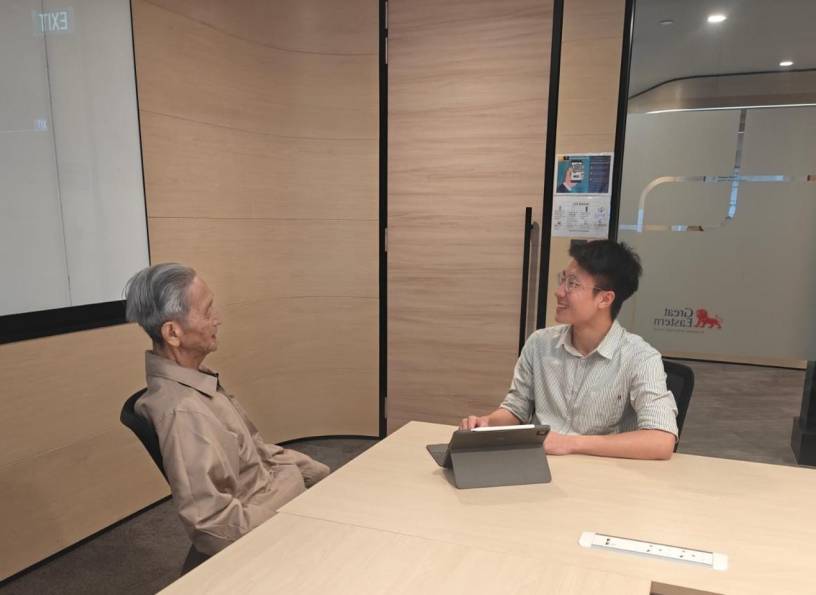
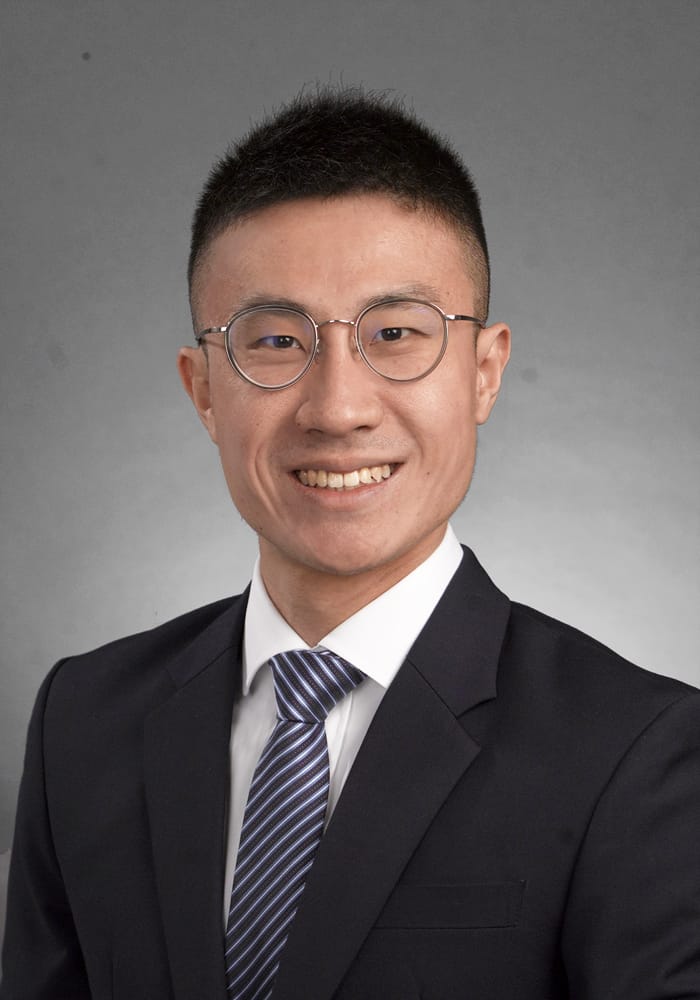
Meet Damien, a dedicated expert in legacy planning, business protection, and succession planning. With a passion for helping business owners safeguard their hard work, Damien specialises in creating strategies that ensure a smooth transition of businesses across generations.
By addressing potential risks and planning for the unexpected, Damien empowers entrepreneurs to preserve their legacy, protect their assets, and secure the future of their companies. His mission is to help businesses thrive long after their founders step away, ensuring continuity and lasting success. How did he get started? Here’s his story.
What inspired you to specialise in estate and legacy planning, and why do you think it’s so important for individuals and families?
For me, I decided to specialise in estate and legacy planning because of my personal story. My uncle passed away very early in life at the age of 51 due to brain cancer. During that time, I saw the importance of estate and legacy planning because when he passed, he left a legacy along with him.
That experience made me realise the significance of proper planning. I also recognised that in Singapore, there is a large market where estate and legacy planning are often overlooked. I felt this was an opportunity, as many people neglect this aspect. I’ve seen families get into disputes because estates were not properly planned, resulting in family tensions. This is why I chose to focus on this area – to help more people fulfill their wishes and live a life without regrets.
What are some of the common challenges business owners face with succession planning?
When it comes to business succession, many business owners make assumptions and take things for granted. Often, they believe that when they pass on, their children will automatically inherit the business, and things will proceed smoothly.
But as we know, life is unpredictable, and anything can happen. Succession can encounter many hiccups, especially if things are not planned properly. Issues like illness or children not wanting to take over the business can arise. I’ve noticed that many business owners lack understanding in this area.
Some have struggled to pass on their businesses, and others were forced to liquidate, which can be devastating. I wanted to solve this problem, which is why I chose to specialise in this area – to help business owners preserve their legacy and ensure their business continues for generations.
Can you walk us through the key steps involved in creating a solid estate plan that addresses financial considerations?
The first step is to understand yourself and recognise the importance of estate planning. Once you acknowledge the need, the next step is personal planning. If your personal affairs are not in order, there’s no point in addressing business concerns.
Your estate plan should reflect your wishes and ensure your family is taken care of. From there, we can move on to business succession. These are key steps that need to be followed.
What are some common mistakes people make with business succession, and how can they avoid them?
One common mistake is assuming that everything will continue to run smoothly. For example, a business owner running a lift installation company may believe that the business will continue to thrive, even after they’re gone. They might assume that clients will stay loyal, but that may not be the case.
If the successor lacks the necessary skills, clients could leave. If the business doesn’t have enough liquidity and the company loses accounts, it may spiral into debt. Employees might leave, and the business could collapse.
To mitigate this, it’s crucial to have life insurance in place to ensure liquidity. This can sustain the business for the next one or two years, giving the successor time to learn and take over. Life insurance plays a key role in ensuring a smooth transition.
When it comes to business succession, many business owners make assumptions and take things for granted. Often, they believe that when they pass on, their children will automatically inherit the business, and things will proceed smoothly.
How do you guide clients in selecting the right life insurance for business protection?
It depends on the size of the business, its value, and annual revenue. I assess whether the business carries any debts and determine the right coverage amount. For example, if a business generates $300,000 in annual revenue, I would recommend coverage of around $1 million to cover three years. This ensures the business has enough liquidity to manage operations, allowing time to find another successor if necessary.
How do you approach discussions about legacy planning, especially regarding sensitive topics like inheritance and family dynamics?
I enjoy this business because it’s very relationship-based. I don’t typically bring up these topics directly. They come up naturally as I get to know the business owner and they share their life experiences. From there, I gain a better understanding of potential risks. That’s how I introduce the topic – by helping them assess risks and think about the future of their business.
In your experience, how does estate and succession planning ensure a client’s legacy is preserved and passed on according to their values and goals?
Succession planning is essential. Many people have heard of the saying, “the first generation builds the business, the second generation sustains it, and the third loses it.” This is common everywhere – in Singapore, China, Taiwan – and it’s normal.
Succession planning comes down to values. What values do you want to instill in your business? What legacy do you want to leave behind? My role is to ensure that the financial aspects are in place and the transition is smooth. However, the values and legacy are ultimately the responsibility of the business owner.
Where do you see yourself, and what’s your vision for Singapore in the next five years?
My goal is to help more people, especially business owners, many of whom are baby boomers. I want to help them build solid businesses and preserve their legacies. I also hope that more business owners will address succession planning. Ultimately, I want people to feel safe, happy, and secure, living their best lives in Singapore. That’s my goal.
To me, Singapore is a wonderful country – safe, secure, with good economic policies and governance. In the next five years, I hope to see Singapore continue to thrive with a stronger economy.
Connect with Damien: Facebook