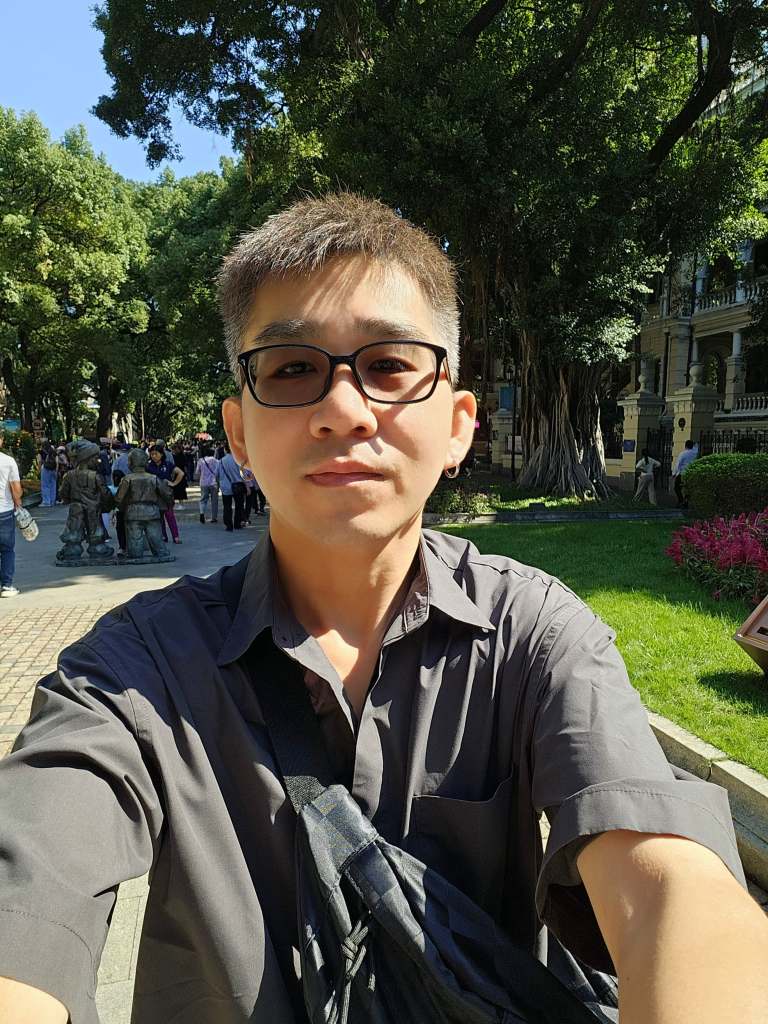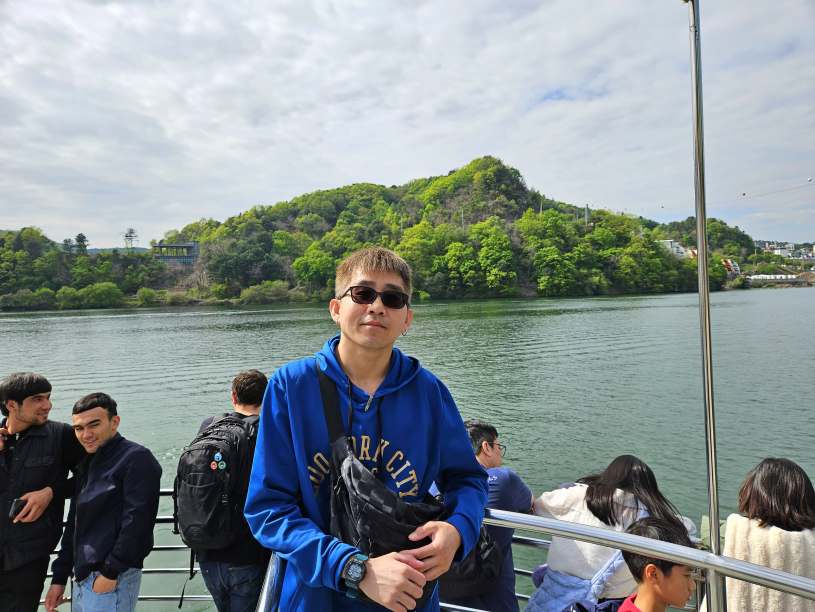
Meet Kelvin, a passionate YouTuber who takes viewers on immersive journeys through the streets of Singapore and beyond. With a keen eye for detail and a love for exploring new places, Kelvin creates captivating walking tours that showcase the vibrant life, unique culture, and hidden gems of both local and international cities in his channel The Roaming Walker.
Whether it’s strolling through bustling Singapore neighbourhoods or uncovering the charm of far-flung destinations, he offers an engaging and authentic perspective, making each video a virtual travel experience for his growing audience. Read Kelvin’s story on how he got started.
What inspired you to start a YouTube channel focusing on walking tours of streets in Singapore and beyond?
When I first started, it was because of a Korean drama I watched. The locations in the show were very beautiful, and I went on YouTube to find out more about them. That’s when I came across a channel where someone was walking through these locations, and the video was so clear and stable—it wasn’t shaky at all.
I became curious about how they filmed it. After researching online, I found out they used a gimbal. So, I bought one and decided to try it out. My first video was at Clarke Quay. Initially, I only planned to film at night because I don’t like crowded places.
But over time, I realised that night filming is challenging for some locations, and there are not many activities. That’s how I started doing daytime videos as well.
How do you decide which locations to feature, and what goes into planning and filming your walking tours?
During festive events, I prepare in advance to visit those places. On regular days, I don’t always plan much. Sometimes, even when I’m already outside, I still haven’t decided where to film.
I usually go by feeling—if I feel like exploring a particular spot, I’ll film there. Often, I choose less popular or hidden corners to showcase. My preparation is simple—I just bring an umbrella in case it rains.
What are some challenges you face when recording in public spaces, both in Singapore and overseas?
When I first started, I used my phone to film, and it worked ‘okay’ for night videos. But when I upgraded to a DJI Pocket 2, I noticed the quality in low-light areas, like dimly lit streets, wasn’t great. Since I’m not an expert in video editing, improving the footage became a challenge. That’s why many of my videos are in well-lit areas like Chinatown, Clarke Quay, or Orchard Road.
For overseas filming, I’ve found it easier because tourist areas in places like Taiwan, Korea, and Japan are well-lit and vibrant, so there are fewer issues compared to Singapore.
How do you make your walking tour videos engaging and unique for viewers?
I think my videos are unique because I don’t follow a set concept. I just film wherever I feel like going, which allows my viewers to discover interesting places.
Sometimes, I visit spots I hadn’t planned on, and that element of spontaneity makes my videos relatable. I hope my viewers can experience the joy of discovering new places through my videos.
Can you share one of the most interesting or unexpected experiences you’ve had while filming?
One time in Taipei, I was filming at Tamsui. It was raining lightly, and the weather was very cold. I bought gloves at a mall because my hands were freezing and shaking. The wind was strong, making it difficult to hold both the DJI camera and an umbrella. It was a very challenging yet memorable experience!
Be yourself, and film places that you enjoy. Over time, you’ll improve your filming and editing skills. Don’t worry too much about perfection; focus on sharing your unique perspective.
How does filming walking tours abroad differ from filming in Singapore, and which overseas location is your favourite so far?
Filming in Singapore is straightforward because I don’t need to plan much—I can go anytime and anywhere. For overseas trips, since I’m usually there for only five to seven days, I need to plan each location carefully and work within a tight schedule.
Everything is more rushed, and I can’t afford to take too much time at one spot. As for my favourite location, I would say Penang. I love to explore the streets of Penang and also try out the street food. Filming there is particularly enjoyable because of the culture, food and even the people.
Do you aim to educate your audience about the cultural or historic significance of the places you walk through?
For overseas videos, I try to research the cultural and historical significance of the places I visit whenever possible. During editing of the videos, I try to include as much information as I can. Sharing this information makes the videos more meaningful for viewers.
Many viewers appreciate the effort because they get to learn something new while enjoying the visuals.
What are your long-term goals for your YouTube channel, and are there any new directions or themes you’d like to explore?
In the future, I’m considering adding commentary to my videos—talking about the places I visit and recommending interesting spots. I might even show my face and share more personal insights with my viewers.
What advice would you give to someone who wants to start a YouTube channel with a similar concept?
Just start! You don’t need fancy equipment—what matters is consistency and passion. Be yourself, and film places that you enjoy. Over time, you’ll improve your filming and editing skills. Don’t worry too much about perfection; focus on sharing your unique perspective.
Where do you see yourself, and what’s your vision for Singapore in the next five years?
I hope to grow my channel and reach a wider audience, both in Singapore and internationally. I want to create better-quality videos and continue sharing unique places with my viewers.
As for Singapore, I envision it becoming even more vibrant, with more international events, exhibitions, and festivals. These events not only promote our culture but also give creators like me more opportunities to showcase Singapore to the world.
Connect with Kelvin: YouTube, Instagram and TikTok.