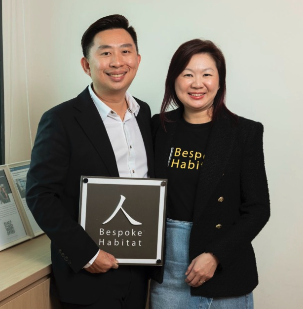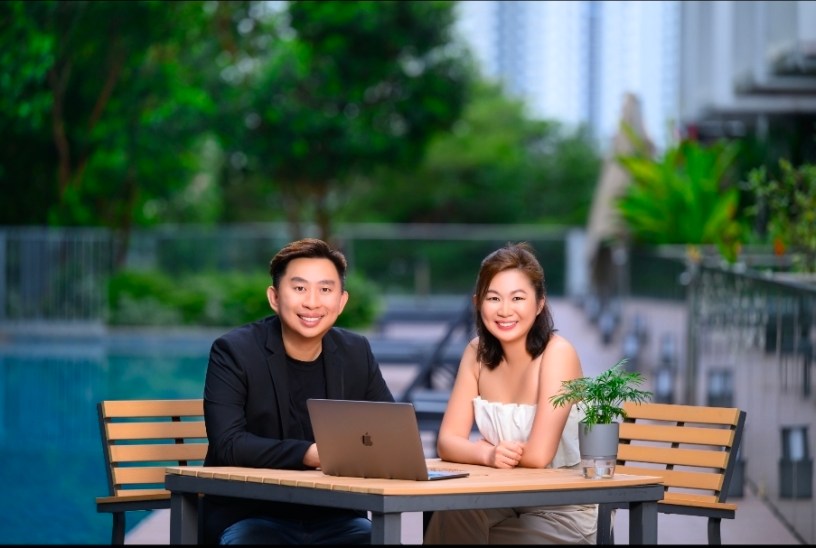
Meet Ernee, a property entrepreneur who transformed a simple idea of renting out spare rooms into a scalable co-living business managing thousands of units. What began as a strategy to improve rental yield quickly evolved into a powerful cash flow model that reshaped how he viewed property investing.
Today, Ernee is focused on building sustainable, income-generating assets while helping others rethink their approach to property. With a strong emphasis on cash flow, leverage, and long-term strategy, he continues to grow his portfolio while empowering others to move beyond limitations and take action.
You built your business from renting out spare rooms to managing hundreds of units. When did you first realise this could scale into something much bigger?
When I first started, my wife and I were already interested in property investing. That was our foundation. Along the way, we invested in industrial and commercial properties, as well as residential ones. The turning point came when we asked ourselves how to maximise the rental yield of our residential property.
We explored co-living as an option and made a bold decision to rent out our own home while renting a larger place for our family. When we tested it, it worked very well. Our liability became an asset with positive cash flow. That was the ‘aha’ moment. From there, I began speaking to more property owners.
Some allowed me to manage their units, while others rented to me directly, making me a master tenant. I generated cash flow in between, and that was how the business started and scaled.
You have spoken about escaping the rat race. What does that actually mean beyond financial freedom?
The definition of financial freedom changes at different stages of life. When I was younger, it meant not having to work while my expenses were covered. But in my 40s, it became more about having the choice to do what I enjoy. If I am forced to do something I am not passionate about just to survive, I feel trapped.
But when I enjoy what I do, it does not feel tiring. Today, I do not see it as escaping the rat race, but gaining the freedom of choice. I can work every day without complaints because I enjoy it. That sense of choice is what truly matters.
If someone has limited capital, what is the biggest mindset shift they need before entering property investing?
The first step is not to shut down the idea simply because you lack capital. Instead of saying “I cannot afford it”, ask “how can I afford it?” Start by gaining clarity through books, podcasts, or programmes. Personally, I invest in paid programmes to shorten my learning curve and avoid costly mistakes.
Once you have clarity, break things down into three factors: cash, loan eligibility, and loan tenure. If there is a gap, find ways to bridge it. One approach is using other people’s money.
You can partner with others instead of owning 100% of a property. This allows you to move forward rather than staying stuck.
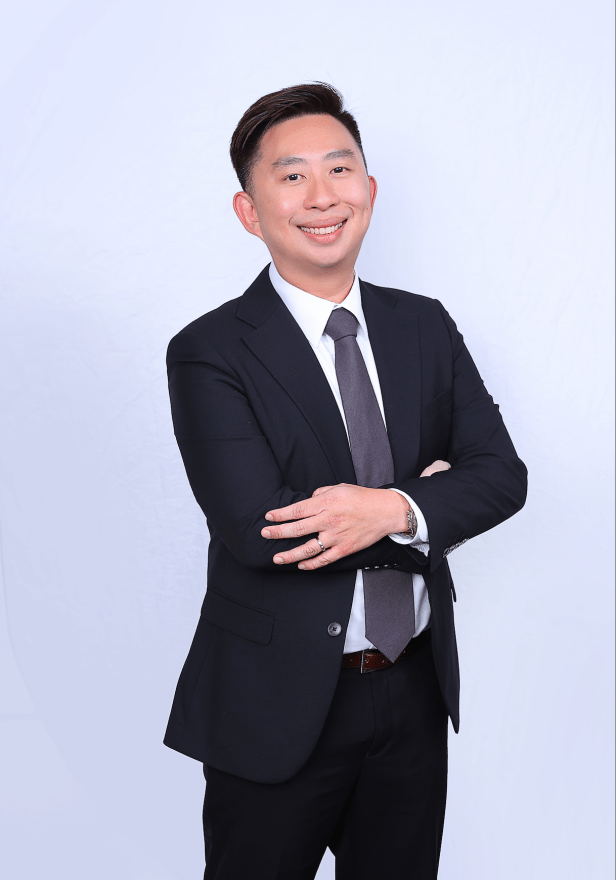
The first step is not to shut down the idea simply because you lack capital. Instead of saying “I cannot afford it”, ask “how can I afford it?” Start by gaining clarity through books, podcasts, or programmes.
What differentiates a profitable property operator from one who struggles?
The key difference is cash flow. Property is fundamentally a cash flow business. If you own properties with negative cash flow, you will constantly rely on active income to sustain them.
However, if you understand how to generate positive cash flow, you can scale effectively. For example, one of my properties was a liability, while my wife converted hers into a co-living asset generating strong monthly cash flow.
When combined, our assets covered our liabilities, allowing us to live effectively for free. The ability to structure properties for positive cash flow is what enables long-term growth.
What has been your biggest mistake in property investing, and what did it teach you?
In 2015, I bought a property based on recommendation without considering my exit strategy. When I wanted to sell in 2018, there were no buyers. I was stuck until 2022. Although I made a small gain, my real loss was opportunity cost. I missed the chance to invest in better properties, losing significant potential upside.
That experience taught me that buying is easy, but exiting is critical. Today, I always evaluate the exit strategy before making any purchase.
If you could give your 18-year-old self one piece of advice, what would it be?
I would focus on learning practical life skills early. This includes property investing, sales, and financial literacy. Sales is especially important for any entrepreneur.
Understanding finance, such as profit and loss and balance sheets, is also crucial. These skills create leverage and open up more opportunities in the future.
What is your vision for Singapore in the next five years?
From a business perspective, we aim to grow to 10,000 rooms, with 7,000 in Singapore and the rest overseas. More broadly, I believe Singapore will continue to attract global talent and capital due to its stability.
With increasing demand for co-living spaces, we want to provide accessible, well-managed housing for both locals and international residents, contributing to Singapore’s growth as a global hub.
If you could have a superpower for one day, what would it be and why?
I would choose the ability to reach more people and create a wider impact. In my journey, I lacked clarity and had to learn through costly experiences.
Today, I want to help others gain clarity faster and avoid similar mistakes. The ability to reach and help more people would allow me to give back at a much larger scale.
Connect with Ernee: BespokeHabitat, TikTok and Facebook.
Ernee is a member of Rainmaker, a revolutionary movement that rallies like-minded people together based on the values of Love, Authenticity, Respect, Kindness and Youthfulness (LARKY).