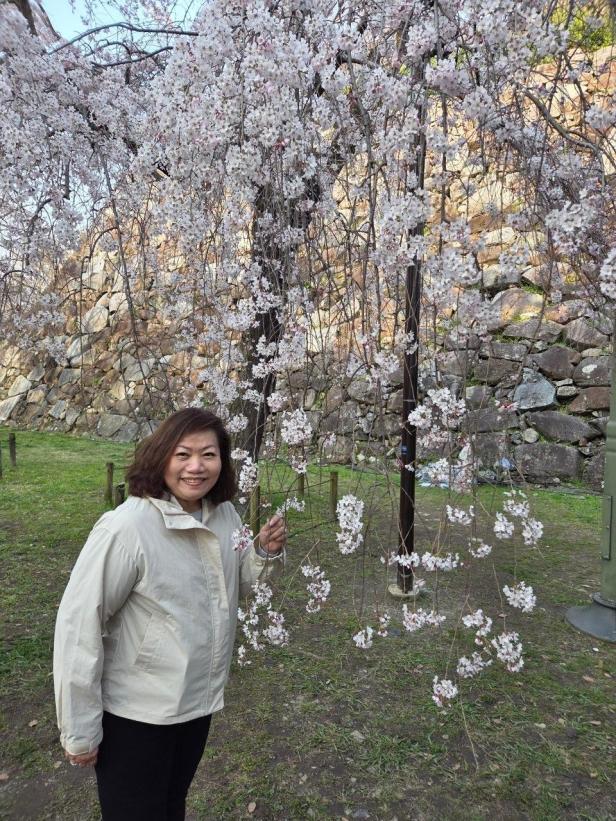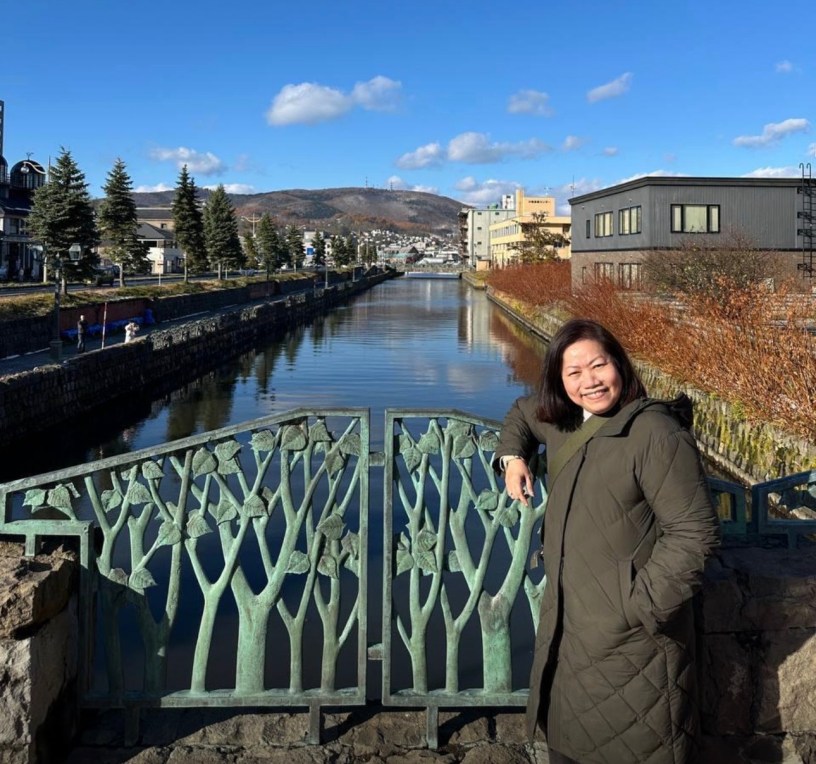
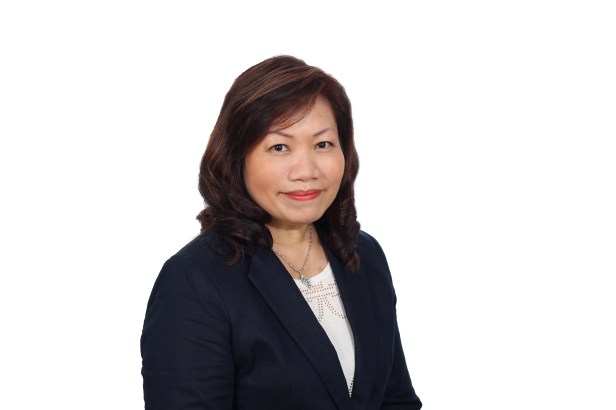
Meet Patrina, founder of Machseh Coaching and Consultancy, who brings over 25 years of adult education expertise to ignite transformative leadership. As an ICF Associate Certified Coach (ACC), she equips individuals and teams to become true change catalysts through driving culture, performance, and growth from within.
Known for her engaging facilitation and cultural insight, Patrina has empowered learners from Australia, Brunei, China, India, Myanmar, Thailand, and Vietnam, ranging from officials and executives to managers and frontline staff. Her credentials, including a Master in Training and Development (MTD) and Advanced Certificate in Career Development Facilitation (GCDF-SG), fuel practical strategies for sustainable success. A devoted mother and entrepreneur’s wife, she embodies leadership through character and purpose.
You often speak about developing “change catalysts.” What distinguishes a change catalyst from a typical employee or leader?
A change catalyst does not wait for direction. They create momentum. A typical employee or leader focuses on doing their job well, but a change catalyst focuses on transforming people, systems, and mindsets. What sets them apart are three things. First, they take ownership beyond their role. Instead of saying, “That’s not my role,” they ask, “What part of this can I influence?”
I once worked with a mid level officer who started a peer learning circle in her own time to help colleagues adapt to new digital tools. She was not in HR, yet she became the internal catalyst that made the transformation stick.
Second, they are reflective practitioners, not just performers. They pause to ask what they have learnt and how they can improve. Those who consistently reflect build the inner agility needed for change.
Third, they multiply change rather than simply manage it. While a typical leader implements change, a change catalyst creates an environment where others feel safe to experiment and grow. Ultimately, it is less about title and more about a mindset of ownership, reflection, and influence.
After more than two decades in facilitation, what have you learned about why most people struggle to change despite wanting to?
People struggle not due to lack of ability, but because of internal resistance. Three key barriers are common. First, competing commitments. Someone may want to delegate but still believe that without control, things will fall apart. Until this belief is addressed, change will not happen.
Second, fear of identity loss. Change can threaten how we see ourselves, such as a specialist resisting leadership.
Third, environments that punish experimentation, where people are encouraged to innovate but penalised for mistakes, making it safer to stay the same. That is why I focus on clear outcomes, small actionable steps, and accountability. Real transformation happens when insight meets action.
What are the most critical leadership traits needed in today’s rapidly changing environment?
Leadership today is less about control and more about adaptability and influence. First, learning agility. Leaders must be willing to say they do not know and remain curious enough to learn.
Second, emotional courage. This is the ability to have difficult but necessary conversations with empathy. Third, inclusivity and cultural intelligence. In diverse teams, leaders must be able to listen across differences and draw out insights from all voices.
For entrepreneurs, I would add resilience under uncertainty. Many capable leaders fail not because they lack knowledge, but because they cannot navigate ambiguity or lead through change.
The key is compassion. When people feel judged, they defend their blind spots. But when they feel safe, they are willing to look honestly and grow.
If you could redesign how organisations develop their people, what would you change first?
I would shift from event based training to process based development. Real growth does not come from one off workshops, but from continuous learning journeys that include pre work, real world application, reflection, and coaching.
Learning should be anchored to real business challenges, and development must be owned by leaders, not just HR. Managers should take responsibility for growing their people through ongoing conversations, not just annual reviews.
If I could change one thing, it would be to embed coaching into the culture, so learning becomes a lived experience that drives real behavioural change.
How do you help individuals uncover blind spots that they are not even aware of?
Blind spots are things we cannot see about ourselves, often protected by our own assumptions. My role is to create a safe mirror. I use multi perspective feedback, inviting input from peers, subordinates, and supervisors. I also listen for recurring patterns in conversations, gently reflecting them back to the individual.
In group settings, I sometimes share real time observations and ask what impact certain behaviours may have on others. The key is compassion. When people feel judged, they defend their blind spots. But when they feel safe, they are willing to look honestly and grow.
What daily habits or practices do you personally believe are essential for continuous growth?
For me, growth comes from small, consistent practices. I prioritise daily reflection by reviewing my conversations and decisions, asking what energised me, where I felt stuck, and what I can improve. I also schedule time each day for learning, whether through reading, listening, or reflection.
I practise self coaching by asking better questions, checking in with my emotions, and taking small aligned actions. Finally, I prioritise presence with my loved ones. As a mother and a wife, my family grounds me and reminds me that growth is not just about achievement, but about who I am becoming.
What is your vision for Singapore in the next five years?
My vision is for Singapore to become a learning nation that is not only skilled but deeply humane. I hope to see workplaces where leaders coach people, not just manage performance, and where psychological safety is the norm.
I also hope individuals are empowered to reinvent themselves continuously as industries evolve. A humane society does not label people as obsolete but supports them in rediscovering their value. I envision more inclusive leadership that embraces diversity across generations and cultures.
Ultimately, success should be defined not just by financial outcomes, but by growth, contribution, and well being.
If you could have a superpower for one day, what would it be and why?
I would choose the ability to let people see themselves as their best and most authentic selves. If people could momentarily see beyond their fears and limiting beliefs, many would make braver decisions, forgive themselves, and pursue what truly matters. Even if they remembered just a fraction of that experience, it could change their trajectory.
In many ways, this is what I strive to do as a coach, helping people see what is already within them through questions, reflection, and encouragement.
Connect with Patrina: LinkedIn and WhatsApp.