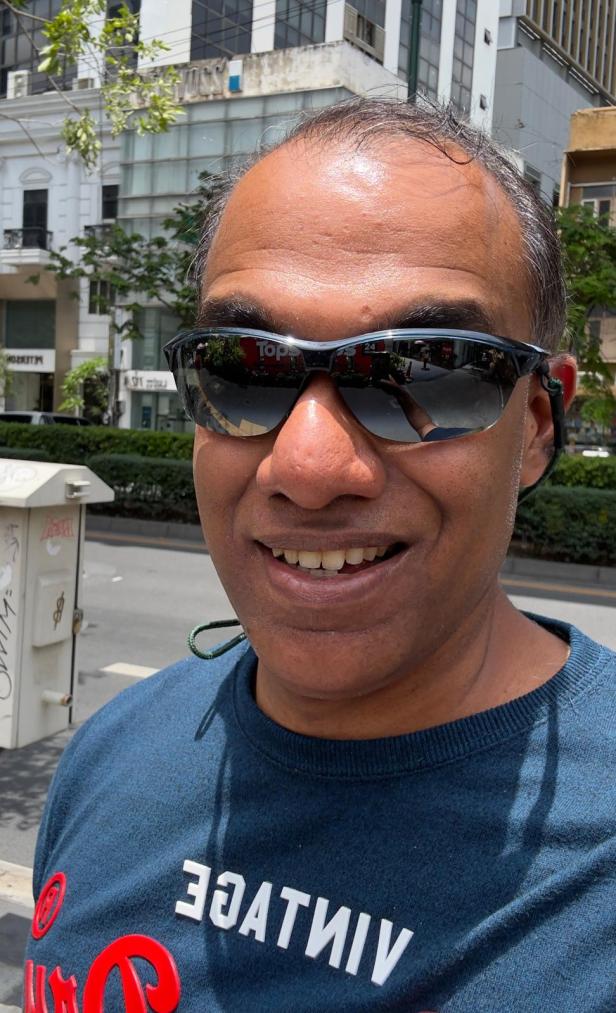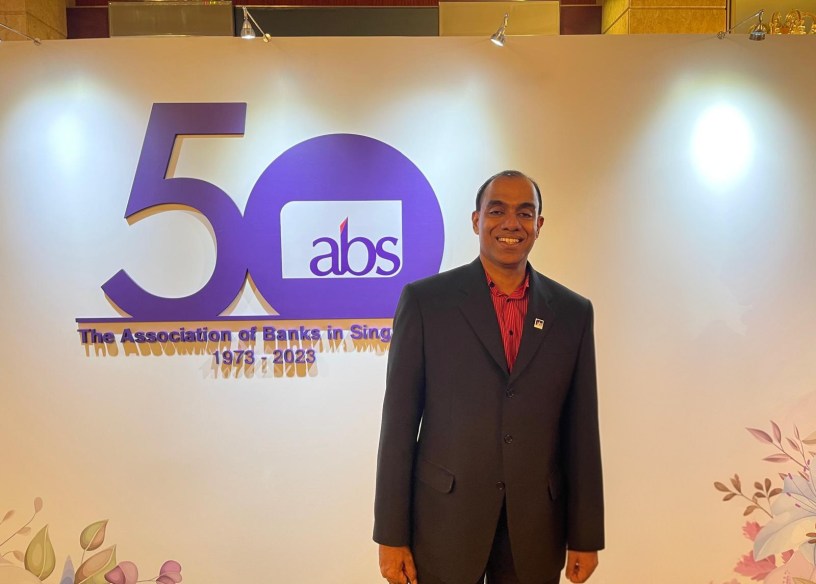
Meet Anand, whose journey was not only shaped by hardship early in life, but also by a powerful sense of responsibility. Raised single handedly by his mother, he grew up without the emotional and financial security many take for granted. That reality later became the driving force behind his determination to build a different future for himself and for the person who had sacrificed everything for him.
Today, with more than 15 years of experience advising public listed companies, Anand brings both strategic insight and personal conviction to his work. Whether discussing investor relations, capital raising, governance, or entrepreneurship, he believes that inner clarity, personal agency, and a strong internal compass are what ultimately shape lasting success.
You were raised single handedly by your mother, who worked hard to put you through school. How did that upbringing shape your perspective on financial security and success?
I only fully understood this later in life. Growing up in a single parent household, my mother carried everything alone, with little emotional or financial support from my paternal side. It was only after I entered the working world that I realised how different my upbringing had been, particularly the lack of emotional security and stability.
Seeing the pressure my mother faced, I also grew up feeling anxious and uncertain. Eventually, I realised that while I could not change my past, I was responsible for my future. To change my circumstances, I had to change myself by building confidence, competence, and a stronger mindset.
That experience gave me drive and taught me that real growth comes from doing the internal work, not relying on external distractions.
With over 15 years of experience working with public listed companies, what do you think companies often misunderstand about communicating with investors?
Many companies treat an IPO as the milestone, but it is only the beginning. After listing, expectations around governance, compliance, and investor engagement increase significantly. While some companies perform well initially, many fail to sustain momentum because they do not understand how to operate and communicate as a public company.
Investor relations is not just about updates, but about understanding investor expectations. Investors want growth, clarity, and a compelling future strategy. Companies must translate their business into an investor friendly narrative, focusing on key metrics and forward looking indicators.
Done well, this builds trust, attracts long term investors, and creates a strong market reputation. Failure to engage or communicate effectively is, in essence, miscommunication.
When it comes to raising capital, the key difference lies in clarity and execution. Capital always comes at a cost, so companies must know exactly how they intend to use it. Strong companies raise funds with a clear strategy and deploy them effectively to create value. Weaker ones often raise opportunistically without a defined plan, which erodes credibility over time.
Companies that articulate both their funding strategy and deployment plan clearly are far more likely to gain investor confidence, not just for one raise, but for future growth as well.
You now run a boutique strategic finance consultancy. What motivated you to start your own firm?
I spent years in investor relations and banking, gaining valuable experience. However, what was missing was ownership. In corporate roles, you can propose ideas, but they are not always carried through, and you often remain an intermediary.
Over time, this limited my growth. I wanted to fully own my ideas, test them, and take responsibility for outcomes. That drove me to start my own firm. It also gave me the flexibility to spend time with my mother during her illness, but ultimately, the key motivation was gaining full agency over my work and growth.

To change my circumstances, I had to change myself by building confidence, competence, and a stronger mindset. That experience gave me drive and taught me that real growth comes from doing the internal work, not relying on external distractions.
Governance is often overlooked by growing companies. What governance practices should founders put in place early?
The foundation of governance is culture. With the right people and clear ownership, governance becomes effective naturally. Too often, it is treated as a top down set of rules, but true governance should be outcome oriented such as by building trust, reputation, and long term growth.
When culture, vision, and alignment are strong, governance works seamlessly. If it needs constant enforcement, there is already a deeper issue.
What do you believe is the most important inner skill entrepreneurs must develop to navigate the future?
In today’s world, market sentiment shifts quickly, investor interest fluctuates, and the external environment is often volatile. There are also endless distractions competing for attention.
I believe the most important inner skill is internal validation. We often hear about external validation, where people depend on outside approval, but entrepreneurs need something much deeper. They need confidence rooted in their own values, beliefs, and sense of direction.
That inner conviction becomes an anchor. It not only keeps the entrepreneur grounded, but also influences employees, partners, and stakeholders around them.
What is your vision for Singapore in the next five years?
One concern I have is that many Singaporeans are raised in systems that reduce personal agency. From school to National Service to the workplace, people become used to following direction and seeking external validation. While structure has its place, over time it can limit initiative and independent thinking, especially in an AI driven world where traditional career paths are less secure.
My hope is that Singapore moves towards greater autonomy, encouraging individuals to take ownership of their lives and develop their unique strengths. A generational shift towards boldness and independence will allow people to stand out and thrive in their own space.
If you could have a superpower for one day, what would it be and why?
I would want the ability to know what people around me are truly thinking about me. Whether in casual social settings, professional meetings, or everyday interactions, I think it would be fascinating to hear people’s most authentic and unfiltered thoughts.
We all try to put our best foot forward, and many people, especially those with high standards, tend to underestimate or underappreciate themselves. Sometimes you may think you are not doing well, when others actually value and respect you more than you realise.
At other times, things you believe are going well may not be received as positively as you assumed. So I think having that feedback loop, in its most honest form, would be incredibly valuable.
Connect with Anand: LinkedIn.