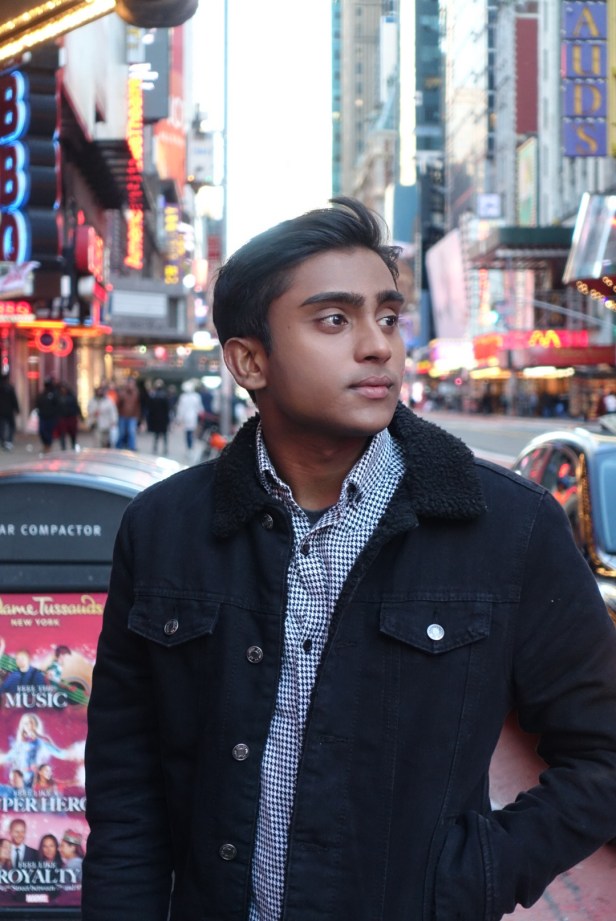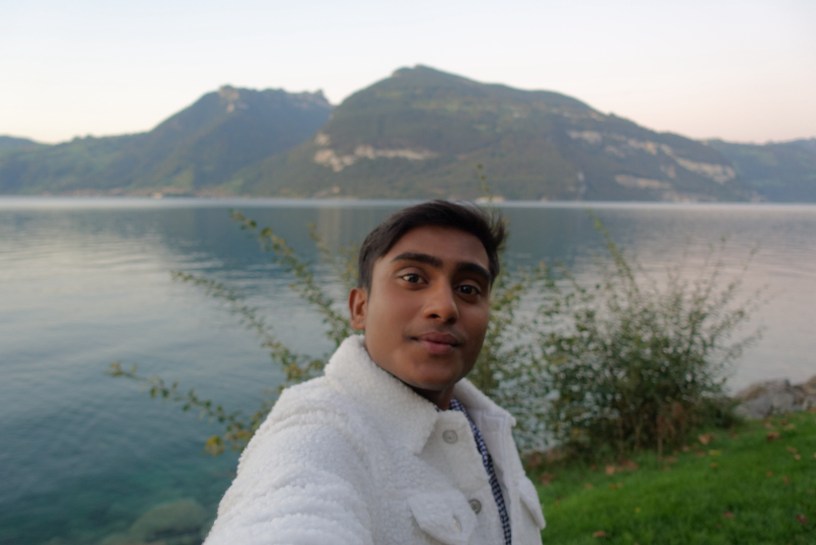
Meet Dino. His life story is one of extraordinary resilience. Born under unusual circumstances and raised through a difficult childhood marked by instability and hardship, he often refers to himself as the “Jungle Boy”. Yet behind that label lies a deeper narrative of survival, reflection, and a determination to transform pain into purpose.
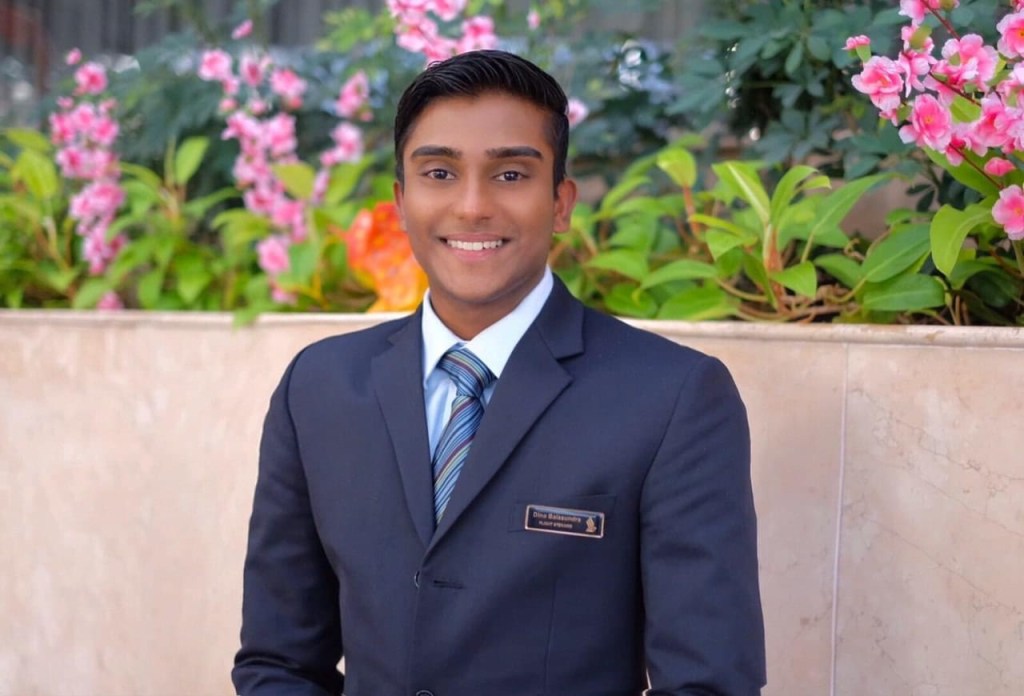
From working as a Singapore Airlines cabin crew member to openly sharing his struggles with mental health and childhood trauma, Dino has chosen to use his voice to help others feel less alone. Today, he hopes to channel his lived experiences into social work and advocacy, believing that healing is not only personal but something that can ripple outward to support others facing similar challenges.
You describe yourself as the “Jungle Boy” because of the unusual circumstances of your birth. How did that identity shape the way you saw yourself growing up?
Because of my very unique birth story and personal background, I always felt, when I was younger, that I was meant to become someone significant in this world. In a humorous way, I sometimes describe it as having a “main character” mindset.
However, that belief slowly faded when I became a young adult and faced the reality of life. I realised that without support during crucial stages of childhood and early adulthood, achieving your dreams can become very difficult.
In Singapore it is still possible, but it requires tremendous resilience. As I entered the real world and had to fend for myself, the idea that I was somehow special slowly gave way to the reality of survival and hard work.
When you look back at the difficult moments in your childhood, what inner strengths do you think helped you survive those years?
One reason I coped was that I was too young to fully understand many of the traumatic events, and my mind naturally suppressed them so I could function.
I also developed the ability to communicate and connect with people. Being outspoken helped me seek support, even if it sometimes led to misunderstandings. Looking back, I am grateful I kept that voice, as it now allows me to advocate for both myself and others.
Becoming a cabin crew member was a turning point in your life. What did that first flight feel like emotionally, knowing where you had come from?
I was honestly shocked when I was accepted into Singapore Airlines. The people around me were surprised as well, especially because everything happened quite quickly. My first flight was to London, and I remember sitting in my jump seat, looking out of the window, feeling overwhelmed. I was the first person in my family to travel to Europe, and suddenly the whole world felt open to me.
I kept thinking about where I had come from. At one point in my childhood, I was living along the highway with my mother when I was only three or four years old. And now I was on a plane heading to London. I felt deeply grateful. For a long time in my life, I had believed I might not live very long, perhaps because I subconsciously thought my suffering would end sooner that way.
But after that first flight, I began to think that perhaps life could be meaningful after all. Travelling and seeing the world gave me a new reason to keep going.
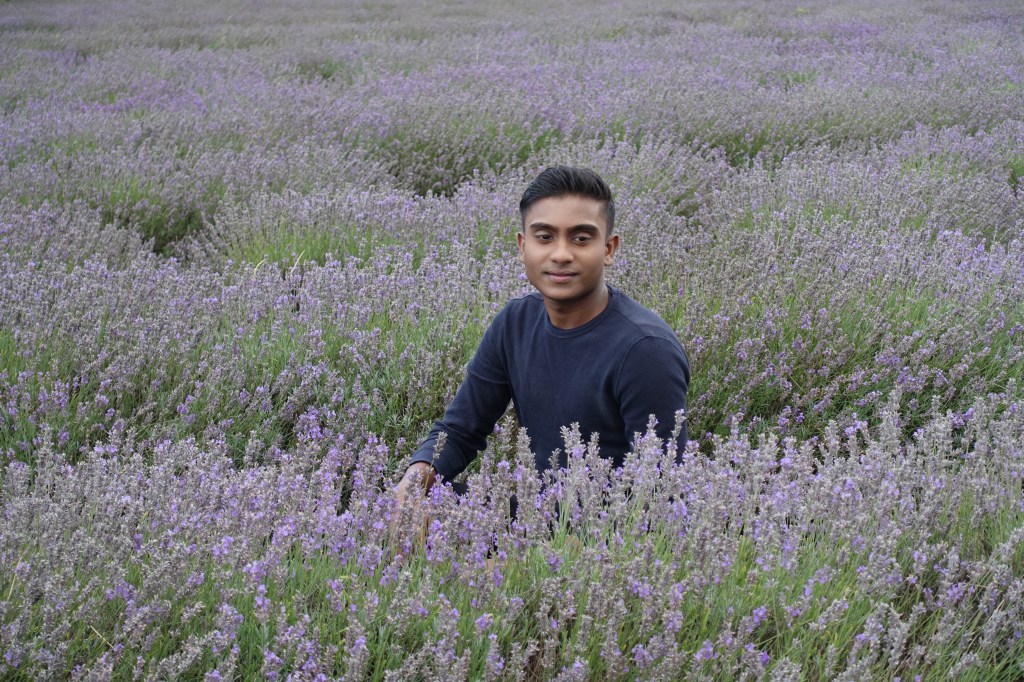
I believe everyone carries unseen struggles, and just because we do not understand them does not mean they are not real. By sharing my story, I hope to raise awareness, encourage people to seek help, and use my voice to support others while continuing my own healing journey.
You have spoken openly about your mental health struggles. Why was it important for you to share that part of your journey publicly?
I have experienced how difficult it is when people do not understand or believe in mental health struggles. When I once shared my suicidal thoughts with my sister, she dismissed them, showing how misunderstood these issues can be and how such misconceptions are often passed down.
I believe everyone carries unseen struggles, and just because we do not understand them does not mean they are not real. By sharing my story, I hope to raise awareness, encourage people to seek help, and use my voice to support others while continuing my own healing journey.
Your experiences eventually inspired you to pursue social work. What made you feel that helping others might be the next chapter of your life?
When I was younger, I never imagined becoming a social worker. The turning point came when I began reflecting on my difficult childhood and questioning why I had gone through those experiences. While working as a cabin crew member, I realised my job did not allow me to find meaning in that past.
It eventually became clear that social work could be that outlet. Having grown up in children’s homes, I understand these struggles firsthand. By combining lived experience with professional training, I hope to advocate for vulnerable individuals, while also using my social media platform to raise awareness and drive change.
If you could speak to your father again, what would you tell him?
I think the one question I would ask him is simply “why?”. Even today, I still do not fully understand why everything happened the way it did. Why was there so much abuse? What struggles was he facing? How did our family end up in that situation?
My father was actually a very intelligent and articulate man. But I was too young at the time to ask the questions that I wanted to ask. If I could speak to him today, I would probably ask many questions that I could not ask as a child. I might even start with something simple, like asking why he named me Dino.
What is your vision for Singapore in the next five years?
After travelling widely, I have gained a broader perspective, yet I still choose to live in Singapore. It is home, where I served National Service and built my life.
However, I hope that in the next five years, Singapore becomes more inclusive and accepting. Some legal and social limitations make it difficult for people to build the life they desire, including having a home. As someone who did not grow up with a stable home, that matters deeply to me. I hope more people can feel they truly have a future here.
If you could have a superpower for one day, what would it be and why?
If I could choose a power for a day, I would probably focus on addressing inequality in the world. There are enormous resources globally, yet many people still struggle while wealth is concentrated among a small number of individuals.
If I had that power, I would redistribute resources more fairly so that fewer people would suffer from extreme inequality.
Connect with Dino: TikTok and Instagram.