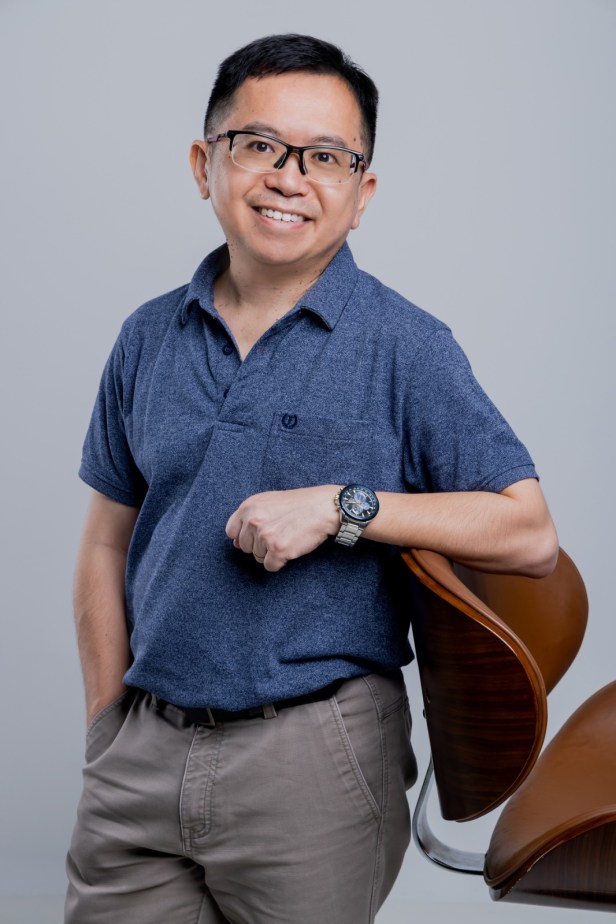
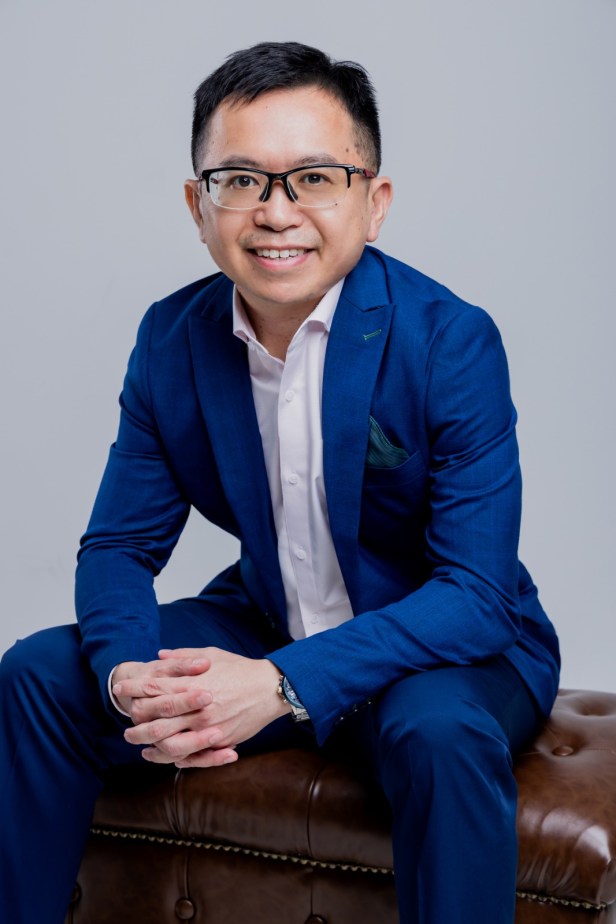
Meet Chik Han, who has spent more than a decade in the demanding world of auditing, leading statutory audits for multinational corporations and SGX listed companies. His experience in an international firm shaped a disciplined and methodical approach to finance, governance, and accountability.
Now the founder of CH Assurance, Chik Han brings both technical expertise and a human centred perspective to the profession. He believes that auditing is not just about numbers and compliance, but about helping businesses operate with transparency, clarity, and long term responsibility.
You have spent a decade at an international auditing firm leading statutory audits for multinational and SGX listed companies. How did those early years shape your professional philosophy today?
I would describe my early years in an international firm as a game changer for my career. I began at a smaller audit firm, but the limited exposure restricted my development as a junior auditor.
Moving to a larger firm made a significant difference. It provided structured training, proper guidance, and exposure to large scale audits that pushed me to build both hard and soft skills.
On the technical side, I developed stronger accounting knowledge and auditing skills. On the soft skills side, I learned how to deliver quality work under extremely tight timelines, often with limited resources and while managing challenging or less experienced clients. Without that experience, I would not be the auditor I am today.
After building a strong career in a global firm, what motivated you to step out and establish CH Assurance?
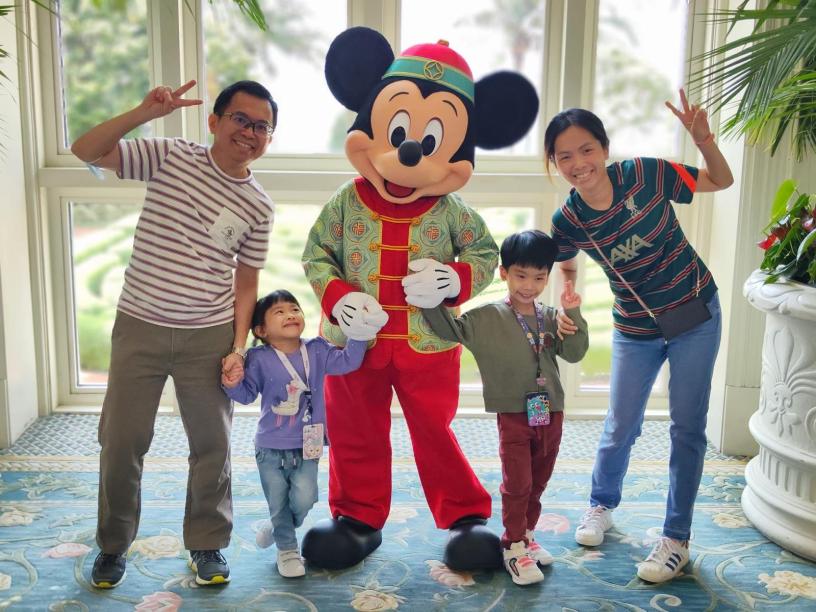
There were two main factors behind my decision. The first was family commitment. At the time, I had a five year old and a two year old child, and managing the long working hours of a global firm became increasingly challenging compared with when I had no family responsibilities.
The second factor was career progression. While global firms offer strong training and technical opportunities, the demands of the role were no longer compatible with my family situation. One aspect naturally influenced the other.
After leaving the global firm, I co founded a new firm with a partner during the COVID period and spent three years building it. However, due to personal reasons, I eventually decided to start my own audit practice rather than continue in the partnership.
You have overseen financial due diligence for mergers and acquisitions. What are the most common red flags businesses overlook during an M&A transaction?
In M&A due diligence, the two red flags I encounter most often are revenue recognition and management estimates. Revenue is frequently overstated through aggressive or premature recognition, especially when performance obligations, meaning the promised goods or services to be delivered, are not clearly assessed.
The other key area involves judgement and estimates, such as expected credit losses on receivables, asset impairment indicators, or unsupported financial estimates.
Our role in financial due diligence is to identify these issues early so that buyers understand the real quality and sustainability of earnings before making their decisions.
Externally, clients appreciate auditors who communicate clearly, ask the right questions, and avoid unnecessary jargon. Our role is not just to check numbers, but also to help clients understand the standards and remain compliant in a practical way.
With increasing regulatory scrutiny, how important are governance and compliance for growing companies in Singapore today?
Governance and compliance remain important. However, for growing companies and SMEs, ACRA has been moving towards reducing regulatory burdens. For example, the audit exemption framework was expanded in 2015 under the small company criteria.
Many smaller businesses can now be exempt from audit if they do not meet two out of three thresholds: revenue of ten million dollars, total assets of ten million dollars, or fifty employees. Overall, the direction has been to keep compliance practical and manageable for SMEs while maintaining necessary oversight.
You emphasise a human centred approach. What does that mean in a field that is often perceived as numbers driven and technical?
When I say human centred, I mean that auditing is ultimately a people business. Internally, my focus is on developing my team by giving them the guidance, skills, and support they need to handle client work professionally.
Externally, clients appreciate auditors who communicate clearly, ask the right questions, and avoid unnecessary jargon. Our role is not just to check numbers, but also to help clients understand the standards and remain compliant in a practical way.
Although the work is technical, it ultimately depends on how we work with people on both sides.
What is the most meaningful experience you have had that has nothing to do with your work?
The most meaningful experience in my life was becoming a father to my first child. The moment he was born was truly a once in a lifetime feeling.
It made me deeply appreciate my wife, especially after witnessing the challenges and complications of pregnancy and childbirth, and seeing her bring our child safely into the world. That experience changed my perspective on life and reminded me of what truly matters beyond work.
What is your vision for Singapore in the next five years?
As a small and open economy, Singapore will continue to feel the impact of global developments, such as shifts in US policy, the conflicts in Ukraine and the Middle East, and broader geopolitical tensions.
Despite these challenges, I remain optimistic. Singapore has strong fundamentals including efficient governance, low corruption, solid national reserves, transparent policies, a competitive tax environment, and a business friendly ecosystem.
In the next five years, I believe Singapore will focus on strengthening resilience, attracting quality investments, and maintaining its position as a stable and trusted hub in the region.
If you could have a superpower for one day, what would it be and why?
If I could choose a superpower, it would be the ability to heal. I would use it to restore the health of my ageing and fragile parents, as well as the people around me. Health is the most precious form of wealth, and having the power to keep my loved ones healthy would mean more to me than anything else.
Connect with Chik Han: CHAssurance and LinkedIn.