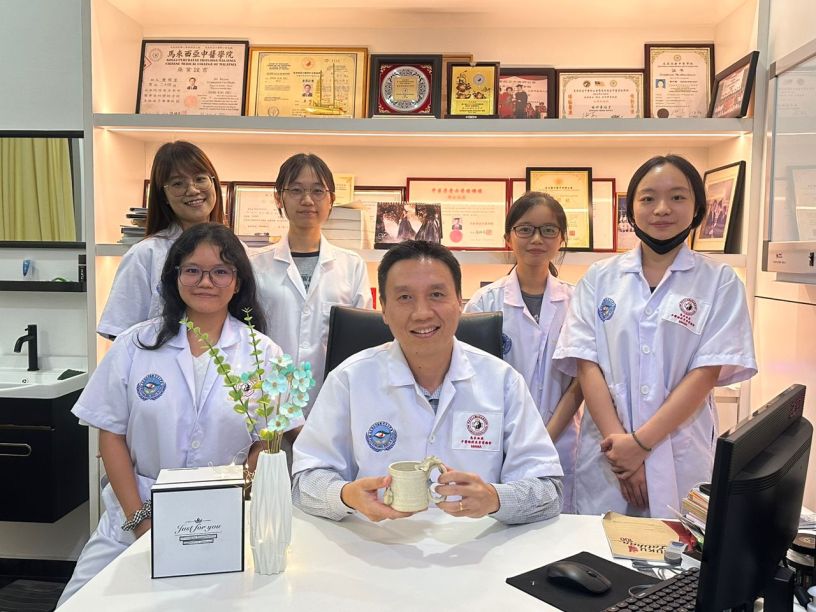
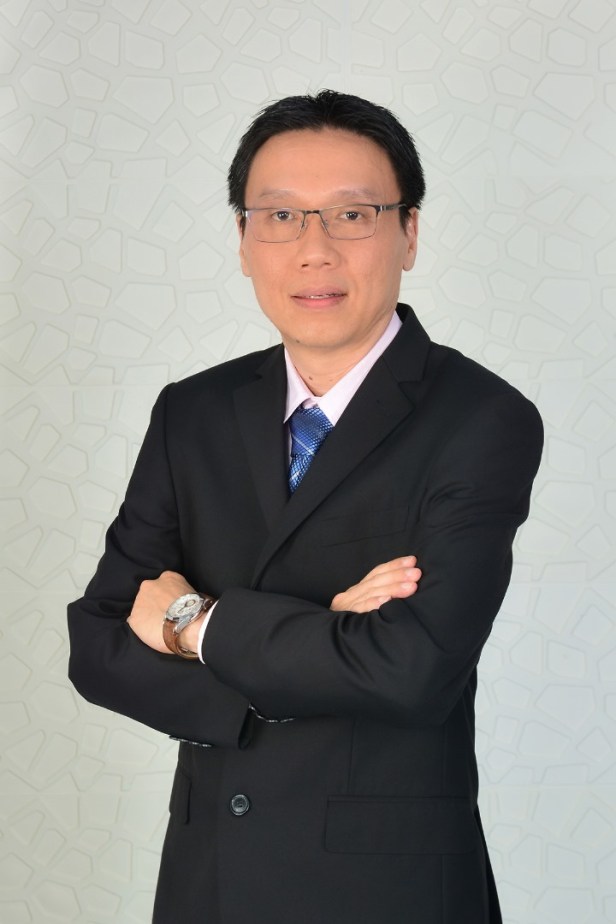
Meet Dr. Kwong. With nearly three decades of clinical experience, he has dedicated his life to the practice of Traditional Chinese Medicine (TCM), guided not only by knowledge and skill, but by a deep commitment to medical ethics. Holding both a Bachelor’s and a Master’s degree from Guangzhou University, his journey into TCM began with a personal story. He was inspired by his father’s recovery through herbal treatment.
Today, Dr Kwong treats mainly elderly patients suffering from rheumatic pain, spinal conditions, insomnia, stress, and other chronic ailments. Yet beyond diagnosis and prescriptions, he believes the true foundation of medicine lies in integrity. For him, healing is not simply about relieving symptoms, but about serving patients responsibly, economically, and ethically.
What inspired you to pursue a career in Traditional Chinese Medicine?
It was mainly influenced by my father. When he was younger, he suffered from neurasthenia. After taking Chinese medicine, his condition improved significantly. He then encouraged me to study Traditional Chinese Medicine. So that’s how it began.
In your clinic, what are the most common conditions patients seek treatment for?
Most of our patients are elderly. Common issues include rheumatic pain, cervical spondylosis, and lumbar spine problems. We also see more modern conditions such as insomnia, stress, and various psychological issues.
For patients with chronic illnesses or those requiring long-term care, how do you usually develop personalised treatment plans?
For chronic conditions such as kidney disease, we typically advise patients to undergo treatment for at least two to three months. The same applies to stroke recovery, where we may use acupuncture and herbal medicine.
However, we operate on a pay-per-visit basis. We do not require patients to sign packages or commit to compulsory treatment plans.
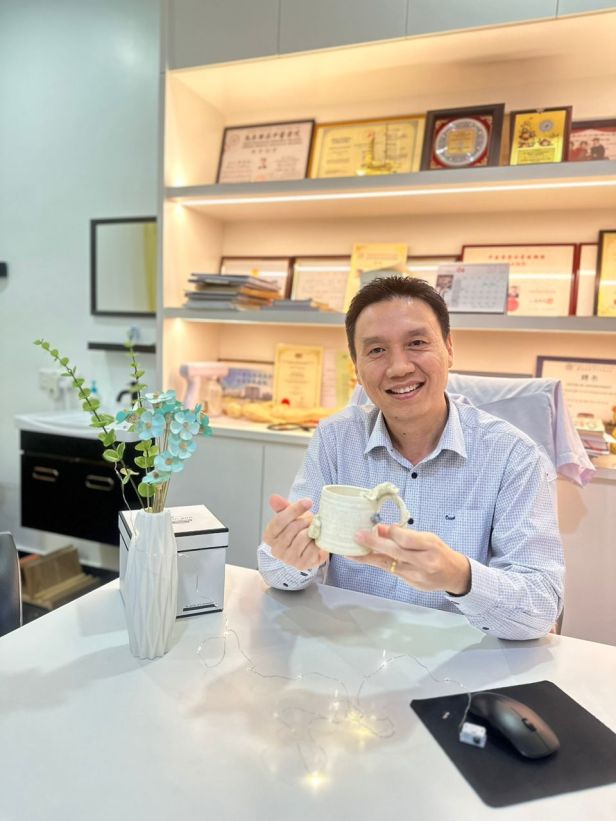
Medical ethics are the most important. A doctor should not focus solely on making money. Instead, the aim should be to help patients recover in the most economical way possible, without unnecessary expenses.
How do you view the role of Traditional Chinese Medicine in modern society — do you see it as complementary to Western medicine, or as a potential part of mainstream healthcare?
I have been practising for nearly 30 years. From my clinical experience, I believe TCM can certainly become part of mainstream healthcare. When patients experience pain, Western medicine often prescribes painkillers, but there may be limited alternatives.
In TCM, we have many treatment options such as cupping, acupuncture, tuina massage, and even modern needle-knife therapy. There are many approaches available.
Many young people today have misconceptions about Traditional Chinese Medicine. What would you like to clarify?
Many young people today have less exposure to TCM compared to the older generation. Previously, families would prepare herbal soups or remedies at home. Now, people tend to prefer fast treatment methods similar to Western medicine.
Because of market pressure, some practitioners may feel compelled to provide quicker solutions to satisfy patient expectations. This can create misunderstandings about TCM.
Some illnesses, however, especially chronic conditions, cannot be resolved quickly. They require time and gradual healing.
Apart from medical knowledge, what qualities must an excellent TCM physician possess?
This is fundamental. Medical ethics are the most important. A doctor should not focus solely on making money. Instead, the aim should be to help patients recover in the most economical way possible, without unnecessary expenses.
We also engage in some charitable work. Personally, I believe it would be better if everyone upheld strong medical ethics.
If you could offer one piece of advice to TCM students, what would it be?
We have been through the journey ourselves. The key is to accumulate clinical experience slowly. See more patients and learn directly from them.
When you encounter cases you cannot resolve, you must continue researching and studying. With more exposure, you will eventually know how to handle different conditions.
What is one thing in life that makes you most proud?
As doctors, especially TCM practitioners, what matters most is not just treating patients, but also being able to help family members and friends. That is something I feel truly proud of. It is not something money can buy. Health is far too important.
If you could have a superpower for one day, what would it be and why?
Having witnessed so much birth, ageing, illness and death, I would wish for the power to solve these fundamental human struggles.
Connect with Dr. Kwong: Facebook.
Health Advice Disclaimer
The information provided on this platform is for educational and informational purposes only. It is not intended as medical advice, diagnosis, or treatment, and should not be relied upon as a substitute for professional medical consultation, advice, or treatment from a qualified healthcare provider.
In Singapore, all health-related content is to be understood as general wellness information and not a substitute for medical consultation. Individuals are encouraged to seek advice from a registered medical practitioner under the Ministry of Health (MOH) before making any healthcare decisions.
