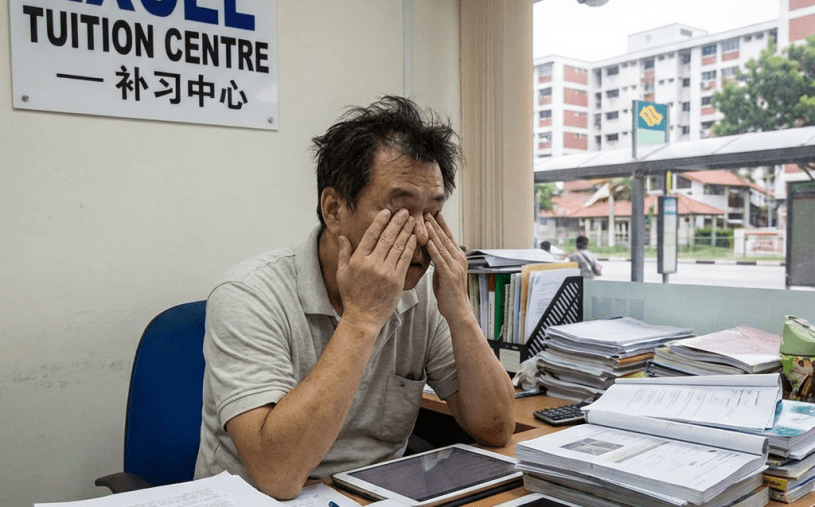
Running a tuition centre in Singapore is often seen as a noble mission to shape young minds. But behind the classroom doors lies a set of structural and operational challenges that test even the most passionate edupreneurs. Based on insights from our interviews, here are the five biggest hurdles tuition centre owners face today.
1. Student Acquisition in a Fragmented Market
The most critical challenge is simple but relentless: getting students consistently. One tuition centre owner stated it plainly, the biggest challenge is getting students. The market remains fragmented, with no dominant platform that clearly signals tutor credibility through structured profiles, credentials, or teaching demonstrations. Parents often rely on trial and error, leading to wasted time and money. In such a competitive landscape, centres must differentiate through clear methodology, visible teaching quality, and smart marketing rather than generic claims of results.
2. Parent Engagement and Expectation Management
Tuition is a high touch service. Parents are decision makers, influencers, and referral sources. Yet communication gaps remain common. Many parents focus heavily on grade improvements, while centres may prioritise deep mastery. Misalignment creates dissatisfaction even when learning progress is real. Centres must manage expectations through structured onboarding, regular progress updates, and transparent communication about outcomes.
3. Teaching Quality and Professional Standards
The tuition industry lacks uniform governing standards. Training and upskilling pathways are inconsistent, and capable educators are scarce. Some founders admit that in early stages quality was not strong, highlighting the need for formal pedagogy and instructional design. Quality drives retention and reputation. Centres must implement structured feedback loops, teaching demonstrations, curriculum reviews, and continuous professional development to remain credible.
4. Founder Bandwidth and System Building
Many edupreneurs begin by wearing multiple hats: teacher, administrator, marketer, and even cleaner. The first few years are often about survival rather than profit. Without systems, founders become bottlenecks that limit growth and service consistency. Scaling requires documented processes, clear team roles, and operational discipline. Small class sizes may enhance quality but also cap capacity, requiring careful balancing of demand and delivery.
5. Technology and Delivery Model Shifts
Technology adoption has reshaped education rapidly. Markets once resistant to online tutoring shifted dramatically during the pandemic. Today, digital discoverability, video previews, and hybrid delivery options are no longer optional. Artificial intelligence and modern tools are creating new expectations for efficiency and personalisation. Centres that fail to adapt risk losing relevance.
The Road Ahead
While demand for academic support remains strong, the pressure to differentiate, professionalise, systemise, and modernise continues to intensify. Tuition centres that build trust signals, invest in teaching quality, manage parent expectations effectively, and adopt scalable systems will be best positioned to thrive in the evolving education landscape.
Source: SGVisionaries interviews
