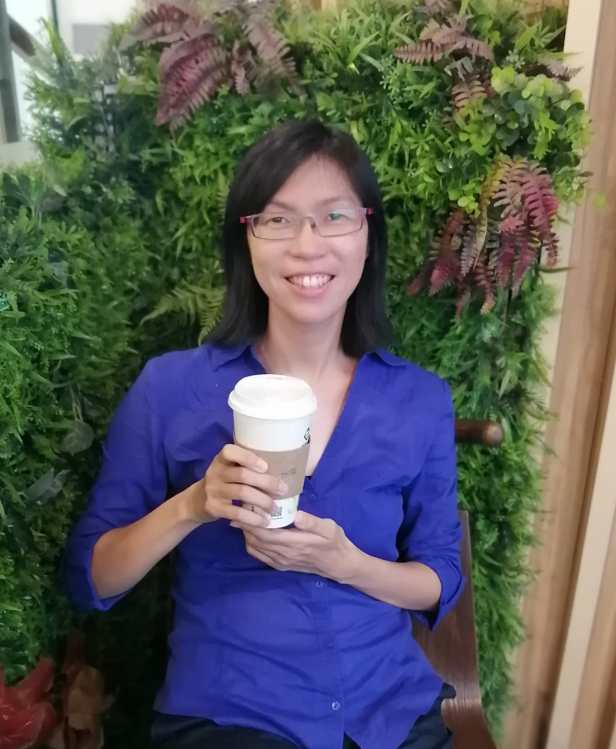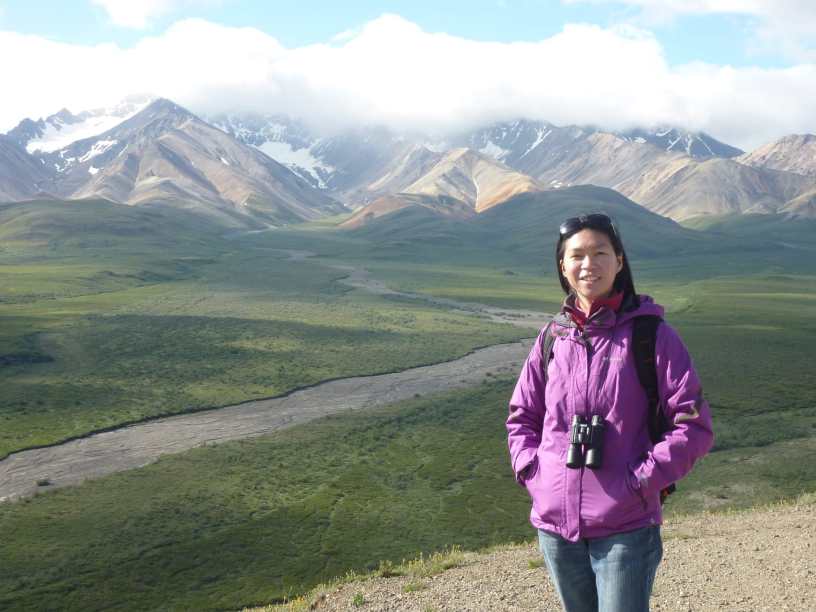
Meet Hung Yi, who has spent the past eighteen years immersed in both corporate strategy and human development, navigating boardrooms, classrooms, and rural villages with equal purpose. As a coach, lecturer, and leadership catalyst, she draws from a career that spans consulting, people development, and cross cultural volunteering to shape how individuals lead themselves and others.
Whether mentoring business leaders or guiding aspiring changemakers at SUSS, Hung Yi believes in the power of doing the right thing, in the right way. Her journey weaves together empathy, systems thinking, and personal growth, anchored by the conviction that true leadership is both strategic and deeply human.
You work across both corporate strategy and people development. How has that combination shaped the way you approach leadership today?
Leadership is not just about tasks or people. It is about both. I had the chance to work with senior leaders when I was at Boston Consulting Group, CapitaLand, and Shopee HR. Through them, I saw how great leaders must hold the big picture, doing the right thing and doing things the right way.
I once coached a senior leader going through company restructuring. She was torn about letting people go. Through coaching, she understood that doing right by the organisation could coexist with caring for people. She became clearer about the values she stood for. While she still had to let people go, she also went out of her way to have one-on-one chats and helped them find jobs. That is leadership to me.
From your coaching experience, what is the biggest mental or emotional block in the professional space when transitioning into a new role?
Many leaders I coach are capable, but limiting beliefs hold them back, especially when stepping into expanded roles. One client went from leading six to thirty people and felt overwhelmed. She cared about the people, but her hands-on approach did not scale.
Through coaching, she shifted her mindset, built structures, delegated, and focused on hiring right. She became more strategic while keeping her values and team culture alive, just in a different way.
For others moving to entrepreneurship, the block is often identity-related: “I am used to structure and KPIs. Can I succeed in ambiguity and figure out my own direction?” It is a mindset shift.
As a leadership and career coach, how do you help individuals uncover and leverage their unique strengths, especially when they lack confidence?
Personality tests help, but they are often generic. Strengths are grounded in our unique history, including childhood activities. My role is guiding people to explore their history, see the patterns, and gain confidence in their strengths.
One client felt lost in her career until we discovered she enjoyed organising creative projects. Though she dismissed it as a hobby, it revealed her real strength: bringing people and perspectives together. She found a role doing exactly that and felt much more aligned. That is how I help people connect the dots to build confidence and direction.
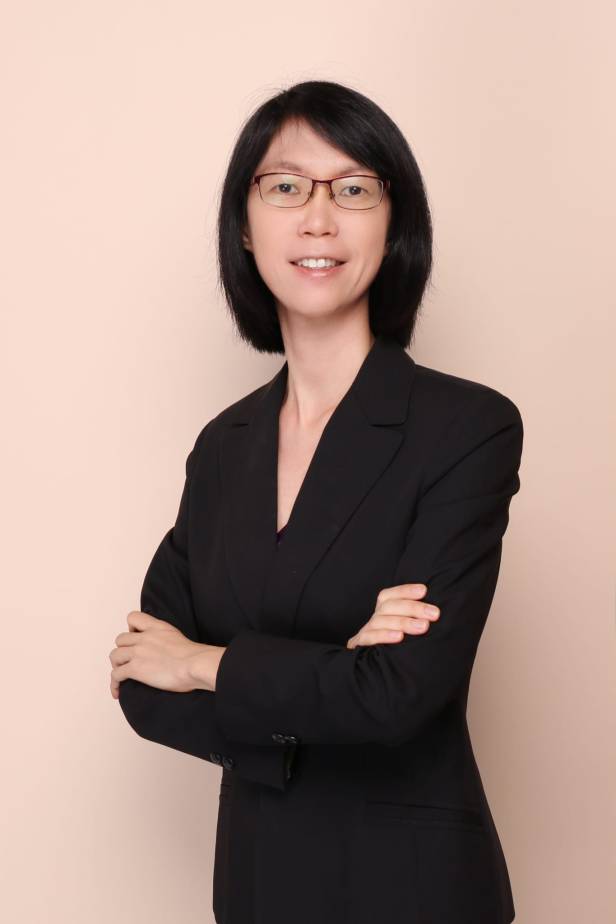
Self-awareness and adaptability are crucial. The biggest threat to a leader’s success is often not external change; it is clinging to their own success formula.
As a lecturer at SUSS, what leadership qualities do you believe future leaders must develop to thrive in an increasingly complex world?
Self-awareness and adaptability are crucial. The biggest threat to a leader’s success is often not external change; it is clinging to their own success formula. Leaders often build careers on certain strengths, but these can become limitations. The hands-on business owner cannot let go. The relationship-builder avoids systems for scaling up. The expert resists learning when markets shift.
A question worth asking is: “Is what made me successful yesterday limiting my impact today?” That self-awareness does not come naturally, especially when you have been rewarded for doing things a certain way. That is what I work on with leaders, helping them see when it is time to evolve.
You do volunteer work in Bangladesh and China. How has volunteering taught you about humility, resilience, or purpose that corporate life alone could not?
I have volunteered in villages in Bangladesh, China, and Central America. Despite real hardship, people overcome obstacles with deep gratitude, giving the best of what they have. That contrasts with our constant striving culture. Their unconditional appreciation actually fuelled their resilience.
It reminded me to slow down, be present, and appreciate life during difficult times. When I work with driven leaders facing setbacks, that perspective helps them reconnect with what truly matters.
What is the biggest mistake you have made in your life, and what did you learn from it?
At a global consulting firm, I worked on an intense multi-million dollar project. Driven to succeed, I worked through nights, barely leaving the office. The project succeeded, but I burned out badly and my health suffered. That experience forced me to re-examine how I work.
I realised real success comes from working effectively and sustainably, not just working hard. That burnout became a turning point for me to explore coaching and figure out how to achieve results without sacrificing well-being.
What is your vision for Singapore in the next five years?
I hope we shift how we relate to change itself. The challenges we face, from AI disruption to geopolitical tensions, are not going away. We cannot just push past them. What would help is building inner capacity for resilience, self-awareness, and clarity.
For some, it could be through coaching; for others, through mentorship, community, or reflective practices. My hope is that we all learn to shift from surviving change to embracing and thriving in it.
If you could have a superpower for one day, what would it be and why?
I would want to see all the invisible barriers that hold people back, including the blind spots and limiting beliefs we cannot see in ourselves. One day of that clarity would be transformational. Sometimes the biggest breakthroughs do not come from learning something new, but from finally seeing what was always there blocking our path.
Connect with Hung Yi: LinkedIn and Instagram.
Hung Yi is a member of Rainmaker, a revolutionary movement that rallies like-minded people together based on the values of Love, Authenticity, Respect, Kindness and Youthfulness (LARKY).