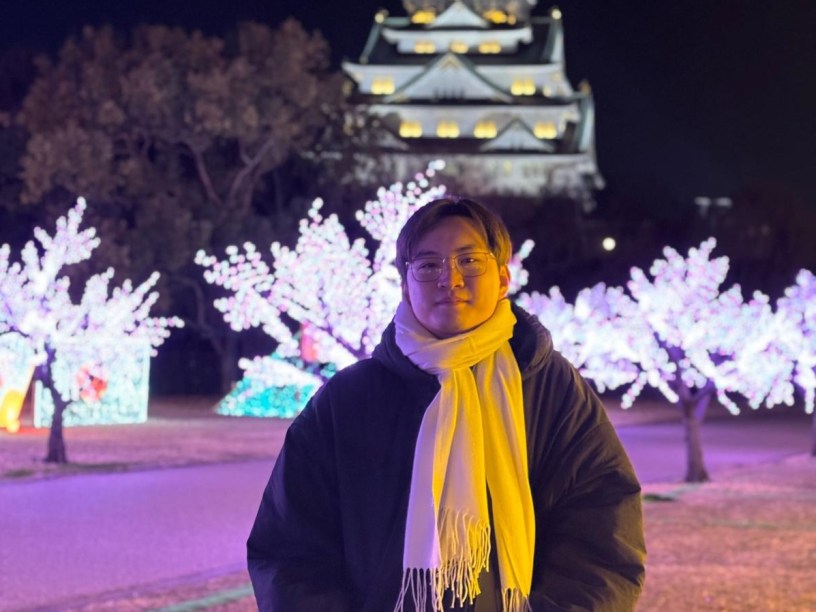
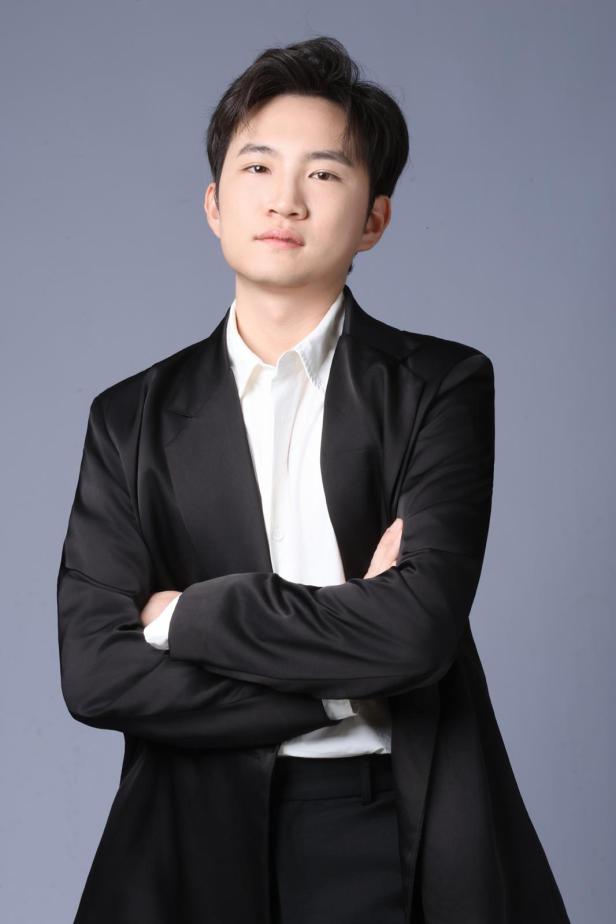
Meet Yong Wei, who has built Buzzfactory around one core belief: that live experiences shape brand perception in ways traditional media simply cannot. From pop up activations to immersive brand environments, his work focuses on turning marketing intent into tangible, memorable moments.
With a background in on ground activations and FMCG (Fast-moving consumer goods) campaigns, Yong Wei combines creative thinking with operational precision. For him, standout events are not just about bold ideas, but about disciplined execution, audience connection, and delivering experiences that people genuinely remember.
Buzzfactory has become known for crafting meaningful experiences. What inspired you to start this company and how did your background shape that decision?
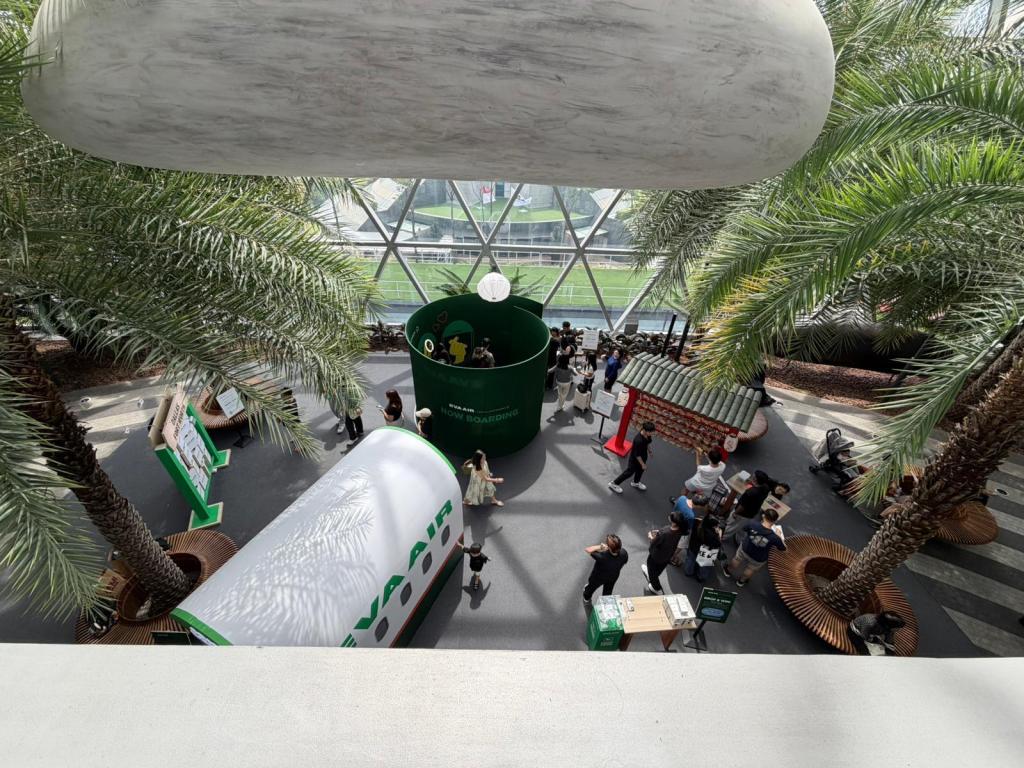
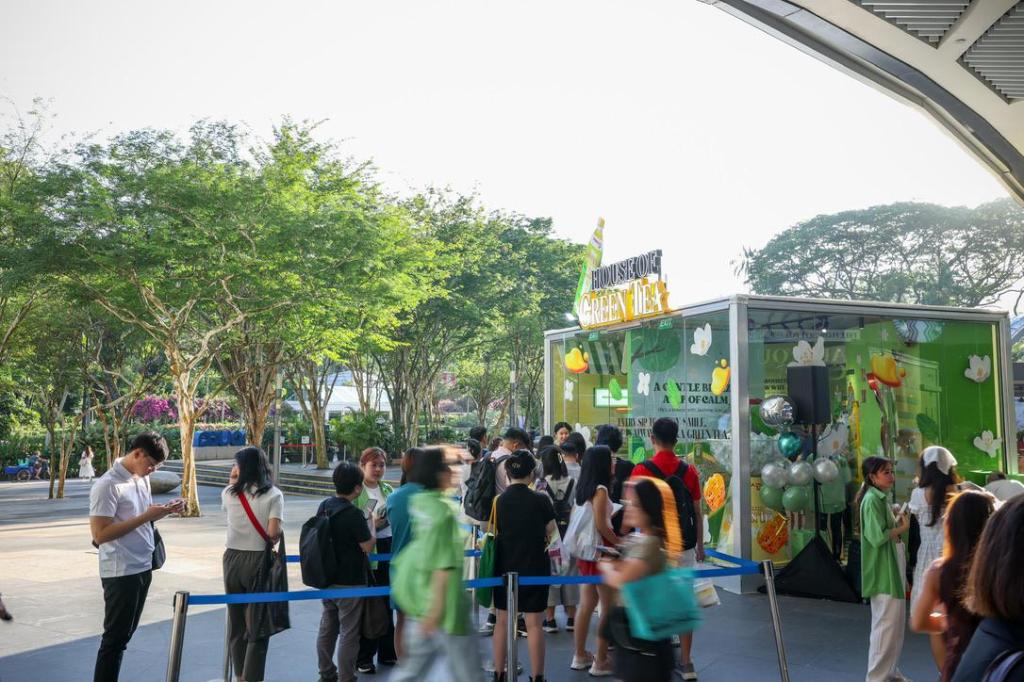
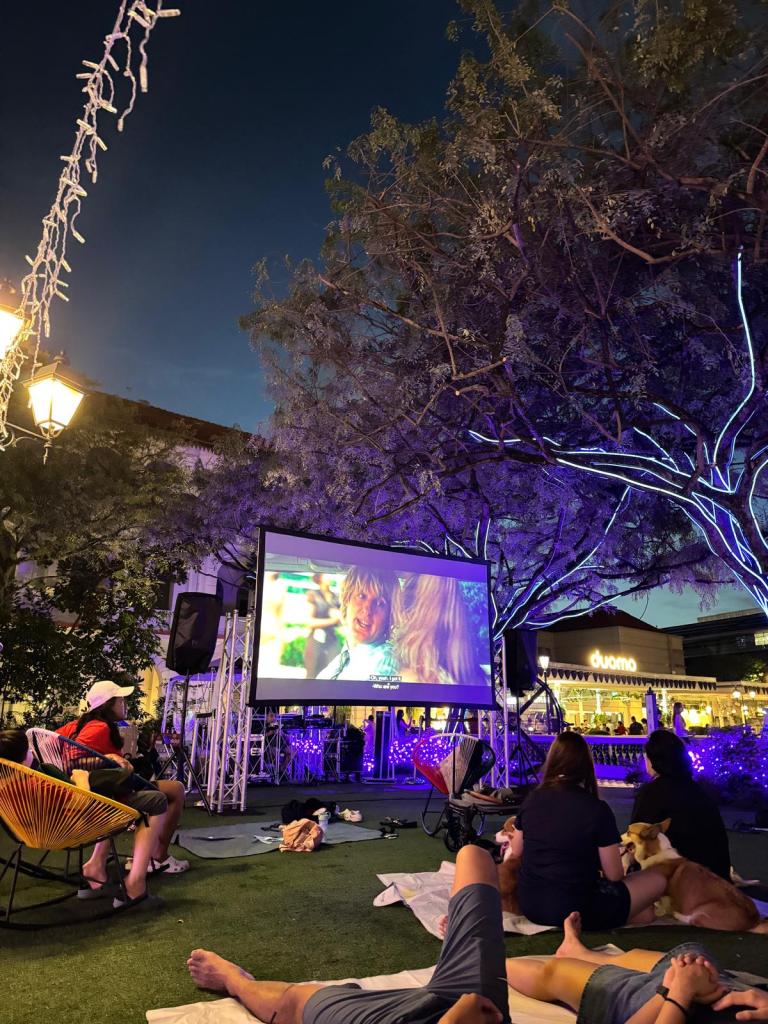
I have always been drawn to physical experiences at events because they shape brand perception in ways traditional media cannot. Experiences are tangible. When you attend an event, you immerse yourself in the environment, the décor, and the overall atmosphere.
Early in my career, I worked on ground activations where people interacted directly with brands, and I saw how immediate and memorable the impact could be. This became even clearer when I entered the FMCG sector, where products are part of everyday routines.
One particularly memorable project was the POKKA pop up store at Plaza Singapura. Experiences like these showed me how powerful live engagement can be. Buzzfactory was built on the belief that creative thinking must be combined with operational precision to turn marketing intent into real world engagement.
It is not just about creativity; the people behind the event are also part of the experience. Our philosophy is simple: a strong idea matters, but disciplined execution is what ultimately makes an event successful.
Looking back at the early days of Buzzfactory, what was the most unexpected challenge you faced in establishing the business?
The biggest challenge was credibility. Past clients who knew my work trusted me easily, but new clients were more cautious. As a new company without an established track record, clients would question whether we could deliver within tight timelines of one or two weeks.
Another challenge was balancing creativity with commercial discipline. In the early days, we wanted to present bold and unconventional ideas. However, not every client was ready for that, especially in Singapore where event production costs can be high due to intensive build ups and set ups.
Clients must consider cost and return on investment, so we had to learn how to align creativity with commercial viability.
Buzzfactory works with diverse clients and audiences. How do you ensure each event remains true to a brand’s identity while still creating standout experiences?
We begin by understanding the brand at a strategic level, its positioning, tone, target audience, and expectations before any creative development begins. We specialise in pop up stores and experiential events, where standout experiences are important.
However, we do not pursue novelty for its own sake. Trends, such as blind box activations, may initially stand out, but when many brands adopt the same approach, the impact diminishes.
Instead, we focus on amplifying what is authentic to the brand and staying aligned with its philosophy.
Events are live, so there is no time for prolonged discussion. The first step is to solve the issue immediately and decisively. We avoid looking for someone to blame, as panic only worsens the situation.
When you first engage with a client, what key questions or frameworks do you use to understand their event goals?
Our approach is straightforward. First, we clarify the objective of the event and the business outcomes the client is seeking. Next, we identify the target audience and understand what will motivate them to attend.
We then discuss measurement and return on investment to determine what success looks like. Finally, we review constraints such as budget, timeline, and operational feasibility.
Many events aim to foster community and connection. How do you measure success beyond attendance numbers and revenue?
Attendance is a baseline metric, but we look at more meaningful indicators such as engagement levels, dwell time, and sentiment feedback from attendees.
Organic sharing is also a key measure. While brands can engage key opinion leaders to promote events, we value genuine sharing by everyday attendees. When people post about an event on their own social media and encourage their friends to attend, that creates authentic momentum without additional marketing spend.
We also assess whether the event has shifted audience perception or behaviour towards the brand in a positive way.
When things do not go according to plan, what is the first step you take and how do you ensure your team stays composed and focused?
Events are live, so there is no time for prolonged discussion. The first step is to solve the issue immediately and decisively. We avoid looking for someone to blame, as panic only worsens the situation.
We focus on resolving the problem, then monitor the solution and assign clear roles so everyone knows what to do. Maintaining calm leadership is crucial. If the team lead panics, the rest of the team may freeze. Clear direction and composure keep the team focused.
What is your vision for Singapore in the next five years?
Singapore is well positioned to lead in experiential events and innovation, especially with the integration of hybrid physical and digital engagement. Many events now combine on site experiences with digital interactions.
I hope to see continued support for local creative enterprises and greater openness to utilising public spaces for diverse experiential events. With our infrastructure and audience diversity, Singapore can become a strong testing ground for innovative event concepts.
If you could have a superpower for one day, what would it be and why?
I would choose the ability to slow down time. Event timelines are compressed and the margin for error is small. If an unexpected situation arises, such as an injury, slowing down time would allow us to respond carefully and minimise risk.
It would also give us more time to refine details and anticipate potential issues during set up, tear down, or the live event itself.
Connect with Yong Wei: BuzzFactory and Instagram.