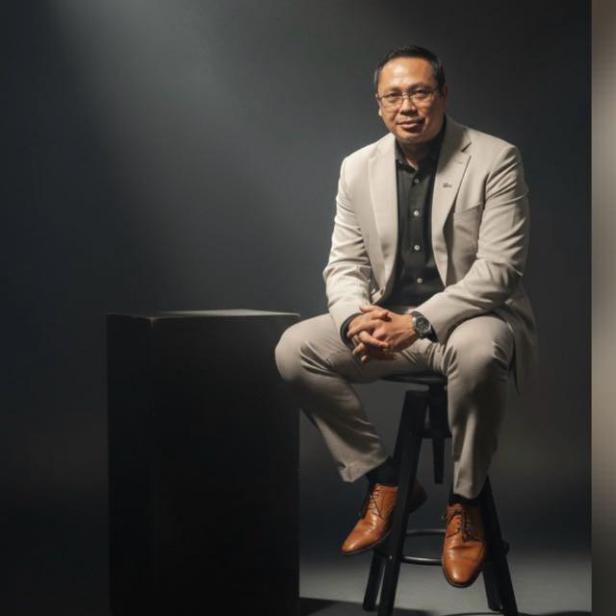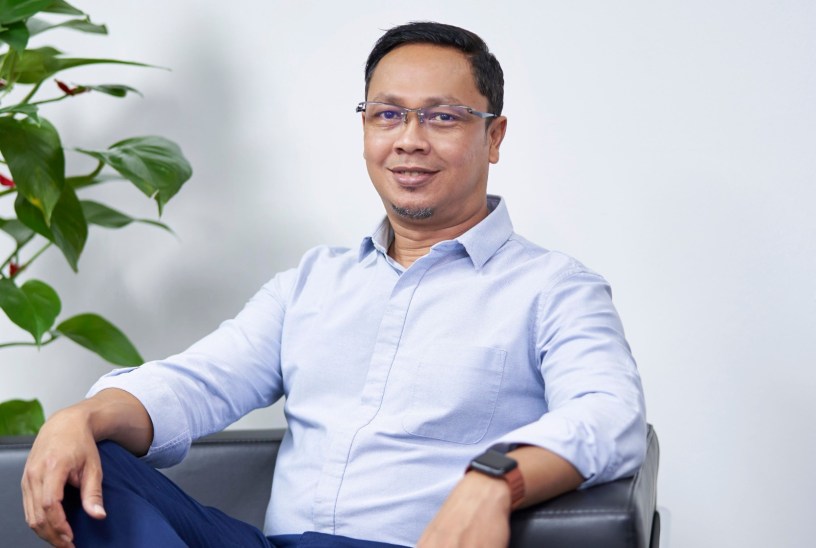
Meet Tahir, who leads with discipline, humility, and a deep understanding of the ground realities of logistics. Rising from dispatch rider to director, his journey reflects resilience, operational mastery, and an unwavering commitment to service excellence.
At Zhenghe Logistics, Tahir’s mission is clear: to make logistics predictable for customers and sustainable for his team. In an industry defined by complexity and disruption, he focuses on reliability, communication, and building long term trust across markets.
What attracted you to join Zhenghe Logistics and how has your journey here shaped you as a leader?
What attracted me was not a plan but the journey itself. I started as a dispatch rider within the same group, in the marketing arm supporting coconut manufacturers. I was later given the opportunity to learn logistics and shipping, and I continued taking the next step. Over time, I worked my way up through operations and fell in love with this line of work.
That journey shapes how I lead today. I stay close to the ground and do not lead from a distance. I lead from what really happens at the warehouse, at the gate, and at the port. That is where the real world is. Working with people at different levels taught me how to read personalities, understand different perspectives, and understand myself better.
When I was trusted to run the company almost as if it were my own, I felt genuinely grateful. That level of trust is not something you take lightly. I did not come with perfect management experience, but I learned quickly, took responsibility, and focused on delivering results.
In your role as Director of Zhenghe Logistics, how do you define your core mission and contribution to the company’s success?
My mission is to make logistics predictable for customers and sustainable for our team. That balance is what I care about most. My contribution lies in building the operating rhythm that makes this possible through clear processes, discipline, cost control, and a strong service culture.
Most days, I align people, systems, and partners so that shipments move smoothly, time issues are resolved, and customers feel looked after. At the same time, I remain honest about where we are. Our success so far has largely been driven by serving our core client, one of the largest integrated coconut manufacturers, and using that as a base to grow into the wider market.
What has been the biggest challenge you have had to navigate and how did your team respond?
The biggest challenge has been people and communication. As a leader, I constantly balance different expectations. Sometimes I am leading the team, sometimes managing the business, and sometimes doing both at the same time. I cannot please everyone, but I must keep everyone aligned.
Operationally, the hardest moments occur during logistics disruptions. Delays happen, but what breaks trust is poor communication. When customers feel surprised or left in the dark, confusion grows. As a team, we improved our communication by escalating issues faster, appointing one clear point of contact, providing clear updates, and telling customers the truth early together with options.
Customers can accept bad news, but they do not accept surprises.
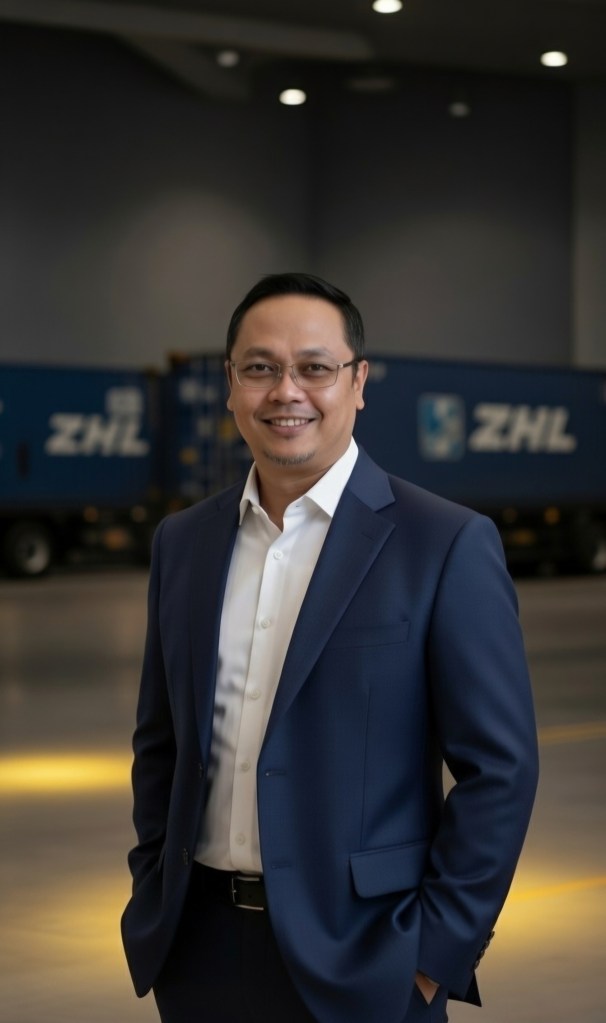
Sometimes I am leading the team, sometimes managing the business, and sometimes doing both at the same time. I cannot please everyone, but I must keep everyone aligned.
Data, efficiency and reliability are core to logistics success. What metrics or key performance indicators do you prioritise to ensure Zhenghe remains competitive and dependable?
Our KPIs focus on two areas at the same time: customer experience and operational discipline.
Key metrics include on-time performance from collection to final delivery; response time for RFQs (Requests for Quotation) and daily operational matters; documentation accuracy and error rates; cost per shipment and margin per job to ensure profitability while remaining competitive; damage or claim rates and how quickly incidents are resolved; and customer retention, as repeat business indicates that the service is working.
These KPIs matter because they connect directly to reliability, profitability, and trust.
What principles guide you when building trust and long term collaboration across cultures and markets?
Trust is built in the same way across cultures and markets. First, keep your word, especially on small matters. Consistency in small promises builds confidence in larger commitments. Second, be transparent about costs, timelines, and risks. No one likes surprises.
Third, respect how your partners work. Different markets communicate and make decisions differently. I observe and learn their style first. I do not enter negotiations trying to win once; I aim to build repeat business. Cross border logistics runs on relationships. When trust is present, things move faster with less friction and lower cost.
What keeps you awake at night?
I am used to long days and early mornings. What keeps me awake are two things. First, service failures that may impact a customer’s business. In logistics, one delay can trigger a chain reaction. Second, operational gaps that seem small but, if ignored, can turn into major incidents.
Like any business, there are also concerns about sales, growth risks, cost inflation, margins, and talent retention, as turnover affects stability.
What is your vision for Singapore in the next five years?
My vision is for Singapore to remain known above all else for reliability. Not just as a hub, but as the most trusted hub. To achieve that, several areas must progress together: stronger digital trade flows to reduce manual errors and improve productivity, better skills development for logistics talent as the industry becomes more complex and intelligent, and sustainability that supports businesses in transitioning rather than punishing them.
Singapore succeeds when we are trusted, fast, compliant, and adaptable. On my side, I invest in training to strengthen my team in compliance, customer handling, and data discipline.
If you could have a superpower for one day, what would it be and why?
I would choose the ability to see problems before they happen across the entire supply chain. The best logistics is not heroic firefighting but quiet prevention. With that power, I would identify bottlenecks early, fix weak handovers, and eliminate small issues before they become major problems.
Prevention protects customers, profit, and people. That is the superpower I would use.
Connect with Tahir: LinkedIn.