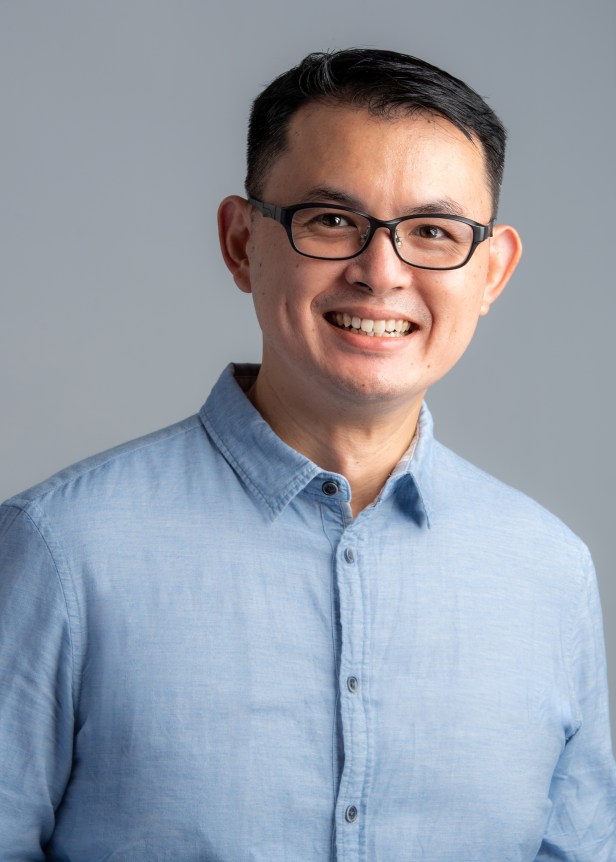
Meet Jason. He has taught over 3,000 students across 18 years, but his impact extends far beyond the classroom. A veteran mathematics educator and community builder, he has positioned himself not just as a tutor, but as a reformer working to professionalise and strengthen Singapore’s tuition ecosystem.
Driven by a blend of business acumen and educational conviction, Jason believes that tuition should move beyond grades and rote learning. Through frameworks, community building, and industry advocacy, he is shaping a more collaborative, standards driven, and future ready tuition landscape.
You have taught over 3,000 students in 18 years. What inspired you to enter the tuition industry?
I attribute much of it to my parents’ influence. My father is a businessman and my mother is a career school teacher. From a young age, I wanted to make them proud.
To me, the tuition industry represented a blend of both worlds, which are business and teaching. It allowed me to make an impact while having the freedom to implement my own ideas and build my own client base.
That combination was very attractive to me. Without realising it, I have already been in this industry for 16 years. Time really flies. That is what inspired me to enter and remain in this field.
Can you tell us more about your LEAP framework and why structured reasoning is more powerful than rote memorisation?
The LEAP framework crystallised through my experience teaching mathematics. Logic gives students the ‘why’. Rather than memorising formulas, they must understand first principles. Only then can they become agile problem solvers.
Example focuses on communication. Many students understand concepts but struggle to articulate their thinking. In real life, if you cannot communicate your ideas, collaboration becomes difficult.
Analysis trains comprehension and problem breakdown skills. Students must learn to dissect unfamiliar problems calmly and apply what they know. Practice, though less glamorous, internalises skills. In neuroscience, this is called chunking.
You call yourself the ‘architect’ of the Singapore tuition ecosystem. What structural problems in the tuition industry compelled you to step into that role?
When I first started 16 years ago, I wanted to upgrade myself through professional courses, but I could not find any suitable ones. Most development courses were designed either for general industries or for MOE teachers, and these were not open to private tutors.
So the first structural gap was training and upskilling. The second was infrastructure. A key need for tutors is access to classrooms, yet suitable co sharing or co working spaces tailored for tutors were limited. Three years ago, I started a co working space called Tutor Storey, where tutors could rent classrooms by the hour. At the end of last year, we handed it over to new operators.
Another major issue is the lack of standards. Unlike industries such as insurance, where professionals must take exams and join associations, there is no governing standard for tutors. While some may see regulation as troublesome, it actually strengthens industry perception and professionalism.
There are other pillars such as marketing. At present, the market is fragmented, with various tuition agencies but no dominant platform where tutors can showcase credentials, teaching videos, and experience in a structured way, similar to LinkedIn.
Another pillar is parent engagement. Tutors ultimately serve parents and students, yet communication gaps remain. I believe greater dialogue and collaboration between tutors and parents would better serve learners.
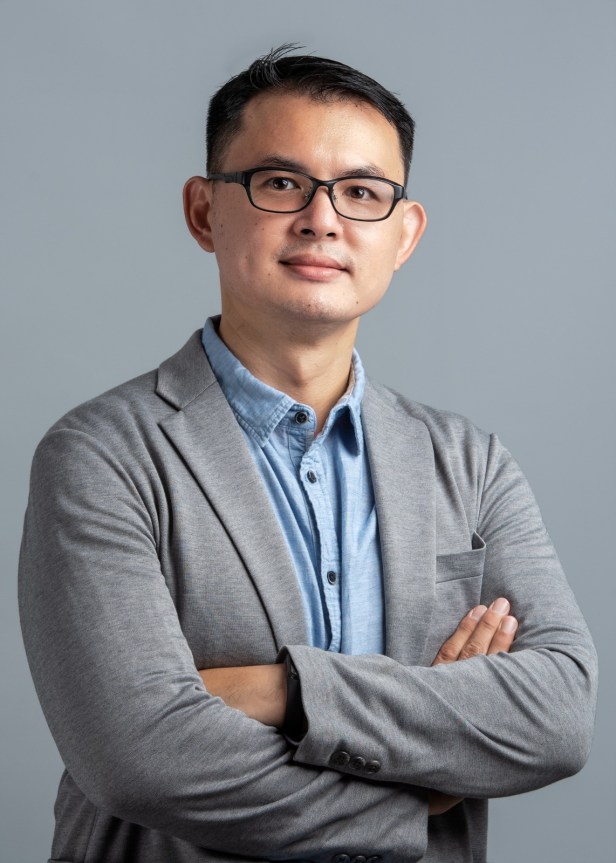
I believe we need to move away from the pressure cooker model and the relentless chase for grades that brought us to where we are today.
As a media contributor and author, what message do you believe Singapore most needs to hear about education today?
I believe we need to move away from the pressure cooker model and the relentless chase for grades that brought us to where we are today. The world has changed. Lifelong employment is no longer guaranteed, and even universities face disruption.
A certificate alone does not guarantee success. The younger generation needs agility, fast learning ability, and strong problem solving skills. Yet we remain overly fixated on grades, distinctions, and entry into top universities, as if these alone determine life outcomes.
We need to rethink and redefine education for the future.
The tuition industry is traditionally competitive. How did you build a 1,800 strong tutor community based on collaboration rather than rivalry?
When I first entered the industry, I saw only competitors around me. I assumed no one would help me. However, I later realised that mindset was the issue. Many tutors wanted connection but assumed others did not.
One day, while waiting for a student, I discovered Meetup.com and decided to organise a gathering for tutors. Within days, 200 joined the group. At our first session, 20 tutors met at Starbucks and spoke for hours. That experience showed me that tutors craved connection and support.
Unlike school teachers, private tutors often work alone with no colleagues. Their schedules also differ from other professions, making socialising difficult. Building the community required collective effort. I am grateful to my co-founders and moderator team who work hard to sustain it. It is not a one man show.
What sacrifices did you have to make to achieve what you have today?
do not feel I have achieved a great deal yet; what I have done are small steps towards a larger vision. However, pioneering ideas requires sacrifice. In 2017, I decided to pursue online tutoring, which at the time felt like science fiction. Many parents doubted it would work.
To push through, I endured long periods of low income. In 2017, 2018, and even early 2019, it was difficult to secure students. I questioned whether I should abandon the idea and return to traditional home tutoring. If not for Covid, things might have been very different.
When the pandemic forced everyone online, it validated the model I had believed in. Sacrifice often means persevering when others doubt you and when financial rewards are uncertain.
What is your vision for Singapore in the next five years?
I became a Singapore citizen two years ago, after being a PR since I was 13. I see Singapore as a miracle built through careful planning, hard work, and capable governance.
In the next five years, I hope Singapore continues to think ahead and pilot new ideas. We have often anticipated trends early and positioned ourselves as leaders in areas such as desalination, urban planning, recycling, and education.
I also hope that rising costs become more manageable so that life remains sustainable for everyone.
If you could have a superpower for one day, what would it be and why?
I would like the ability to read minds. I enjoy meeting people and listening to their life stories, but time is limited and deep conversations can be draining. I am naturally curious about what others think and feel.
If I could understand people’s inner worlds instantly, like Professor Charles Xavier in X Men, it would satisfy that curiosity.
Connect with Jason: Facebook, Instagram and TikTok.