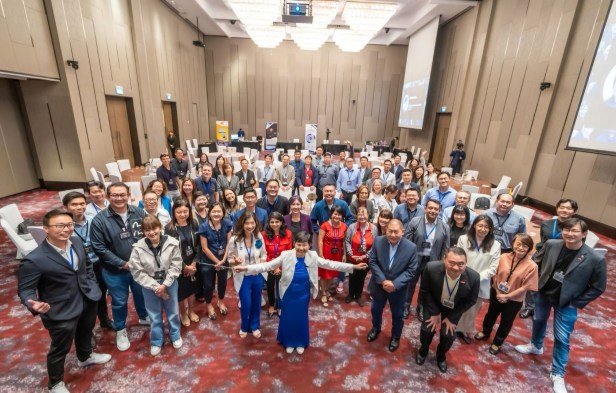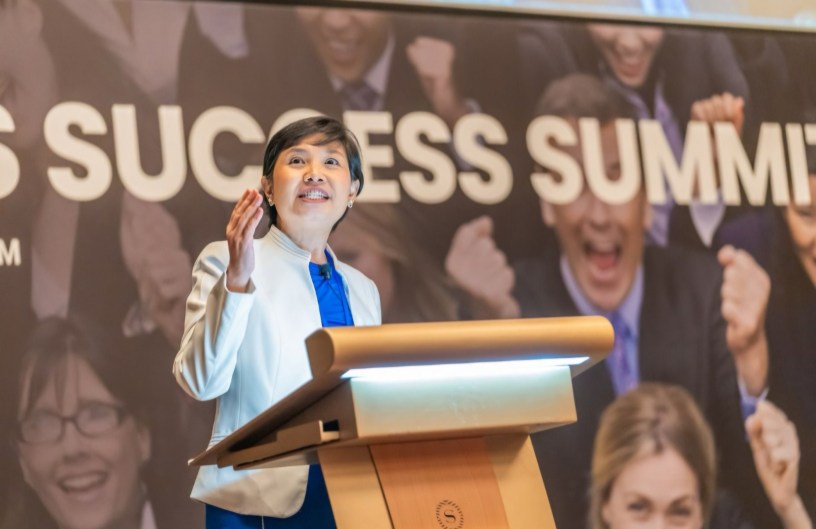
Meet Christina, a seasoned sales leader with over 25 years of experience across global organisations such as IBM and ST Engineering. Having worked extensively with both MNCs and SMEs, she brings deep strategic insight, hands-on sales expertise, and a passion for enabling sustainable business growth in today’s increasingly competitive market.
As the founder of Sales Symphonyᵀᴹ, Christina helps organisations and professionals elevate their sales performance through structured methodologies, digital credibility, and authentic relationship-building. Her work focuses on empowering sales teams to win with confidence, clarity, and consistency, especially in a rapidly evolving, digitally driven economy.
After 25 years in sales and leadership roles across global organisations like IBM and ST Engineering, what was the defining moment that made you decide it was time to start Sales Symphony?
I have always been immersed in an entrepreneurial environment. My grandparents were entrepreneurs, and from a young age, I knew I wanted to start my own business. The challenge was timing and clarity around what I wanted to offer. As my career progressed, I saw recurring patterns across both SMEs and MNCs. One defining moment came when I observed a surge of cold calls during the early days of outbound calling.
Many callers worked extremely hard, yet their efforts did not translate into results because their approach and techniques were ineffective. What struck me was that they were unaware it was not their effort, but their method, that was holding them back. This revealed a clear gap in the market. Over the years, I moved across multiple organisations, buying and selling, managing teams, and engaging with salespeople in every new environment. I consistently felt that many sales professionals could perform far better with the right techniques.
That was when I decided to start Sales Symphonyᵀᴹ, using the sales methodologies I had refined over two to three decades to help people achieve results worthy of their effort. Having worked with Enterprise Singapore and understanding that SMEs form the backbone of Singapore’s economy, as well as global organisations, I wanted to enable both local and regional sales teams to perform better and, in turn, contribute to national and international economic growth.
What are the most common sales mistakes you see entrepreneurs and professionals make?
One of the most fundamental mistakes, especially in technology companies, is confusing product expertise with sales capability. Many assume that product training equals sales training, but without the ability to secure meaningful conversations, product expertise never gets a chance to shine. Sales must first drive pipeline creation before closing opportunities.
Another common issue is a fragmented sales approach. Many sales programmes focus on isolated skills, yet real sales conversations require a blend of rapport-building, questioning, branding, trust, and adaptability to different buyer behaviours and competitive pressures. Without a structured and flexible sales approach, win rates decline.
A third mistake is failing to hire the right sales talent. Businesses often overlook the distinction between hunting roles, which focus on acquiring new customers, and farming roles, which deepen existing accounts. Without sufficient hunters, growth stagnates. This is compounded when new hires are not properly groomed, while existing sales teams focus mainly on managing current accounts.
Finally, many organisations fail to adapt quickly to digital lead generation. Buyers now research extensively online before engaging salespeople, yet platforms like LinkedIn, TikTok, Instagram, and Facebook remain underutilised or poorly executed by many businesses.

When connecting with others, it is important not to start selling immediately, as this can be off-putting. Consistent content sharing helps connections understand your values, thinking, and domain knowledge.
With networking and selling increasingly happening online, how can professionals build genuine rapport and trust digitally rather than appearing transactional?
Online trust begins with a credible and well-crafted profile that clearly communicates expertise and experience. When connecting with others, it is important not to start selling immediately, as this can be off-putting. Consistent content sharing helps connections understand your values, thinking, and domain knowledge.
Engaging meaningfully with others’ posts, commenting thoughtfully, and initiating conversations around shared professional interests builds familiarity and trust. Showing genuine care and concern, when appropriate, also strengthens relationships. Once trust is established, moving the conversation offline through a coffee meeting or formal discussion becomes natural and effective.
Can you walk us through your Sales Success Orchestrator 5As approach, and how it helps individuals build stronger presence and credibility in sales conversations?
The 5A approach encompasses the following:
- Appearance – ensuring that digital profiles, photos, and content are professional and credible.
- Attitude – reflected through positive and constructive posts and interactions.
- Aptitude – focusing on demonstrating domain expertise through insightful content.
- Attribute – highlighting values and character, showing consistency and integrity in what one shares and engages with.
- Actions – reinforcing credibility through testimonials, success stories, and real outcomes showcased on platforms such as LinkedIn and company websites.
Transitioning from a corporate tech sales leader to an entrepreneur is a big leap. What were the biggest mindset shifts you had to make?
The first major shift was building a personal brand on social media. In corporate sales, this was not necessary, but as a founder, visibility and credibility became essential. I focused on LinkedIn as my primary B2B platform, posting consistently to build awareness, community, and engagement.
Turning reluctance into discipline has helped me rank in the Top 3% of Sales Advocates globally, as ranked by Favikon, an independent global, AI driven digital firm. More importantly, strong personal and digital branding has opened unimaginable opportunities, where I now coach my clients on proper go-to-market LinkedIn strategy.
I also had to adjust from a predictable salary to irregular income, which required careful planning across short-, mid-, and long-term revenue strategies. Sales has never been linear, so I relied on my experience to manage uncertainty.
The third shift was starting from scratch with a new audience. Previously, I served CIOs and IT leaders; now, I work with sales leaders, business owners, HR, and Sales Enablement teams. Over time, I rebuilt my customer base and have since trained over 450 sales professionals across multiple industries, from students to senior leaders, representing over 100 companies across individuals, SMEs, and MNCs.
What does being authentic mean to you?
Authenticity means being consistent in who I am, both online and offline. It is not about constructing an artificial persona or oversharing personal details for visibility. True authenticity lies in intent, not performance. Over time, hidden agendas, manipulation, or performative behaviour become evident. Authenticity also does not mean being unfiltered or abrasive.
Digital platforms are professional spaces, and personal branding should reflect values, integrity, and consistency. I am deliberate about what I share and mindful of boundaries and long-term digital footprints. My content is written for my audience, focusing on real sales experiences, leadership insights, and practical guidance. This consistency builds trust, and many connections have shared that they are willing to meet me simply because my online presence feels genuine.
What is your vision for Singapore in the next five years?
I hope Singaporeans will leverage technology and productivity tools more effectively to create time for a balanced and fulfilling life. While we are highly results-driven, this focus can sometimes overshadow health, emotional wellbeing, relationships, personal growth, and long-term planning.
My vision is for Singapore to score higher not just in economic performance, but also in overall happiness and wellbeing.
If you could have a superpower for one day, what would it be and why?
I would want the ability to instantly share my sales knowledge and experience with those eager to learn, so they can avoid unnecessary pain and costly mistakes. By shortening the learning curve, we can help more people succeed, support livelihoods, protect jobs, and strengthen the economy together.
Connect with Christina: Sales-Symphony and LinkedIn.