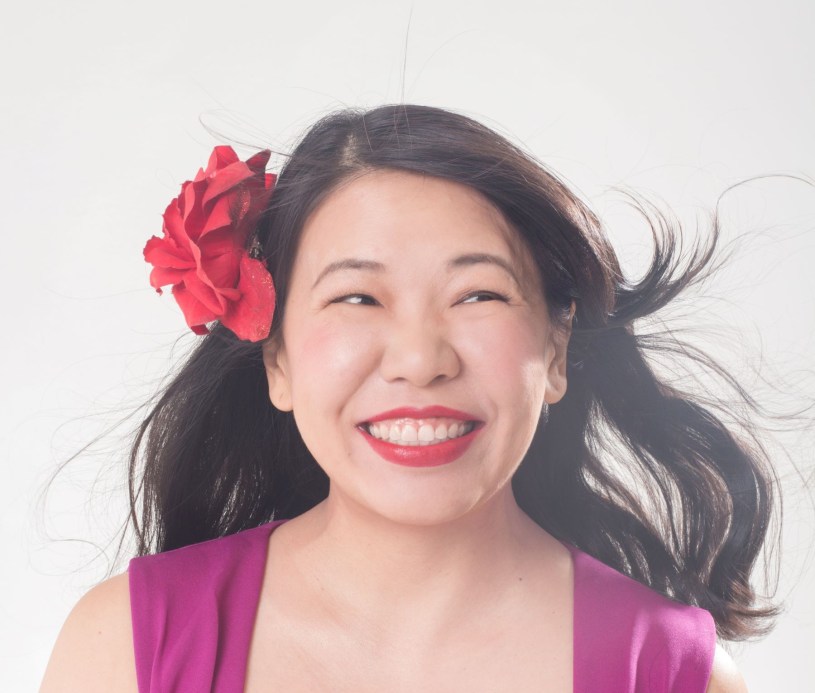
Meet Dr. Martha, a trailblazer in the field of human sexuality and becoming the first person in Singapore to hold a Doctorate in Human Sexuality. Through Eros Coaching, she has spent over a decade creating safe, ethical, and clinically grounded spaces for individuals and couples to explore intimacy, relationships, and personal growth.
In a society where conversations about sex are often stigmatised or avoided, Dr. Martha has dedicated her life to education, advocacy, and systemic change and at the same time, shaping a more informed, compassionate, and sex-positive Singapore.
What inspired you to start Eros Coaching back in 2009, especially in topics such as relationships and sexuality that many people find hard to talk about openly?
I founded Eros Coaching in 2009 after completing my Doctorate in Human Sexuality, becoming the first person in Singapore to hold this qualification. Entering this field at that time meant stepping into largely uncharted territory. Sexuality was still highly stigmatised, and there were very few trained professionals addressing it holistically. In many ways, I was pioneering work that did not yet have language, infrastructure, or public acceptance locally.
My motivation was both personal and societal. Growing up, sexuality education was minimal and largely fear-based. It was centred on disease prevention and pregnancy, but not intimacy, pleasure, or relational well-being. Through volunteer counselling work, I saw how individuals and couples were struggling quietly with sexual pain, shame, and communication breakdowns.
Founding Eros Coaching allowed me to address that gap directly through education, counselling, and coaching grounded in the connection between mind, body, and heart.
Serving on the board of RainbowAsia has also enriched my life deeply. Giving back to LGBTQIA+ communities and supporting inclusive sexuality education expands this work beyond my practice into community impact.
Many individuals and couples feel uncomfortable opening up about sexual challenges. How do you create a safe, non-judgmental environment where clients feel comfortable sharing deeply personal issues?
I create safety through structure, professionalism, and normalisation.
Clients know from the outset that sessions are confidential, clinically grounded, and paced according to their readiness. I ask clear but respectful questions, use medically and psychologically accurate language, and avoid sensationalising or trivialising what they share.
I also normalise extensively by helping clients understand that many sexual concerns are more common than they think. When people realise they are not alone, their anxiety reduces and disclosure becomes easier.
Safety is not just about saying “anything goes.” It comes from ethical practice, boundaries, and informed guidance.
In your experience, what is one myth about sex or relationships that you wish more people would challenge, and why?
One myth I wish more people would challenge is the belief that there is a “right”, “wrong”, or “normal” way to be sexual or to have sex.
This idea creates unnecessary shame and performance pressure. People compare themselves constantly, such as frequency, desire levels, preferences and performance. They assume something is wrong if they do not match perceived norms.
In reality, sexuality is highly individual. What matters is consent, mutual respect, communication, and compatibility, not conformity. Letting go of the need to be “normal” allows individuals and couples to build intimacy that is authentic to them rather than performative.
Seek support sooner rather than later. Many couples wait until resentment, avoidance, or emotional distance has deepened significantly before reaching out. Early intervention allows for more constructive dialogue and repair.
Many of your books explore topics that are still considered taboo for some readers. What inner resistance or breakthroughs did you personally have to navigate while writing these books, and how did the writing process shape you as a practitioner and as a woman?
Writing my books required me to confront societal judgment, particularly towards women who speak openly about sexuality.
Like many women in this field, I have been called names or criticised simply for discussing sex in an educational and professional capacity. Writing became a way of holding space not just for readers, but for all women who are shamed or silenced for expressing sexual knowledge, agency, or voice. It contributes to normalising positive sexuality in a society that still struggles with these conversations.
I also have a deep love for books and see writing as part of my legacy. Books allow access to people who may never attend private sessions, whether due to cost, stigma, or fear. Through writing, education becomes scalable and enduring.
The process strengthened my conviction, sharpened my voice, and expanded my reach beyond the therapy room.
What is one piece of guidance you give to couples struggling to reconnect, whether emotionally or sexually, that you feel has stood the test of time?
Seek support sooner rather than later. Many couples wait until resentment, avoidance, or emotional distance has deepened significantly before reaching out. Early intervention allows for more constructive dialogue and repair.
I also emphasise the importance of checking credentials. Sexuality is a specialised discipline, and not everyone who labels themselves a “sexpert” has the training, supervision, or clinical grounding required. Couples deserve qualified, ethical professionals who understand relational and sexual complexity.
If you could truly change your life, how would you like your life to be?
I would like to travel more and live with greater spaciousness.
Much of my life has been centred around giving, sometimes to the point of overextension. Moving forward, I want to focus on being more effective in what I do rather than simply doing more. Creating wider impact through training, speaking, and writing allows myself balance, rest, and mobility.
Impact remains important, but sustainability matters just as much.
What’s your vision for Singapore in the next five years?
My vision is to make myself increasingly “disposable”, meaning the work continues beyond me.
Through my Professional Certification in Sexuality Education programme, with our 4th intake beginning March 2026, I am focused on training a community of skilled, ethical, sex-positive practitioners. Individuals whose hearts and minds are aligned, and who operate from a “do no harm” philosophy.
If we can collectively shift the climate of sexuality education and relational support in Singapore, that will be my legacy. I look for systemic change through community, not personality.
If you could have a superpower for one day, what would it be and why?
I would want humanity to truly see the pain, stories, strength, and beauty within themselves and within one another.
If people could recognise what others are carrying beneath the surface, compassion would increase and harm would decrease. We would show up differently for each other. We will be more protective, more understanding and more united.
Perhaps then the world would change, because we would finally have each other’s backs.
Connect with Dr. Martha: ErosCoaching, LinkedIn and Instagram.

I love her, she is clear on her intentions, a great sense of humor and so very kind.
LikeLike