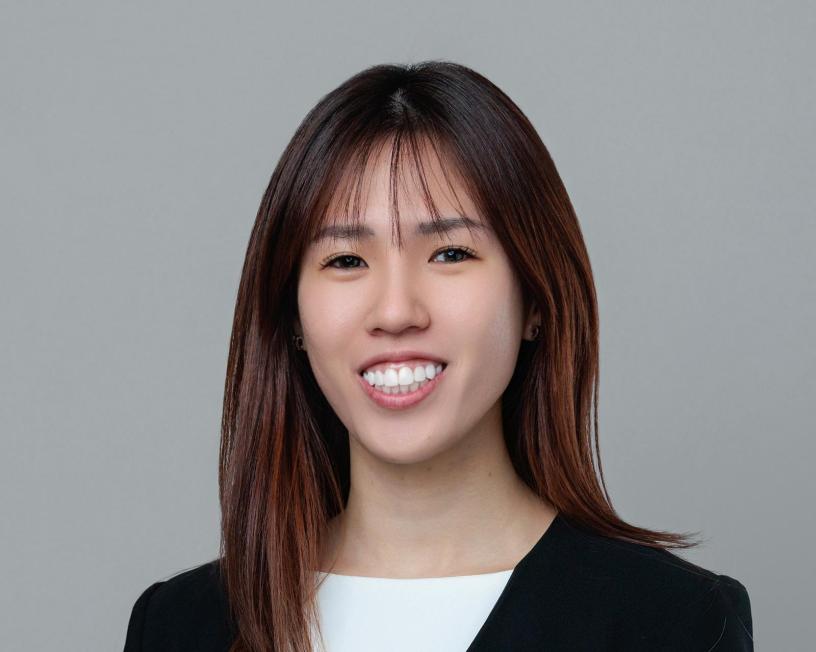
Meet Dawn, who is no stranger to building ventures from scratch. She founded Alnico, a subscription-based CMO service designed to make top-tier marketing talent accessible to SMEs. Frustrated by fragmented agency support and costly hires that didn’t deliver results, Dawn set out to create the very solution she once wished existed.
Backed by her deep belief in collaboration over competition, Dawn has since built a powerful network of senior marketing leaders and crafted a leadership framework tailored for the AI age. Her journey offers refreshing insight into what modern marketing leadership truly looks like—strategic, human-centred, and outcomes-driven.
What inspired you to start Alnico, and how did the concept of a subscription-based CMO emerge from your experience?
My entrepreneurial journey began with two ventures: a self-published card game business targeting the U.S. market, and a user experience consultancy focused on strategic design. Like many entrepreneurs, I was always chasing growth, but marketing felt complicated and overwhelming.
I experimented with agencies, freelancers, interns, and full-timers. Results were mixed. That’s when it hit me. I didn’t just need a marketer. I needed a strategist who understood how marketing drives business outcomes, not just someone good at one tactic like SEO or social media.
Most agencies aren’t built to lead strategy. They focus on a niche and rarely offer a big-picture perspective. I often use the chess analogy. Marketing needs a player who knows what to move, when, and why. Otherwise, you risk lots of activity with little result.
Through working with many SMEs, I realised most can’t afford senior marketing talent like a CMO or Marketing Director. Even mid-level hires can cost $5,000 monthly. That’s why I started Alnico, to give SMEs access to experienced marketing leadership for a fraction of the price, sometimes even less than hiring an intern.
Alnico is the solution I wish I had. It’s marketing made simpler, clearer, and more effective through a subscription-based CMO model designed to empower growth.
Looking back at the early days of Alnico, what is one belief that helped shape the company’s growth today?
One belief I have always held, not just in Alnico but in all my ventures, is collaboration over competition. Over the years, I have built a trusted network of CMO partners—experienced marketing leaders who often run their own practices or serve their own clients.
On paper, they could be seen as competitors. But I truly believe in creating so much value through collaboration that it naturally outweighs competition. We focus on building a partnership model where the benefits of collaboration are tangible. Working together becomes the obvious choice, compared to working alone. This belief has helped us grow and scale Alnico more effectively than if we had operated in isolation.
What qualities do you believe are most important in a strategic marketing leader, especially in an outsourced capacity?
Leadership today, especially in the AI era, is not just about doing more, but about becoming more. For marketing leaders and leaders across any field, I believe there are five essential pillars that define lasting impact.
The first is strategic intelligence. Leaders must shift from being mere operators to becoming true strategic thinkers. This means guiding their functions from a high-level perspective, rather than just executing tasks. It’s about seeing the bigger picture and aligning everyday decisions with long-term vision.
Second, leadership mastery is crucial. It’s not just about authority, but the presence and influence a leader brings, whether in leading teams or contributing to boardroom conversations. Executive presence and the ability to inspire trust make a measurable difference.
Third, mental fitness and resilience form the inner backbone of leadership. Emotional strength, clarity, and self-discipline are not luxuries, instead they’re necessities. Without these qualities, it’s difficult to lead others with conviction or consistency.
The fourth pillar is communication and storytelling. Leaders must be able to clearly articulate ideas, influence stakeholders, and build communities. This is where leadership becomes not just strategic, but human.
Lastly, creativity and innovation are more vital than ever. In a world of automation and AI, leaders who can spot hidden opportunities and spark fresh value creation will outpace those who cling to outdated playbooks.
As AI continues to take over tactical tasks like basic operations or copywriting, these five pillars ensure leaders remain not just relevant, but irreplaceable. The true mark of a leader in the future lies in their ability to shape strategy, drive growth, and influence from the boardroom outward.
In line with this, I’m co-developing a leadership programme called Elevate. It’s designed to help professionals transition from operators to leaders by reinforcing leadership identity and capability. Elevate is set to launch in March this year, and I’m excited to help more leaders rise to their full potential.
What has been the biggest challenge you have faced as a founder in the marketing space, and what did you learn from it?
Rather than the biggest challenge, I would prefer to share the biggest lesson. In my setup, I have had the privilege to work with many talented marketing professionals. What I have learned is this: chemistry matters more than technical skill.
Time and again, I have seen that strong technical skills alone are not enough to influence people or build trust. The deciding factor is the ability to connect, build relationships, and foster trust. Ultimately, the ability to win people over often has more impact than expertise alone.
If you could give one piece of advice to business leaders struggling to align marketing with growth, what would it be?
Most SMEs, when marketing isn’t delivering, try to add more campaigns, more people, more spend. But these actions treat the symptoms, not the root cause.
Instead, they should ask: Do we have the right marketing structure? That means having a clear strategy, the right people and aligned execution.
When these three don’t align, marketing will fail, regardless of budget or team size. One common myth is that bigger teams bring better results. That’s simply not true. A small, focused team with clarity and leadership will outperform a large, misaligned one every time.
What is one bold idea or innovation you would explore if resources and time were limitless?
It may not sound bold, but I would love to develop initiatives for children, specifically entrepreneurship programmes or hands-on experiences that encourage self-discovery.
Helping kids build curiosity, confidence, and a growth mindset early on can shape more resilient individuals as they grow into adulthood.
What’s your vision for Singapore in the next five years?
My focus is on the workforce. I hope to see more Singapore-based professionals step into regional and global leadership roles, not just as technical experts, but as decision-makers with strong commercial acumen.
In today’s gig economy and AI age, execution alone is no longer a competitive edge. Professionals must learn to lead people, not just processes. If we can strengthen leadership capabilities at scale, Singaporean talent will become even more influential globally.
If you could have a superpower for one day, what would it be and why?
I would love to have the power to slow down or create more time. Time is the most precious resource we have and it’s the one thing we can never buy back.
Connect with Dawn: Alnico.
