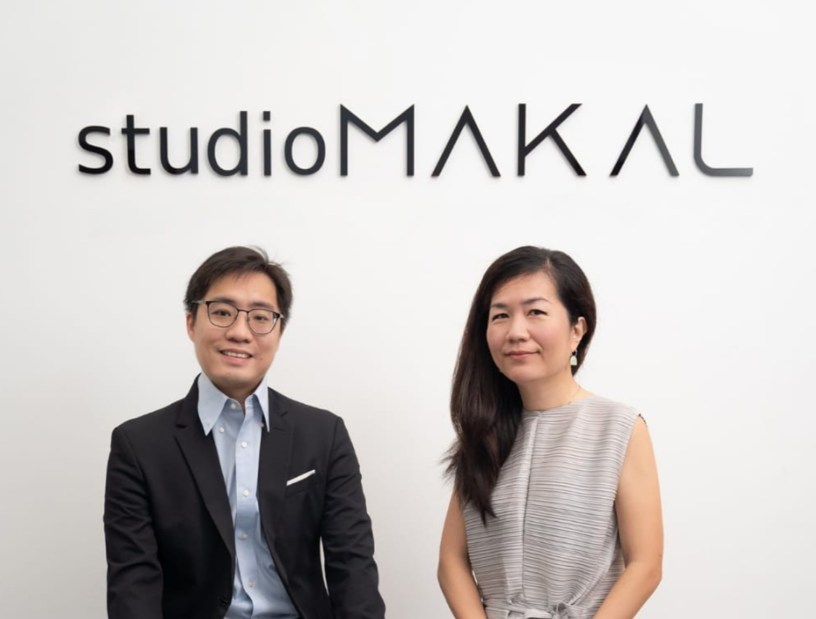
Meet Ai-Ling, founder of Studio MAKAL, an RIBA design practice shaped by global experience, cultural empathy, and a deep commitment to human-centred design. Trained across the UK, Singapore, and international studios, she brings together architecture, interiors, landscape, and master planning into a single, holistic design language.
Known for her clean, elegant, and timeless aesthetic, Ai-Ling believes design is more than form. It is a force that shapes dignity, wellbeing, and how people see themselves. Through Studio MAKAL, she aims to translate high‑end hospitality thinking into residential, civic, and medical spaces that are both deeply functional and emotionally resonant.
What inspired you to establish Studio MAKAL, and what gap do you want to address in the architectural landscape?
The establishment of Studio MAKAL was driven by a personal dream and a clear goal. I once heard someone say that the greatest potential lies in the graveyard, and I did not want that to be my story. I have always wanted to run my own practice and to know, at the end of my life, that I tried and fulfilled my fullest potential.
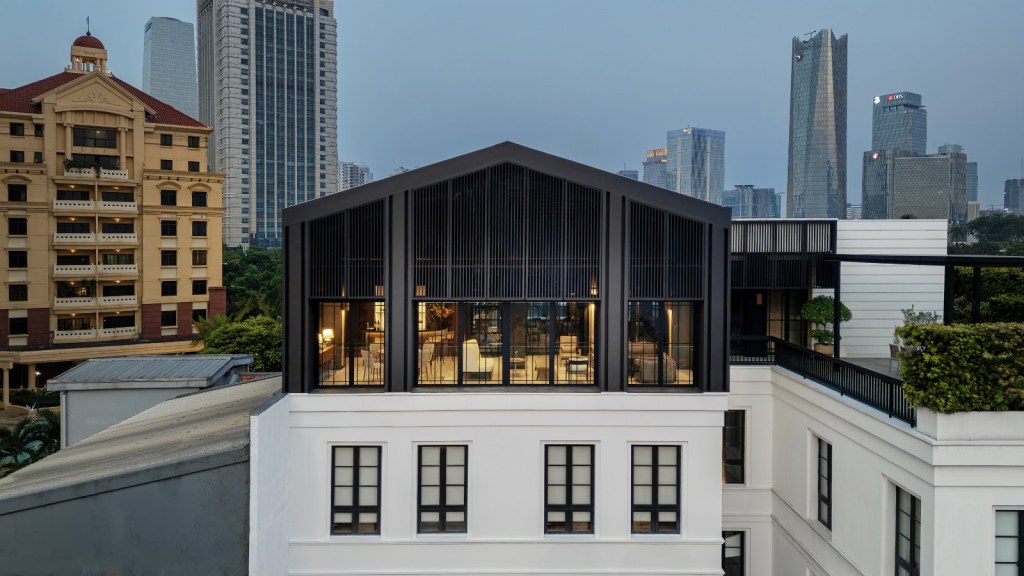
My architectural foundation was shaped at Kerry Hill Architects, where I specialised in luxury hospitality and learned the importance of exquisite detailing, clean lines, and a timeless aesthetic. I wanted to bring this high‑end, user‑centric design approach beyond hotels into residential, civic, and medical spaces. This includes a strong focus on natural light, thoughtful lighting design, high‑quality furniture selection, and meticulous detailing.
At the same time, my experience in the UK exposed me to master planning and landscape integration. At Studio MAKAL, we strive for balance by integrating architecture, interiors, landscape, and master planning so that buildings respond holistically to their surroundings and enhance human comfort and experience.
You have led design teams across multiple countries and cultures. How do you navigate leading creative teams in such diverse environments?
Growing up in Malaysia exposed me to multiple cultures from an early age, and living and working in the UK for over a decade further deepened that exposure. Most of my projects have been international, spanning different countries and cultural contexts. This has given me a strong sense of cultural empathy, which directly informs my design process.
When designing, it is essential to understand how people live, think, and use space within their cultural context. For example, when working on a hotel project in China, I travelled to the region, studied indigenous villages, architecture, clothing, and materials, and translated those cultural elements into a modern design language.
These experiences, accumulated over nearly 20 years, have given me a strong foundation to lead diverse teams and create designs that respect local identity while remaining contemporary.
Studio MAKAL has earned numerous international accolades. What do these recognitions mean to you?
These accolades are a tremendous source of pride and validation. Many of the competitions we participate in are international, and they help us understand where we stand globally, not just in Singapore.
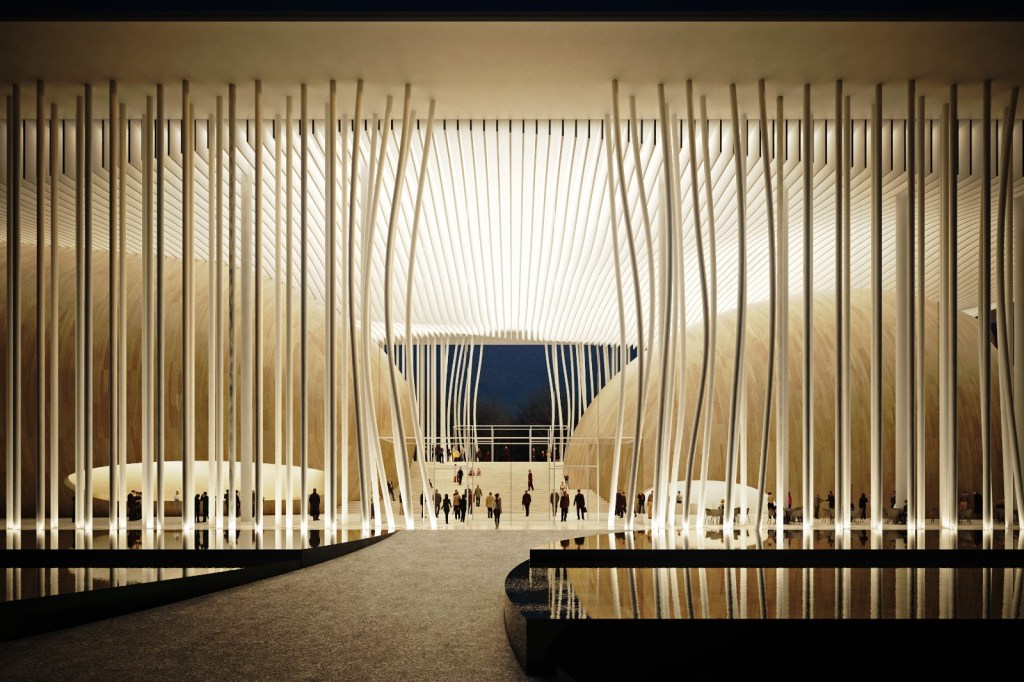
In one competition, our work ranked close to studios such as Zaha Hadid Architects, which gave us confidence in the quality and direction of our work. Beyond recognition, these awards validate the effort, discipline, and passion behind our designs.
In an industry driven heavily by passion, designers are often undervalued. These accolades help us reach a stage where clients recognise the value of good design and are willing to pay for quality and integrity.

Champion your vision and do not compromise your design philosophy. For women in a male‑dominated industry, gaining respect comes through competence and confidence. Once people recognise your capability, trust follows, and collaboration becomes easier.
With sustainability, wellness, and technology reshaping architecture, what trends do you believe will define the next decade of design?
Wellness has become a core driver of architectural investment, no longer a luxury feature but a fundamental requirement, especially in wealthier Asian societies.
We are seeing growth in resort‑style retirement living and medical tourism, which demands architecture that supports mental and physical wellbeing.
Sustainability is also now mandatory in many regions, and the next decade will be defined by a deeper understanding of lifecycle impact and embodied energy, not just green labels. Designers must consider sourcing materials locally and reducing carbon footprints across the entire supply chain.
As for technology and AI, while it is powerful in generating visuals, architecture remains deeply human. Good design requires empathy, dialogue, and understanding user needs. AI should be used as a tool to support deeper thinking, not replace designers.
What advice would you give young designers, especially women who aspire to lead their own practices one day?
It is important to become an expert in something and develop a clear niche. At Studio MAKAL, our signature is clean, elegant, and timeless design inspired by luxury hospitality.
Exposure to global design is also crucial—travel, observe, and learn from different cultures. Champion your vision and do not compromise your design philosophy.
For women in a male‑dominated industry, gaining respect comes through competence and confidence. Once people recognise your capability, trust follows, and collaboration becomes easier.
If you could design one space purely for yourself, what would it be?
It would be a personal retreat designed for stillness and reflection. A space without noise or distraction, focused on landscape and memory. Every element would tell a story, reminding me of moments, journeys, and experiences.
There would be no television, only a strong connection to nature through large framed views, creating a calm, deeply personal environment.
What’s your vision for Singapore in the next five years?
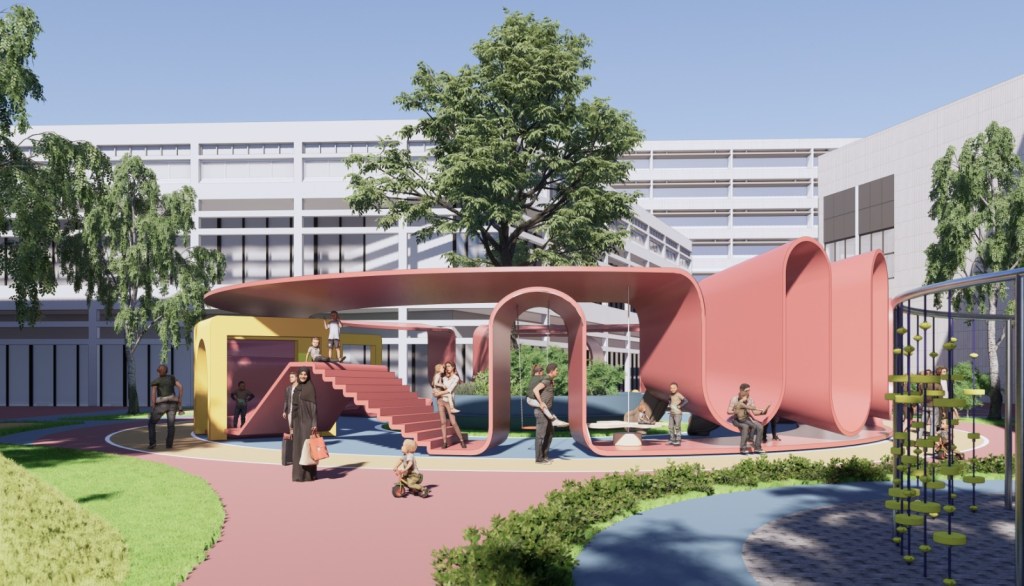
Singapore is emerging as a leader in placemaking and resilient high‑density living in Southeast Asia. I see more creative, meaningful public spaces that bring communities together across age and culture.
Design will become bolder, more expressive, yet still functional. Public spaces, inspired by successful models in the UK, will continue to grow and shape stronger community identity.
If you could have a superpower for one day, what would it be?
My ultimate wish is for everyone to have access to well‑designed spaces that enhance dignity, wellbeing, and self‑worth. Architecture has the power to change how people see themselves.
I have seen how proper housing and thoughtful urban planning can reduce crime, improve education outcomes, and instil pride in communities. Good design can transform lives, communities, and ultimately nations.
Connect with Ai-Ling: StudioMAKAL, Instagram and Facebook.
Ai-Ling is a member of Rainmaker, a revolutionary movement that rallies like-minded people together based on the values of Love, Authenticity, Respect, Kindness and Youthfulness (LARKY).