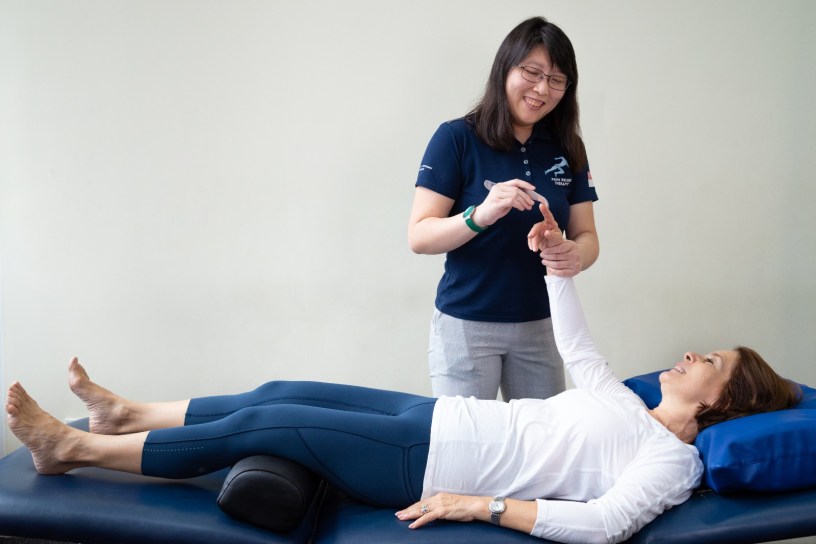
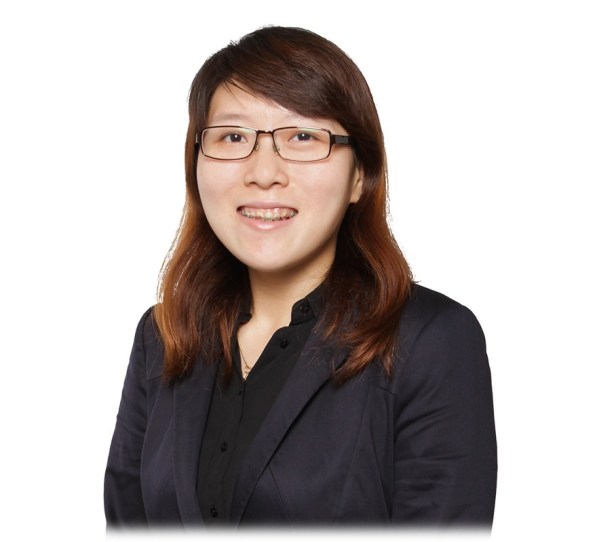
Meet Cindy, who isn’t just addressing physical discomfort but helping people rediscover trust in their bodies. As the founder of Pain Relief Therapy Singapore, she works with clients of all ages who’ve quietly adapted their lives around chronic pain. From children with neck strain to adults who’ve given up beloved hobbies, Cindy’s approach is rooted in empathy, gentle movement, and listening deeply to the body’s silent messages.
Her journey began close to home, inspired by watching her mother’s world shrink due to persistent pain. Today, Cindy guides others in regaining freedom, whether it’s the simple act of walking without fear, or the powerful moment of realising pain no longer controls their choices. Through her work, she’s redefining what recovery means, not just the absence of pain, but the return of confidence, dignity, and joy.
What inspired you to start Pain Relief Therapy Singapore and focus on pain management and musculoskeletal health?
It began with watching people quietly give up parts of their lives. They stopped playing with their children, travelling, or doing the activities they once loved. Over time, they lost trust in their own bodies.
For me, it started at home with my mum. Her pain slowly limited her movement, made walking less enjoyable, and took away the joy of travelling, especially when long distances were involved.
How would you describe your philosophy towards pain relief and rehabilitation?
I believe the body is always trying to protect us, even when it expresses itself through pain. Pain is not the body betraying us; it’s a request for attention and care.
My approach is gentle. We slow things down, listen carefully, and help people rebuild trust in their bodies. When someone no longer fears movement, the body starts to release the tension it has been holding in a protective state.
That sense of safety is often where real healing begins.
Many people live with chronic pain without understanding the root cause. What are some of the most common misconceptions about pain you encounter?
One of the most common misconceptions is that pain means you’re old or that something is broken. Many people believe that once pain appears, life has to be restructured around it.
In reality, most chronic pain develops gradually due to prolonged stress, fear of movement, repetitive patterns, and feeling unheard over time.
Pain doesn’t mean you’ve failed your body. It often means your body has been coping alone for too long. When scans and medical checks don’t show obvious damage, people are sometimes told there’s nothing wrong and are referred elsewhere.
Yet, connective tissues can be highly tense and overloaded without appearing damaged on imaging. Some are even advised to stop working, running, or playing golf altogether. While rest has its place, avoiding life isn’t recovery. Understanding the body’s patterns early on often makes all the difference.
Pain isn’t weakness, and you don’t have to wait until it becomes unbearable to address it. Movement isn’t something to fear. It’s something to understand and reclaim.
Can you share a client story that deeply moved you—where someone overcame significant pain and regained quality of life through your care?
One client once said she had planned her life around her pain. That sentence stayed with me. Weeks later, she returned and said, “I forgot about my pain for a whole afternoon after our session.”
It wasn’t dramatic, but it was powerful. That was the moment she realised pain no longer controlled her choices. That moment is why I do what I do.
What is the single most important message you would like Singaporeans to know about pain and movement health?
Pain isn’t weakness, and you don’t have to wait until it becomes unbearable to address it. Movement isn’t something to fear. It’s something to understand and reclaim.
The body is far more resilient than most people realise. You don’t have to quit your job because of pain. Often, it’s about recognising which muscles are overworking and crying out for help.
What life experience most shaped how you show up for others today?
I’ve come to understand how pain hurts, not just physically, but emotionally. People often minimise their pain, saying “it’s nothing,” while their body is clearly struggling.
That taught me to listen beyond words, such as posture, breathing, hesitation. People don’t always need fixing. Sometimes, they just need someone to truly see them.
What’s your vision for Singapore in the next five years?
My vision is a Singapore where people don’t wait for pain to force them to slow down. Movement should be part of everyday life, not something optional or reserved for the young. Ageing shouldn’t be associated with fear or pain.
I once had a 14-year-old tell me he felt old, while we see seniors strength-training, staying socially engaged, and living active lives. Age doesn’t define capability, habits do. With the right mindset, education, and support, we can age with confidence and dignity.
That’s why posture and body awareness should start early, even in schools. I’m already seeing children with neck tension and back pain. Prevention must begin before pain becomes the norm.
If you could have a superpower for one day, what would it be and why?
If I had a superpower for a day, it would be the ability to help people trust their own bodies again. When someone feels safe in their body, everything shifts, from how they move, to how they live, and even how they imagine their future.
Often, we push aside childhood experiences, emotional stress, and the habit of going through the motions of daily life. Eventually, the body begins to speak through chronic pain. Restoring trust allows people to finally listen.
Connect with Cindy: PainReliefSG and Instagram.
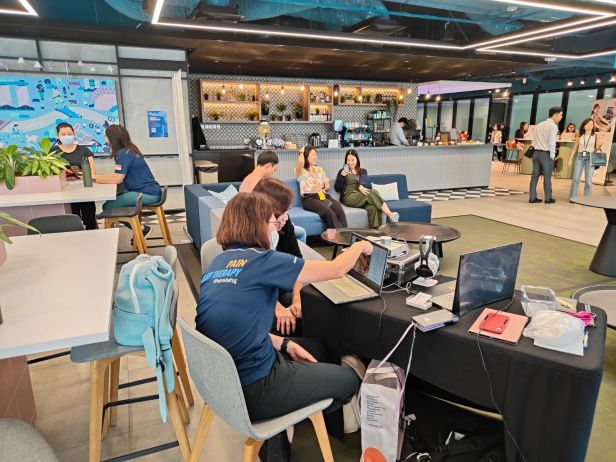
Cindy is a member of Rainmaker, a revolutionary movement that rallies like-minded people together based on the values of Love, Authenticity, Respect, Kindness and Youthfulness (LARKY).
Health Advice Disclaimer
The information provided on this platform is for educational and informational purposes only. It is not intended as medical advice, diagnosis, or treatment, and should not be relied upon as a substitute for professional medical consultation, advice, or treatment from a qualified healthcare provider.
In Singapore, all health-related content is to be understood as general wellness information and not a substitute for medical consultation. Individuals are encouraged to seek advice from a registered medical practitioner under the Ministry of Health (MOH) before making any healthcare decisions.
