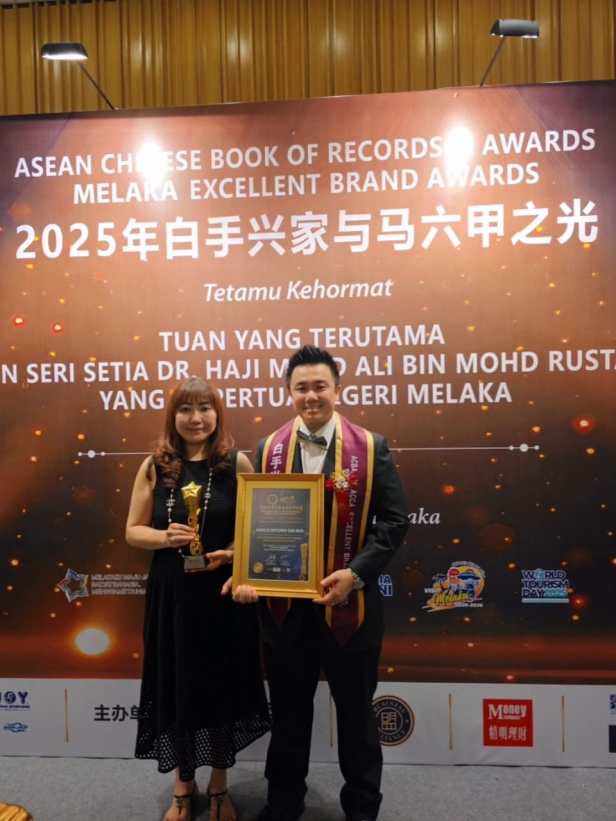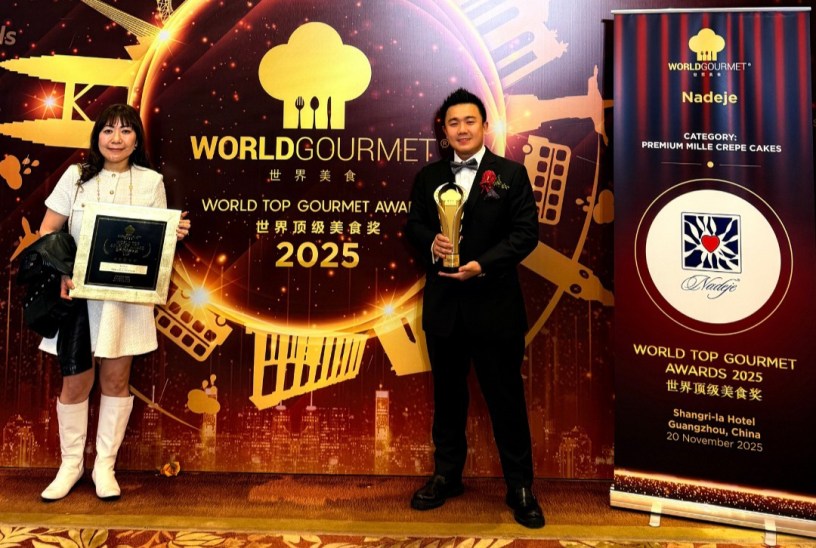
Meet Jeffry and Nozomi, who both took a bold step in introducing this refined, multi-layered cake to Malaysian palates long before Mille Crepe became a trending dessert. Inspired by Nozomi’s Japanese heritage and culinary background, the couple set out to offer a handcrafted dessert experience that was fresh, delicate, and unlike anything found locally. Starting with just three flavours and a commitment to quality over scale, Nadeje quickly stood out, not just for its cakes, but for its attention to craftsmanship, ingredients, and heartfelt hospitality.
From a humble shop in Melaka to multiple outlets in major cities, Nozomi and Jeffry’s journey has been one of quiet resilience, innovation, and cultural fusion. They’ve remained true to their values, handmaking every cake, using premium ingredients from Japan, and thoughtfully integrating local flavours like Gula Melaka. In this interview, they share how Nadeje began, the challenges they overcame, and how staying sincere and artisanal has turned their Mille Crepe brand into a household name and a destination of its own.
Nadeje was established in 2006, long before Mille Crepe became popular. What inspired you to start Nadeje and focus on Mille Crepe?
Nozomi: Nadeje began in 2006 when Mille Crepe was virtually unknown in Malaysia. I first encountered it in Japan, where I learned to make it myself. I was drawn to its delicate layers, light texture, and balanced sweetness, which were very different from the butter-based cakes common in Malaysia’s hot climate.
Fresh cream cakes were rare due to preservation challenges, but I saw this as an opportunity to introduce a new standard of refinement and freshness. I believed Mille Crepe could resonate with Malaysian consumers if done properly. Its elegance, subtlety, and emphasis on balance represented a different dessert philosophy that focused on craftsmanship rather than heaviness.
Jeffry: We opened our first outlet in Melaka, my hometown, which attracts both locals and tourists. It was an ideal place to introduce a refined, fresh cream–based dessert that was largely unavailable at the time. From the start, our goal was not just to sell cakes, but to create a product people would remember for its quality and care.
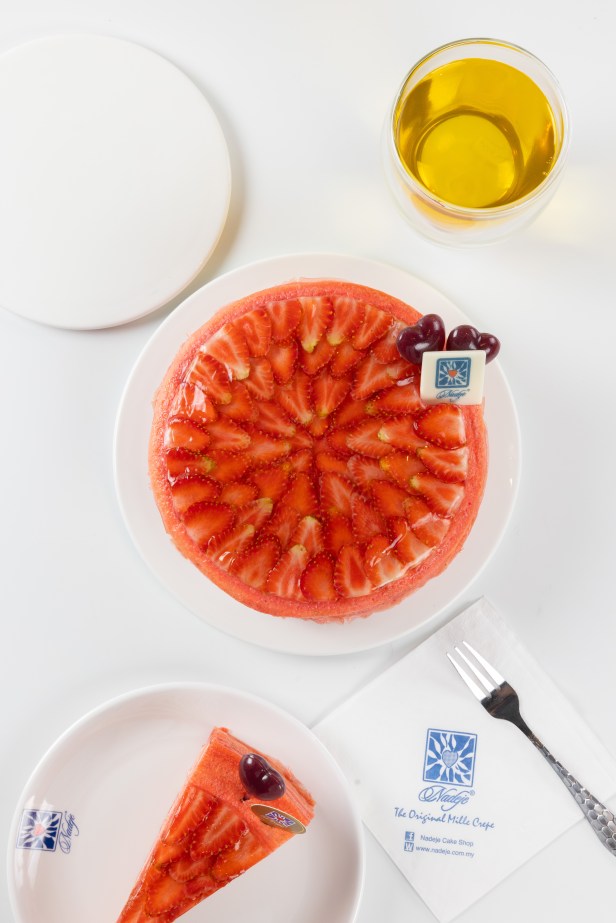
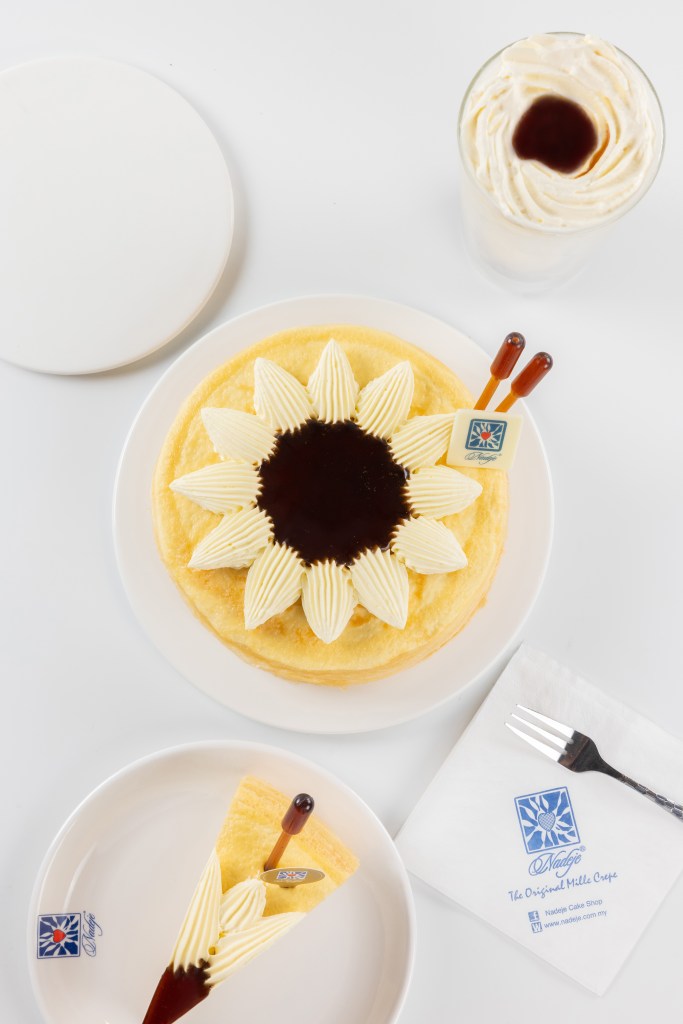
Nozomi began with just three flavours, focusing on mastery rather than fast expansion. As customers appreciated the freshness and texture, we gradually expanded. Today, Nadeje offers over 50 Mille Crepe flavours across multiple series, along with other premium desserts. We also adapted flavours to local tastes, incorporating ingredients like Gula Melaka, which led to creations such as the Premium Melaka Mille Crepe and Gula Melaka Café Latte.
Nozomi: We also pay attention to the overall experience. We serve Tokyo I Coffee, specially roasted by Mr Kato from Japan, to complement our Mille Crepe rather than overpower it. This harmony between cake and coffee reflects our philosophy. By blending Japanese techniques with local flavours, we created a refined yet culturally meaningful product, which has become a defining trait of Nadeje.
What were some early challenges, and how did you overcome them?
Nozomi: Market awareness was our biggest challenge. In 2006, most people had never heard of Mille Crepe. Explaining a cake made of many handcrafted layers required patience. Ingredient sourcing was another challenge, as many key components had to be imported from Japan, increasing costs while we were still operating at a small scale.
Jeffry: We stayed committed to quality and consistency. Each cake was carefully handcrafted, and we allowed customers to experience the product rather than over-explain it. Word of mouth gradually built trust. Over time, Nadeje became known as a destination for high-quality Mille Crepe, enabling us to expand beyond Melaka into Klang Valley malls.
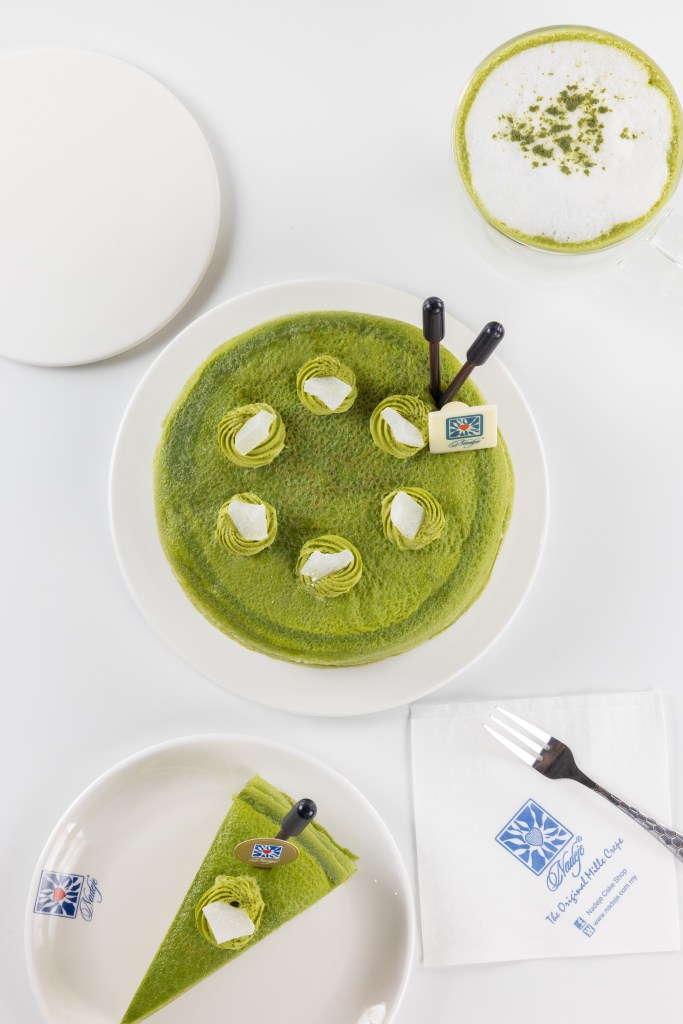

Ultimately, our goal is to ensure that every slice reflects care, sincerity and attentionto detail. For us, quality is not a marketing statement, it is a responsibility to our customersand a core principle that defines the Nadeje brand.
As mentioned, many of the premium ingredients are imported from Japan. Why is ingredient quality so central to your brand philosophy?
Jeffry: Great products start with great ingredients. Through my Japanese wife’s background, I learned the importance of respecting ingredients and never compromising on quality, even if it requires more time and cost.
Nozomi: Premium ingredients directly affect texture, flavour, and overall experience. Customers may not know the details, but they can taste the difference. The cream is lighter, the layers are smoother and the flavours are more refined and balanced.
At the same time, I have also tried incorporating high-quality local ingredients. Ingredients such as Gula Melaka is thoughtfully incorporated to create flavours that resonate with Malaysian customers. This approach allows us to honour Japanese technique while celebrating local tastes.
Jeffry: Ultimately, our goal is to ensure that every slice reflects care, sincerity and attention to detail. For us, quality is not a marketing statement, it is a responsibility to our customers and a core principle that defines the Nadeje brand.
Your products are 100% handmade and preservative-free. In an industry where scaling often means automation, why did you choose to preserve artisanal methods?
Jeffry: Mille Crepe relies heavily on human skill. Automation sacrifices texture, consistency, and character. Each crepe layer must be carefully cooked and assembled by hand. To support this, we run a 24-hour production facility supplying all outlets with fresh cakes daily.
Nozomi: Health is equally important. I hold a nutrition certificate, which influences our preservative-free approach. Many jams and sauces are made in-house, giving us full control over ingredients. Our Dream Series caters to health-conscious customers using 100% imported Rare Sugar, which contains zero calories and does not raise blood sugar levels, allowing us to offer a lighter alternative without compromising flavour or texture.
Preserving artisanal methods requires more effort, but it differentiates Nadeje. Customers can taste the care behind each cake, something machines cannot replicate.
Nadeje has received recognition from Malaysia Tatler, TripAdvisor, and other publications. What do these recognitions mean to you?
Jeffry: These recognitions reflect how far we’ve come, from a small shop in Melaka to outlets in major malls. Along this journey, such acknowledgements serve as important markers of our progress and consistency. They hold special significance for us as they acknowledge our roots and long-standing contribution to Melaka’s food and beverage landscape.
They represent collective milestones shared by our team and our customers, whose trust and support have been instrumental in our growth. They also serve as a reminder to continuously improve, strive for excellence and uphold the standards we set for product quality, dedicated handwork and attention to
detail.
More recently, we were also honoured with two awards from World Top Gourmet which are the Top Supreme Brand Award and the Top Outstanding F&B Brand Award.
How has this journey shaped you personally?
Nozomi: It has taught us patience, discipline, and the importance of listening to both customers and our team. Seeing people enjoy what we create is deeply rewarding.
Jeffry: Challenges have taught us humility and resilience. Building something meaningful requires vision, openness to feedback, and perseverance. This journey has made us more thoughtful and determined to create lasting impact through our work.
What advice would you give aspiring F&B entrepreneurs?
Nozomi: Passion and sincerity are essential. If money is the only motivation, it won’t last. The F&B industry is demanding, and without genuine care for your product and people, it’s easy to give up.
Jeffry: Don’t fear mistakes. Learn from them, pay attention to details, and keep improving. Success comes from consistency, patience, and genuine love for what you do.
If you could have a superpower for one day, what would it be and why?
Jeffry: The ability to inspire and uplift others. A motivated team creates positive energy that reaches customers and drives long-term success.
Nozomi: I would create a kindergarten for our employees, especially working mothers, so they can work with peace of mind. Supporting parents helps employees give their best at work and at home.
Connect with Jeffry and Nozomi: Nadeje, Instagram and Facebook.