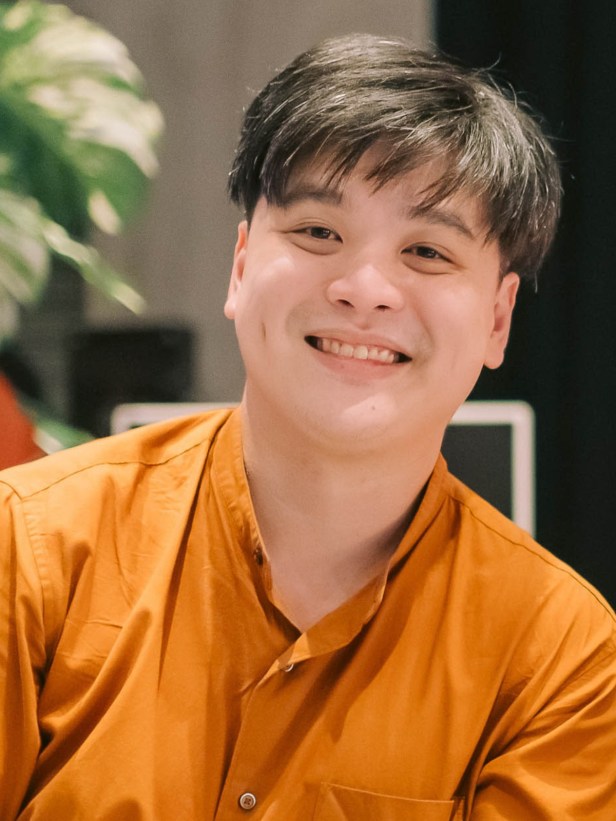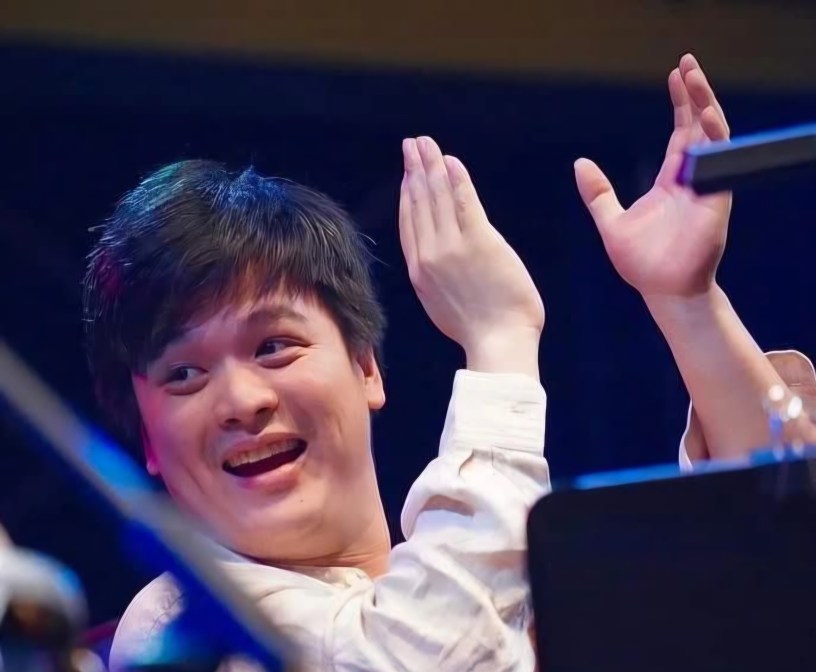
Meet Ethan, a TEDx speaker, mental health advocate, cybersecurity educator, and AI trainer. With roots in psychiatry and a passion for understanding how people think, Ethan blends the human and technological sides of work and life. He believes clarity, empathy, and community are essential to thriving in today’s fast-changing world.
From his beginnings as a medical student to becoming a trainer in cybersecurity and generative AI, Ethan’s journey is driven by one purpose: helping people think differently, act consciously, and adapt meaningfully to challenges. Whether he’s guiding tech professionals through burnout, decoding the myths of AI, or sharing his personal struggles during TEDx prep, Ethan brings a rare combination of analytical depth and emotional insight.
What inspired you to be a mental health advocate as well as work in cybersecurity and AI?
My journey into mental health began early. I have always been fascinated by mindsets, depression, performance, and how people think. Perhaps because I saw how vital it is for people to understand themselves.
That curiosity led me to study psychiatry as a medical student, and ever since, I have been learning about mental health in every stage of my life. Eventually, my interest in environments and culture led me to do corporate training. I started working with companies, helping them build healthy environments because I realised workplace culture has a huge impact on mental health.
In 2021, I accidentally stumbled into cybersecurity when I launched a training business. Initially, I was importing content, but I soon got good at it, started enjoying it, and built it into something more serious. As AI started rising, I saw how deeply it affected mental health, cybersecurity, and more. That curiosity pulled me further in, and now I find myself building businesses at the intersection of all these fields.
In the fast-paced tech world, burnout is common. What do tech professionals misunderstand most about mental resilience?
In cybersecurity, for example, professionals often face high pressure, frequent attacks, and little recognition. In software engineering, many are burning out from the pressure to learn AI or from job losses due to automation.
But what many misunderstand is that resilience isn’t just about enduring. It’s about having the right support network. Many tech professionals are brilliant with machines but struggle with human connections. They often lack the systems and community support needed to navigate emotional stress.
Resilience doesn’t just come from grit; it comes from mentors, peers, and being able to share the burden. A strong network allows you to face challenges with emotional maturity and clarity. Unfortunately, many still undervalue this, thinking they can power through alone.
You have been working with generative AI for two years. What is the biggest misconception people have about AI and its impact on jobs?
The biggest misconception is that AI is intelligent in a human way. It’s not. It mimics human thinking with syntax. It sounds intelligent, but it lacks substance. It doesn’t have real stories, emotions, or lived experience.
When it comes to jobs, people fear AI is here to replace us. In reality, AI should be replacing the repetitive, administrative roles that humans don’t enjoy. Instead of fearing job loss, we should use this moment to pivot. AI gives us a chance to refocus on creative, strategic, and meaningful work.

The biggest misconception is that AI is intelligent in a human way. It’s not. It mimics human thinking with syntax. It sounds intelligent, but it lacks substance. It doesn’t have real stories, emotions, or lived experience.
Preparing for TEDx requires emotional clarity and storytelling skills. What was the most challenging part for you?
Interestingly, it was the lack of a supportive network at the time. I had someone close to me who, despite everyone else loving my scripts, consistently tore them apart. That emotional toll was tougher than the writing itself. Over time, I realised it wasn’t about me. It was her own internal struggles being projected outward.
As for the actual TEDx talk, condensing so much into just 12 minutes was a real challenge. I had to speak slower, simplify complex ideas, and use strong visuals to carry the message. Thankfully, I had help with the visuals, which allowed me to focus more on engaging the audience.
Cybersecurity is evolving fast. What is the biggest blind spot most organisations underestimate today?
“It won’t happen to us.” I hear that all the time. Companies assume they are safe, until they are not. Even large firms I have seen fall victim to hacks still believe they are unlikely to be hit again. They forget that attackers are smart, persistent, and constantly evolving.
Another blind spot is resilience. Many don’t prepare for recovery. They lack backups, crisis plans, or robust systems. They assume recovery will be easy, but without preparation, it rarely is. Believing you are immune, and thinking you will bounce back without planning, are the two major misconceptions I see every day.
You position yourself as someone who balances the human and technological sides. What does that balance look like in practice?
I often describe myself as thinking a bit like a robot. I need to understand how things work, almost like decoding the mechanics behind every process. But here’s the thing: while I think in technical structures, I also recognise that people are driven by emotion, anxiety, and stories.
Most people project their fears or definitions onto others. So, bridging that gap means having empathy for different perspectives while understanding the mechanics behind their thinking. My job is to take people’s fears, explain the mechanics in human language, and create an environment where it’s easier to learn and adapt.
If you could speak to your younger self, what would you tell him?
I would tell him to learn hard, learn fast, and move on quickly. I repeated the same life and business mistakes in different forms because I didn’t ask for help early enough. The one thing I would change is to be more shameless about asking for support. That would have accelerated everything.
What’s your vision for Singapore in the next five years?
Honestly, I worry that Singapore may not be ready for what AI brings. We have built a strong service-based economy, filled with efficient, smart people doing administrative work. But those are exactly the roles AI is set to replace.
My hope is that Singapore can evolve into a society that values creativity, emotional maturity, and deep thinking. We need to shift from being excellent administrators to becoming excellent thinkers, creators, and empathisers, and acquire skills that AI cannot replicate.
If you could have a superpower for one day, what would it be and why?
I would want the ability to split myself into multiple versions of me. There’s just so much I want to do in one day! Having multiple selves would let me learn, build, and connect on a much bigger scale.
Connect with Ethan: C4AIL, Instagram and LinkedIn.