
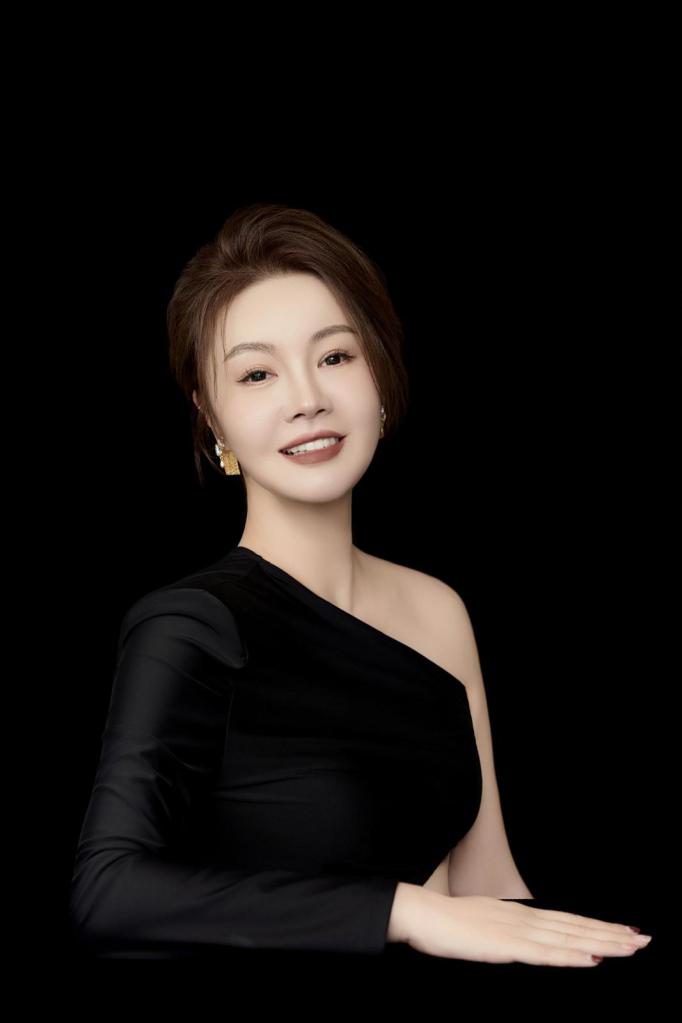
Meet Zully Le Yao, once a familiar face in the entertainment scene. She has since gracefully pivoted into a new calling, nurturing young minds through Mandarin speech and drama. Combining her performance roots with a passion for language education, she now designs engaging drama-based lessons to help children overcome language resistance, build confidence, and express themselves more effectively.
Her mission is clear: to empower children, including those from non-Chinese backgrounds, to embrace Mandarin in a fun and interactive way, whether through song, storytelling, or mini stage productions. Today, Zully blends theatrical flair with structured learning to support holistic child development, one story at a time.
You transitioned from the entertainment industry to children’s speech and drama education. What inspired the change?
Transitioning careers is tough for any artiste. Many friends in media, radio or acting eventually switch to industries like insurance, property, or F&B. I consulted some friends familiar with the local market, and while they suggested sales or marketing, one mentor asked me to first reflect on my own strengths.
He said before switching industries, identify your unique value. For me, it was Mandarin and performance. Combining the two made perfect sense. Many people end up working in jobs they don’t enjoy, but I’m lucky to have found something I love and can do long-term.
Our core programme is speech and drama, which may sound common as many kindergartens and primary schools offer drama classes. But we focus on using drama to reduce children’s resistance to language, especially Mandarin.
While we have English classes too, many parents hope their children can become more comfortable with Mandarin. Our method is more expressive and interactive compared to other classes. It was meaningful and aligned perfectly with my background.
What is the most challenging part of teaching children language skills?
The hardest part isn’t pronunciation or character recognition. It’s practical usage. Many children can memorise vocabulary, but they struggle to apply it correctly in context.
Mandarin has many words with layered meanings. Take the word “方便” (convenient)—it can also mean “go to the toilet”. Or “还钱” (return money) vs “付钱” (pay money). Many locals mix the two, but they are not the same in standard Mandarin. Misuse creates confusion, especially as they progress to primary and secondary school.
That’s why we encourage children to make mistakes bravely. Trial and error is part of the process. If they copy corrections blindly, they won’t internalise the correct usage. Smart learning comes from being curious and reflective.
Parents often focus heavily on academic results. How do you explain the long-term value of language and communication skills?
It is hard to ignore grades in Singapore’s academic system. But oral and listening exams have been part of PSLE scoring, so communication skills are directly relevant.
Beyond that, students who are in Higher Chinese will benefit from developing critical thinking in Mandarin. The structure and logic differ from English.
If students rely solely on translation, their compositions will lack depth. I have read amusing but confusing essays where students misuse “good phrases” out of context, clearly from over-reliance on copying model answers.
We need to nurture understanding, not just regurgitation. Children who can apply what they have learnt across various contexts are truly mastering the language.

That’s why we encourage children to make mistakes bravely. Trial and error is part of the process. If they copy corrections blindly, they won’t internalise the correct usage. Smart learning comes from being curious and reflective.
How do you help shy, nervous children or those with low confidence find their voice?
I have worked with children on the autism spectrum, hyperactive students, and those who are just introverted. I start by observing them. If they are hesitant, I won’t push. I let them watch and feel safe. Slowly, I engage them gently through play, stories, or movement.
For instance, if the whole class is pretending to shop on the left side of the room and one child is alone on the right, I’ll suddenly ‘discover’ something exciting like ice cream on his or she side and invite the others to join in. This way, the child is included naturally, without any pressure.
If needed, I will follow up with teachers or parents to understand their broader classroom behaviour. Building comfort is key. Correction comes later.
With rising tech use, children are increasingly attached to devices. What impact do you see on language development?
Technology is helpful for teens and adults, but for young children, overexposure, especially to low-quality content, has consequences. Kids who scroll endlessly on their devices often lose interest in face-to-face communication.
Parents can’t stop tech entirely, but they must regulate usage. It’s okay to let them play a little, especially with friends, but passive screen time with no interaction is harmful. It affects focus, patience, and processing skills.
Worse, it affects temperament. Sudden removal of devices leads to tantrums, anxiety, and attention issues. Parents need to be proactive—plan schedules, create balance, and model discipline. Otherwise, children can go a whole afternoon without real conversation.
What makes a great entrepreneur?
In the past, it was all about boldness and strategy. Today, it’s about balance. Many people talk about “work-life balance”, but only those who have worked hard and reached a certain level of stability can truly enjoy it.
A great entrepreneur isn’t just someone who earns well. It’s someone who creates systems that allow them to live meaningfully, spend time with family, and continue growing without burning out.
What’s your vision for Singapore in the next five years?
I have lived in Singapore since 2001, and I have watched it change rapidly. I hope that amidst progress, we don’t lose our cultural roots such as our food, traditions, and identity.
Recently, I visited other countries and saw how much they have preserved their culture. I hope Singapore can continue evolving while still honouring what makes us uniquely Singaporean.
If you could have a superpower for one day, what would it be and why?
I would want a time machine. I would return to 2003 and spend a few meaningful weeks with my grandfather during his final days in Shanghai. At the time, I was too young and didn’t know how deeply I would miss him.
With maturity comes reflection, and I now realise how precious those moments were. I hope younger people reading this can prioritise time with loved ones before it’s too late.
Connect with Zully: A*Speech, Facebook and Instagram.
Zully is a member of Rainmaker, a revolutionary movement that rallies like-minded people together based on the values of Love, Authenticity, Respect, Kindness and Youthfulness (LARKY).