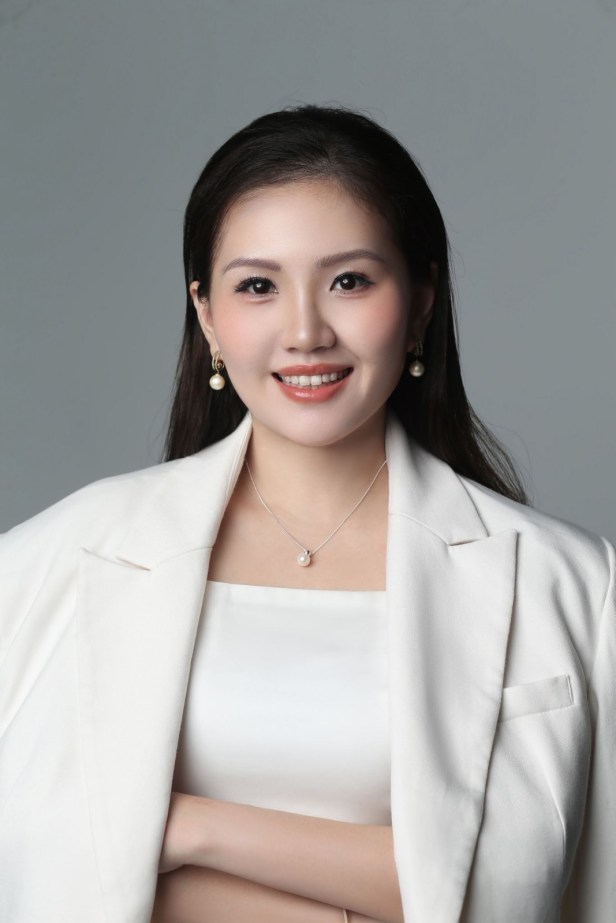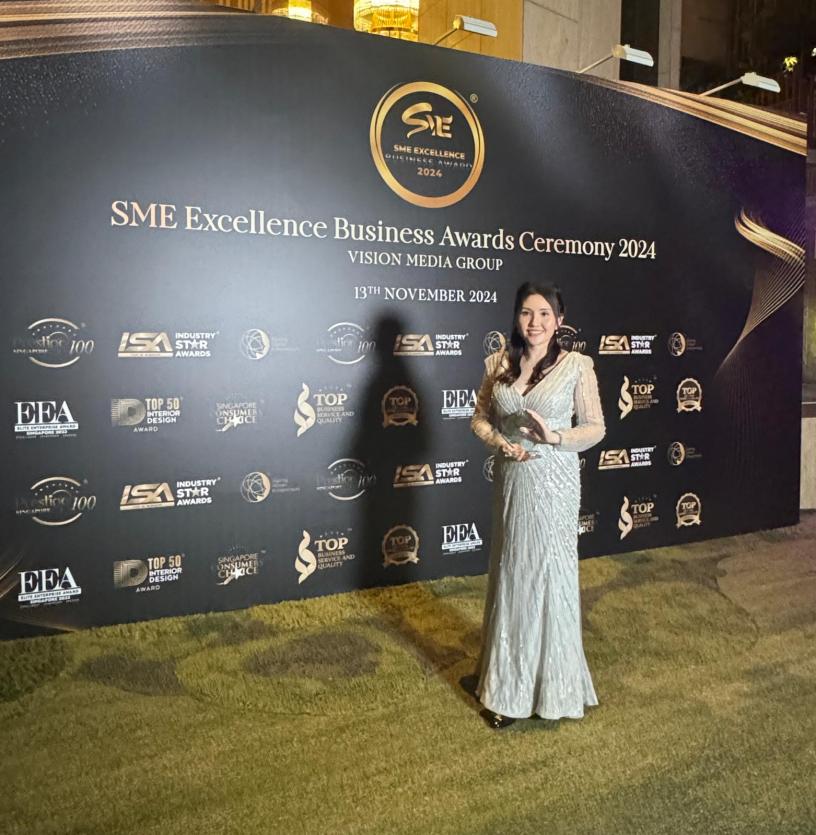
Meet Stef, the founder of Vault Personnel who stands out as a visionary who truly understands the power of people. In a business landscape where HR is often treated as an afterthought, she has transformed what began as a single employment agency into a fully integrated HR powerhouse—supporting SMEs with strategic frameworks, performance management, culture-building and digital transformation.
With a corporate background spanning multinational environments and shared-services leadership, Stef brings a rare blend of operational depth and human-centred insight. Her mission is clear: to support SMEs with strategic frameworks, performance management, culture-building and digital transformation.
Vault Personnel began as a single venture and has grown into several business units. What was the turning point that made you realise you could build a fully integrated HR house?
My background is rooted in the corporate world, including experience working with German MNCs where we had deeper resources and very specialised HR roles. During my corporate tenure, I had the opportunity to set up a shared services centre both locally and in Kuala Lumpur.
When I founded Vault Personnel, it began as a standard employment agency. After speaking with numerous clients, I realised businesses needed more than just isolated HR solutions. They wanted a one-stop partner who could advise on everything from strategic planning to operations. Over time, I realised that HR functions like recruitment, workforce planning, job redesign, payroll, and culture are all deeply interconnected.
My goal became clear: to offer shared services and enterprise-level HR capabilities to SMEs at a price they could afford. That’s how our integrated HR house was born.
Regionally, many SMEs see HR as administrative rather than strategic. How do you help business owners shift their mindset?
We support SMEs by helping them set up clear policies, frameworks, and guidelines. A key project we often implement is performance management. Traditionally, SMEs would award a flat yearly bonus across the board.
We help them move towards merit-based rewards by showing them the ROI of strategic HR, how it boosts employee clarity and aligns individual and departmental KPIs with business outcomes. This visibility transforms HR from a cost centre to a driver of performance.
When you step into a new organisation, what are the first signs that tell you whether the culture is healthy or needs recalibration?
Culture is often revealed in the smallest interactions. For example, I observe how employees behave in communal spaces—are they open, confident, or anxious? Do they smile and acknowledge visitors, or appear weighed down? Are they aware of who they are meeting, like the CEO, or are they kept in the dark?
I also take note of how transparent the company is during our visit, whether they eagerly show us around and introduce various departments. These telltale signs reveal whether communication, trust, and morale are strong or if improvements are needed. My role is to diagnose early and guide leadership to rebuild structure, clarity, and trust.
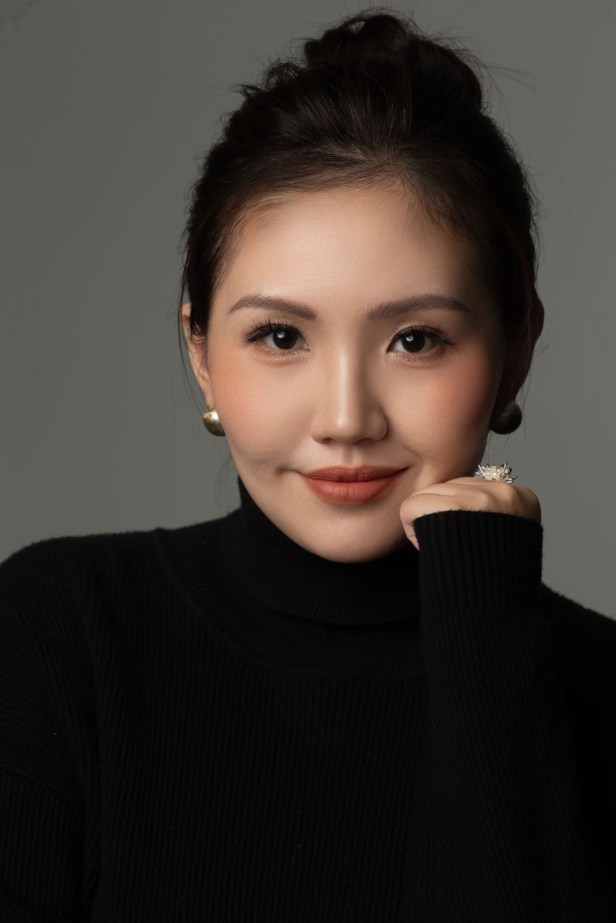
I believe AI is here to stay and it’s a tool that can make us more efficient. But AI cannot replicate human qualities like empathy and communication, both of which are vital in HR.
Starting a business during COVID-19 was challenging. What were your toughest moments and how did you overcome them?
When I started Vault Personnel, I had only corporate experience. I was known internally but not externally, so building credibility from scratch was tough. Networking opportunities were limited, and everything went virtual. Businesses were cautious, which made it even harder to prove value.
On top of that, I was learning to balance motherhood with entrepreneurship. My children were doing home-based learning, and the lines between work and family blurred quickly. But every challenge came with a lesson. I picked up new skills, adjusted my routines, and learned to go with the flow. That adaptability helped me grow as both a founder and a parent.
Can you share a meaningful client transformation story where professionalising HR made a tangible difference?
One case that stands out is an engineering firm with 80 employees. Everything was done manually, such as payroll in Excel, claims by hand, no punch-in system, and leave tracked via paper forms. This led to compliance risks, human errors, and data inconsistencies.
We spent two months helping them onboard a full HRMS system, redesign their processes, and build a proper employee handbook.
The results were transformational. Payroll was prompt, duplicated claims disappeared, and statutory submissions were timely. Management could now track overtime, productivity, and attendance in real time.
AI is becoming dominant. How can we retain our human value and remain competent in a world increasingly run by AI?
I believe AI is here to stay and it’s a tool that can make us more efficient. But AI cannot replicate human qualities like empathy and communication, both of which are vital in HR.
Let me share a real example. A staff member lost her mother and asked for a month off after compassionate leave. Technically, our handbook didn’t allow for that. But given her five years of loyal service, I believed she deserved the time to grieve properly.
When she returned, she brought us gifts and expressed her gratitude. These moments affirm that empathy is essential.
AI can’t assess emotional resilience or read the human context behind a situation. That’s why leadership, empathy, and communication will always be needed, especially in people management.
What’s your vision for Singapore in the next five years?
With SMEs making up the majority of Singapore’s economy, I hope we build a more resilient ecosystem that supports each other. I’m already involved in associations like SBF (Singapore Business Federation) and see the value in peer support and mentoring. More seasoned entrepreneurs are guiding the younger generation, which is fantastic.
I would also like Singapore to retain its status as a global hub, not just for business, but for talent and innovation. With a strong ecosystem and mentoring culture, we can continue to grow a vibrant, competitive SME landscape.
If you could have a superpower for one day, what would it be and why?
If I could, I would pause time. As a business owner, entrepreneur, and mother of three, days pass in a blur. Being able to pause would allow me to be fully present, with my family, my ageing parents, and myself.
Recently, my kids called me to look at two toucans perched on our roof. It was rare and beautiful. Moments like that stay with me. It would also give me space to reflect and appreciate the little moments we often overlook.
Connect with Stef: VaultPersonnel and LinkedIn.