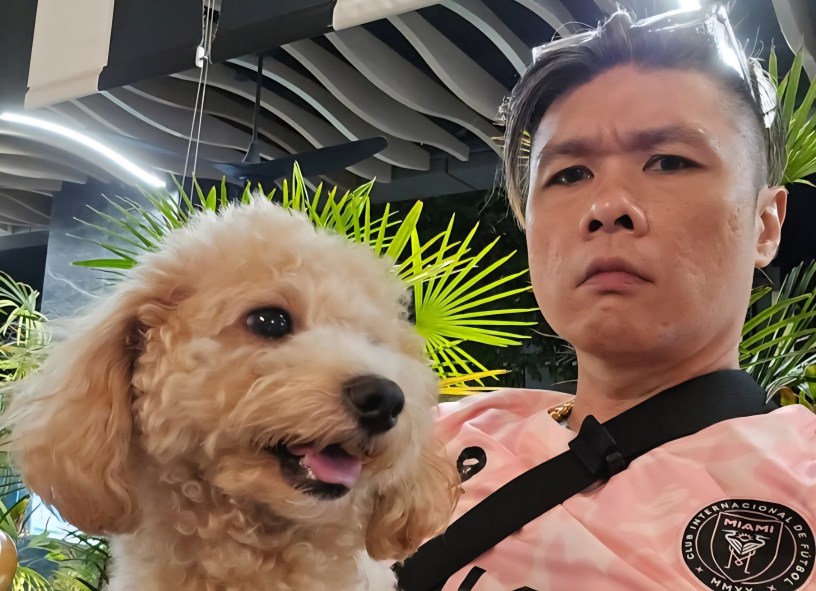
Meet Shaun, whose journey is a remarkable tale of redemption, resilience, and realignment. Once entangled in gang violence and addiction, he transformed his life behind bars by scoring straight As in his O-levels during incarceration and emerged as a motivational content creator and anti-drug ambassador.
Today, he uses his platform not only to share his story but to inspire others struggling with their own battles. Through fatherhood, faith, and a newfound mission, Shaun proves that even the darkest chapters can give rise to meaningful purpose.
Can you share what led you down the path that eventually landed you in prison, and what was going through your mind during that period of your life?
There were different phases leading to my imprisonment. Initially, it was a need for belonging. I joined a gang. That led to wayward behaviour: selling pirated VCDs, getting into fights, and eventually being caught for rioting at 17. I served two years in prison and I was back to drugs two weeks after release.
Later, I got married and I had a son. My child wasn’t even a year old when I was arrested for drugs. I thought I would change this time, but I was wrong. Even at the peak of my real estate career, I couldn’t resist drugs. Eventually, my career collapsed too.
The turning point came in my prison cell. I reflected on how my father passed away at the young age of 49. With my family’s poor medical history, I feared I might not have much time left. If I died early, I wouldn’t leave any good memories for my kids. That thought made me want to stop. I didn’t know if I could, but I tried and thankfully, I did change.
One key moment was when my kids visited me on my first day out. My daughter, who used to be very close to me, refused to hug me. That broke my heart. But I knew I had to stay on the right track for them.
You earned straight As in your O-levels while serving your sentence, which was an incredible achievement. What motivated you to focus on education in such a challenging environment?
The prison environment was actually great for studying as there were no distractions. A few things motivated me. One, I was in RTC (Reformative Training Centre), which doesn’t have a fixed release date. Your behaviour and performance determine early release, so I thought good results might help but it didn’t.
My father had cancer when I went in. He passed away just before the O-level exams. I had already studied so much, and I thought I might as well give it my best—maybe one last thing to make him proud. Sadly, he never got to see the results. That loss became the push I needed to give everything I had.
Today you use your platform as a content creator and anti-drug ambassador. What inspired you to start sharing your story publicly, and what message do you hope to send to those still struggling?
Honestly, it started accidentally. I wanted to get more business for my delivery services and thought I could share my story to gain some attention. I didn’t expect my first post to go viral. But since the views were encouraging, I continued posting.
I only started taking it seriously in the past four to five months. I feel like maybe God placed me in this position to share my story and prevent others from going down the same path.
My message is simple: what seems cool in your teens might not be cool in your forties. Don’t waste 20+ years of your life like I did. Many friends who were once “titled” gangsters eventually changed. Why? Because deep down, they knew this lifestyle doesn’t last.
If we can influence even one person to change, that’s already meaningful. Change must come from within. You shouldn’t change for others as it won’t last. You have to want it yourself. Find your “why” and if it’s strong enough, it can start a real change.
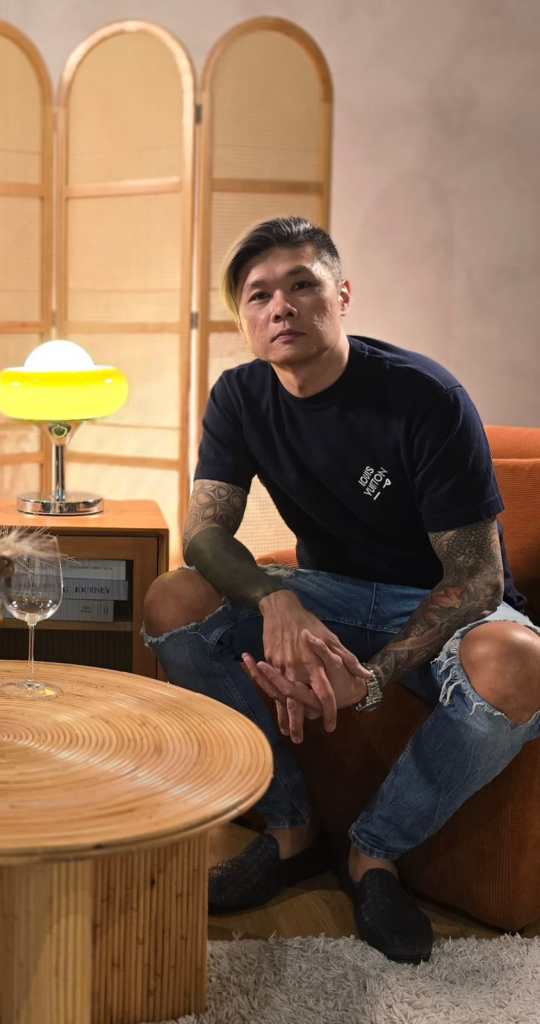
One key moment was when my kids visited me on my first day out. My daughter, who used to be very close to me, refused to hug me. That broke my heart.
What were some of the biggest emotional or social challenges you faced after your release, and how did you rebuild trust with yourself and others?
I did not face much emotional or social stigma because I have always worked in self‑employed jobs where no one cared about tattoos or criminal records. However, some friends distanced themselves, afraid that I might borrow money again. I do not blame them; I understand their fear.
Rebuilding trust with my kids was the hardest part. My daughter used to fear that I might relapse and put them through the same pain again. Over time, I proved that I was clean and that I was truly back for good.
I began saving diligently to give them financial stability. I pay for their tuition, birthdays, and holidays—small gestures to show my commitment and love.
Whenever I go out for work, I update them and let them know what time I will be home. We have weekly family dinners and do yearly charity drives together, supporting old folks’ homes and children’s homes. I keep these activities as a family affair because they remind us of what truly matters.
Doing meaningful things does not have to cost much. Even a simple bicycle ride together from Marina Bay Sands to East Coast Park can be deeply meaningful. It is the intention behind it that counts.
If you could speak directly to your younger self, what would you say?
I would say: you don’t need to impress the world. When I was younger, I cared too much about how others saw me. That led me to join a gang, chase status, wear branded stuff, and drive fancy cars.
But the truth is, no one really cares. Today someone notices you, tomorrow they’ve forgotten. The only people worth impressing are your loved ones. Be there for them. Be responsible. That’s all that matters.
How different or similar are you in real life compared to your online persona?
I’m actually the total opposite of how I come across online. While I may seem aggressive or confrontational on screen, I’m not like that in real life. Even when I’m upset, I rarely express it. I don’t like awkwardness. Instead, I tend to swallow my feelings and move on.
At home, my children call the shots. So yes, values-wise I’m aligned. But personality-wise, I’m different.
What’s your vision for Singapore in the next five years?
My vision is rooted in drug prevention. I believe we need to start educating children at a much earlier age, perhaps through subjects like Social Studies about the harsh realities and long-term consequences of drug use.
One of the most effective ways is to bring real-life stories into schools. Let students hear directly from people like us who have walked that painful path and come back. When we start the conversation young, we have a better chance of steering more lives away from destruction and towards a brighter future.
If you could have a superpower for one day, what would it be and why?
I would teleport into the future to find out when I will die. That way, I would know exactly how much time I have left with my kids and make every moment count.
Nobody is perfect. I try to do meaningful things every weekend, but I get tired too. If I knew my timeline, I would spend every possible moment creating memories.
As a child of abandonment, I did not grow up with much. So if I can save enough for my kids, even just a down payment for a BTO flat for each of them, I would feel at peace knowing they will have shelter even after I am gone.
Connect with Shaun: Facebook and Instagram.
