
Meet Zhouyang, the visionary founder of City Bright, who is pioneering a new era of sustainable illumination through inorganic self-luminous materials. His mission goes beyond creating visually striking designs — it’s about rethinking how cities light up their landscapes without relying on traditional power sources.
With a passion for innovation and environmental responsibility, Zhouyang is transforming how we perceive urban lighting. From Malaysia’s first luminous landscape at Forest City to future projects across Asia, his work demonstrates how creativity and science can come together to build safer, greener, and smarter cities — one glowing step at a time.
What inspired you to start City Bright and focus on developing inorganic self-luminous materials for sustainable lighting?
My inspiration stems from a firm belief that sustainability is not just a buzzword, but a necessity for our future. I saw a clear opportunity to develop solutions that enhance safety while significantly reducing energy consumption.
City Bright was born out of a desire to create environmentally responsible innovations—technologies that serve both people and the planet. Lighting plays a crucial role in our urban landscape, but it doesn’t always need to come at the cost of high energy usage or carbon emissions. That’s where self-luminous materials come in—they offer a smarter, cleaner alternative.
Can you explain, in simple terms, how inorganic self-luminous materials work and what makes them unique compared to traditional lighting systems like LEDs?
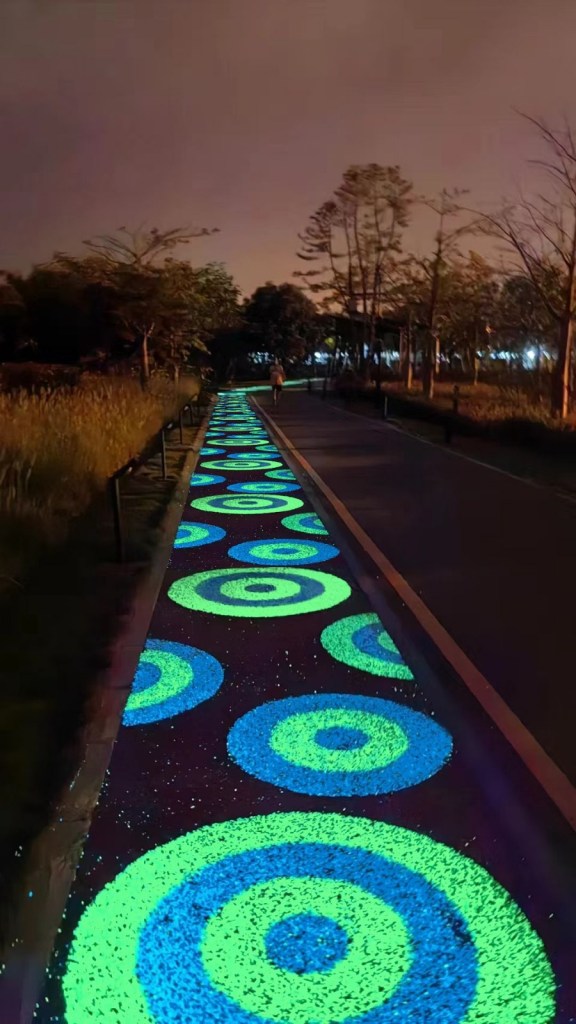
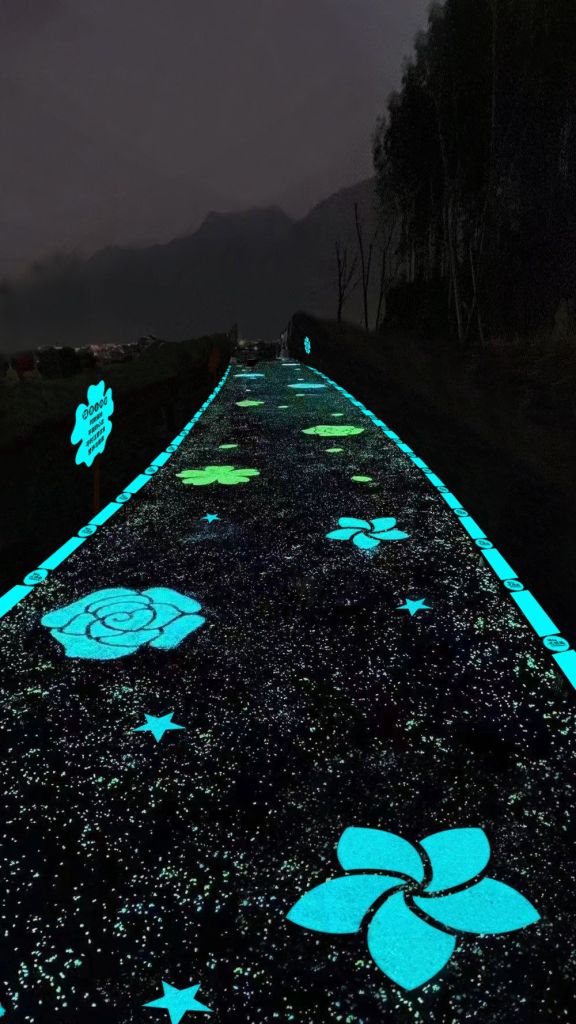
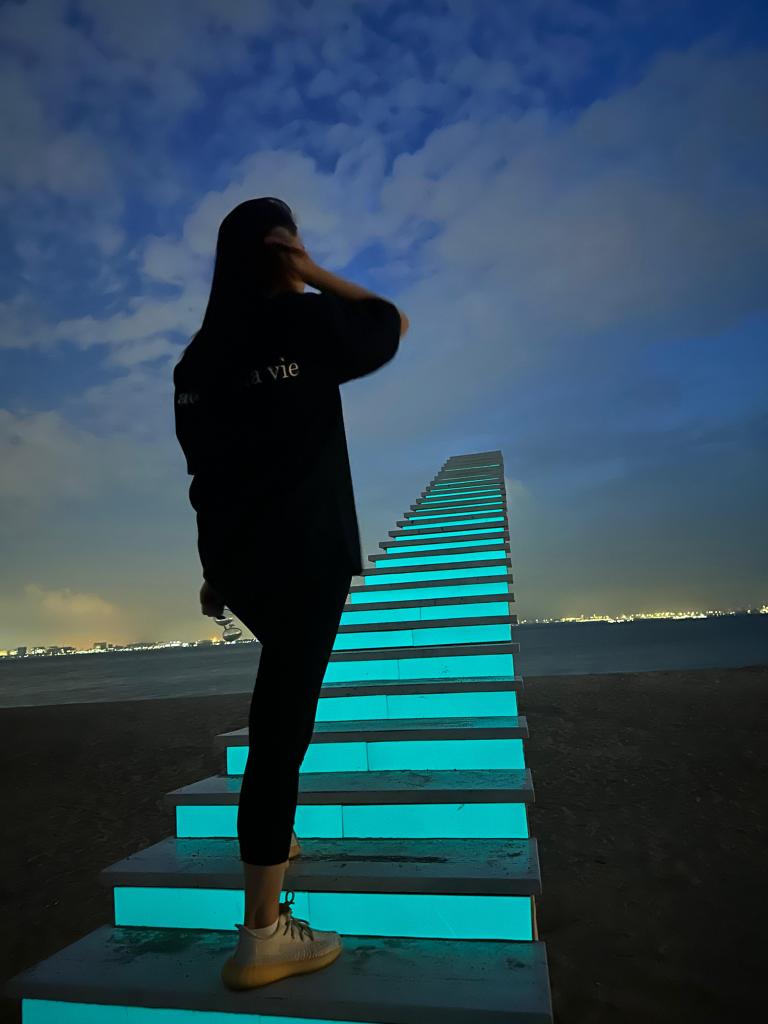
In simple terms, these materials act like sponges for light. They absorb natural sunlight or artificial light—roughly 10 to 20 minutes of exposure is enough—and then glow in the dark for up to 10 hours. The best part is, they don’t require electricity, wiring, or batteries. Unlike LED lights, which need a power source and maintenance, our materials function passively.
They’re weatherproof, maintenance-free, and perfect for outdoor settings. It’s a silent, clean technology that works in the background—illuminating without adding to the energy bill or carbon footprint.

Innovation doesn’t happen in isolation—it happens when you listen to the needs of users and design solutions that serve both people and the planet. Also, don’t be discouraged by slow progress.
The Forest City project in Johor Bahru is Malaysia’s first luminous landscape. What were the biggest challenges in bringing this innovation to life?
The biggest challenge wasn’t technical—it was perception. People tend to compare new technologies with what they already know. Many initially viewed our luminous materials as just another flooring product. We had to change that mindset and educate stakeholders that what we offer isn’t a substitute for flooring—it’s a completely different category that enhances safety and visibility.
Convincing architects, developers, and city planners took time. But once they saw the long-term cost savings and visual impact, they understood the real value.
The cost and carbon savings from your luminous materials are remarkable. How do you see this technology transforming urban planning and green design in the future?
This technology can be a game-changer, especially in areas where installing traditional lighting infrastructure is expensive or impractical—such as parks, pathways, or rural roads. It reduces dependency on electricity while improving safety for pedestrians and cyclists.
As cities aim to become greener, planners are beginning to see the potential of low-maintenance, energy-free solutions like ours. We believe this will open new doors for sustainable design, allowing urban developers to build safer, more efficient environments while dramatically cutting carbon emissions.
How do you balance innovation with real-world scalability—ensuring the technology remains both sustainable and commercially viable?
Balancing cutting-edge innovation with practical scalability is always a challenge, especially for emerging technologies. Certification costs are high, and awareness is still growing.
However, we take a long-term view. By successfully executing pilot projects and gathering strong data on performance and cost savings, we gradually build credibility.
As more people experience the technology first-hand and see the results, market adoption will accelerate. We also focus on strategic partnerships to scale effectively without compromising our environmental values.
What advice would you give to young innovators who want to merge sustainability, design, and technology into a successful business?
Stay rooted in purpose. Don’t just chase trends or money. Focus on solving real-world problems and creating meaningful impact.
Innovation doesn’t happen in isolation—it happens when you listen to the needs of users and design solutions that serve both people and the planet. Also, don’t be discouraged by slow progress.
Building a sustainable business takes time, but if your vision is clear and your mission is sincere, success will come—on your own terms.
What’s your vision for Singapore in the next five years?
Singapore is small, but our strength lies in our ability to adapt and innovate quickly. In the next five years, I hope to see us leading the region in sustainable technologies and smart city solutions.
However, we must remain vigilant. Complacency is a real threat. We need to continuously challenge our assumptions, stay open to new ideas, and be bold enough to lead change rather than follow. Only then can we stay competitive and relevant on the global stage.
If you could have a superpower for one day, what would it be and why?
I’d love to have the power to convert all human waste into clean energy. It would solve two problems at once—reducing pollution and generating sustainable energy.
It’s a concept rooted in circular economy thinking, where nothing is wasted, and everything is repurposed. That kind of superpower could revolutionise how we view waste and sustainability on a global scale.
Connect with Zhouyang: CityBright and LinkedIn.