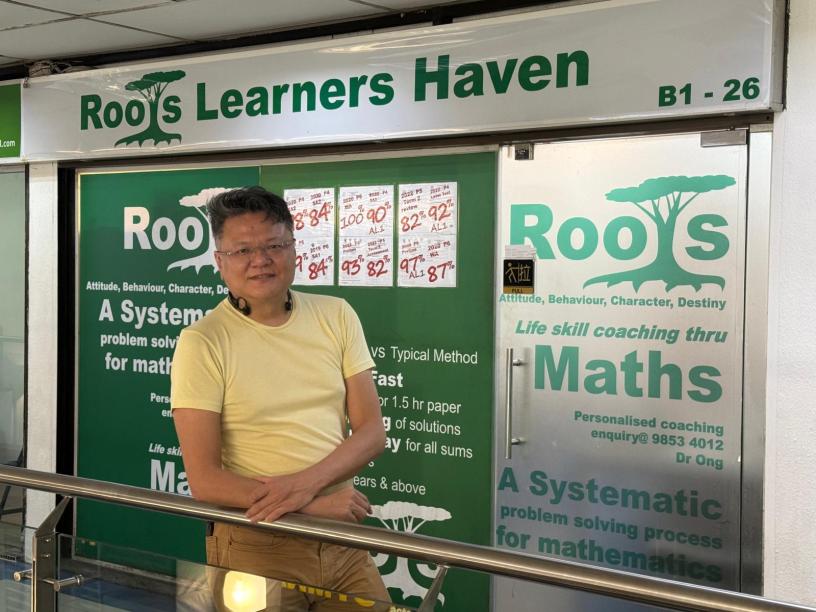
Meet Dr. Ong, founder of Roots Learners Haven. After years of navigating the precision and logic of the semiconductor world, Dr. Ong made a bold pivot—leaving behind a successful career to pursue his true passion: transforming education. Drawing from his scientific background and real-world insights, he founded an education centre that rejects rote learning and instead embraces critical thinking, curiosity, and innovation.
At the heart of his mission is a desire to reshape how students engage with knowledge. Frustrated by the limitations of traditional classroom methods, Dr. Ong designed a learning environment that empowers students to think independently and apply concepts creatively.
What inspired you to leave a successful corporate career and pursue education full-time?
To be honest, it wasn’t some grand vision—it was a practical move. I saw education as a more sustainable long-term path compared to the fast-paced semiconductor industry I came from. In many ways, it was part of a retirement plan.
As I gained experience, I realised that I had certain strengths that could be useful in the education space, and I gradually transitioned into it.
One thing led to another, and over time, it developed into something far more meaningful and interesting than I had initially expected.
What were some challenges you faced when establishing Roots Learners Haven?
Initially, I assumed my experience in corporate presentations and training would translate naturally into teaching. I quickly realised that teaching children is vastly different—it’s not just about delivering content, but about guiding students in how to learn and solve problems.
I had no formal background in education, so I essentially had to start from scratch. The first batch of students I attracted had learning challenges—ADHD, dyslexia, mild autism.
I hadn’t specifically targeted this group, but they came, and working with them completely changed how I viewed education. They helped shape our approach and inspired a transformation in our teaching philosophy.
What are the biggest issues students face in learning today, and how does Roots’ methodology address them?
Most students are taught to memorise and replicate solutions—a method I call solution-mapping. But the world has changed. We now live in a dynamic environment where rote memorisation no longer serves us well.
Students often face stress because they’re focused on recalling solutions without truly understanding the problems. At Roots, we do the opposite—we train students to focus on understanding the situation first.
Instead of diving into solving, we teach them to organise information clearly and accurately. This helps reduce confusion and improves comprehension, especially with complex problem sums.
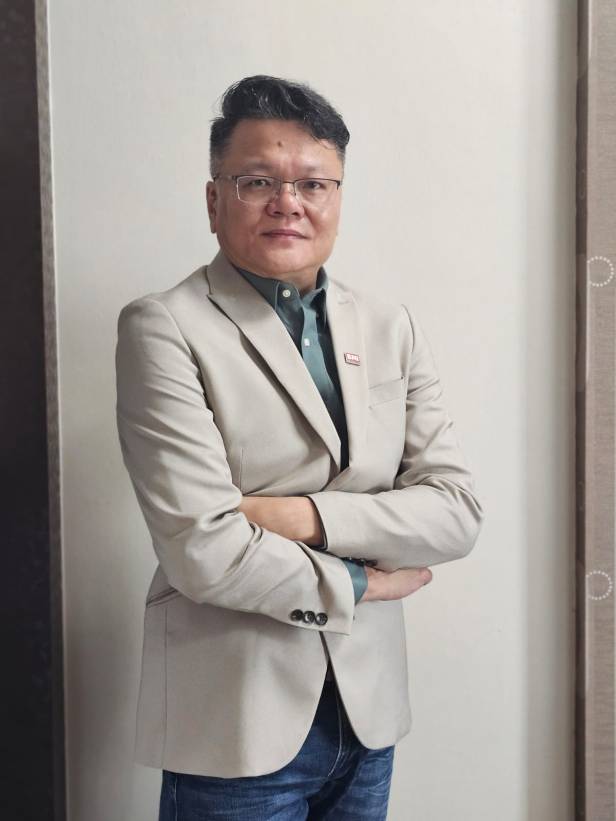
Most students are taught to memorise and replicate solutions—a method I call solution-mapping. But the world has changed. We now live in a dynamic environment where rote memorisation no longer serves us well.
How do you keep students motivated, especially those who’ve lost interest in subjects due to past struggles?
Motivation stems from interest, and interest comes from competence. Most students don’t lack interest—they lack confidence. When students feel incapable, they stop trying.
Many think they’re weak in a subject when the real issue is poor learning habits or basic working behaviours. For example, what educators often label as “careless mistakes” usually stem from poor handwriting or mental calculation errors.
Once we address these root causes and build competence, confidence naturally follows—and then interest returns. I’ve seen students go from scoring 30% to 95% just by improving basic habits like handwriting and proper step-by-step thinking.
How do you see education evolving in the next decade, especially with technology and AI?
AI can be a powerful tool if used properly. I encourage students to use AI not just for answers, but to support their understanding. The challenge is that some educators see it as “cheating.”
But whether you’re learning from a textbook, tutor, or AI, it’s the mindset that matters. AI should be a co-pilot in learning—not a shortcut. Unfortunately, I foresee a growing gap between students who are taught how to use it well and those who aren’t.
The curious and guided learners will thrive; others may fall behind if they use AI without purpose or understanding.
What excites you the most when you wake up every day?
What excites me is seeing students transform—not just academically, but personally. Some come in with low self-esteem, slouched posture, and zero confidence.
Within a few months, they’re walking in early, eager to learn. Education is still very exam-focused, and while exams aren’t everything, they are a big part of a student’s life. But beyond results, what we teach—how to acquire and apply knowledge—is a life skill.
If students learn to break down problems into manageable steps, they’ll be equipped for life—not just for school.
What’s your vision for Singapore in the next five years?
I’d like to see a stronger shift in how we define success in education. While there’s talk about reducing emphasis on exams, I don’t see much changing structurally. Leadership in the education system often rotates too quickly to implement long-term change.
What we need is not just good talkers, but strong executors—people who understand learning deeply and can shape policies that work long-term. I hope we can move away from just acquiring knowledge and focus on building the skills to apply it effectively.
If you could have a superpower for one day, what would it be and why?
I’d give all educators the ability to see what I see—the potential of our Roots methodology. It would make their jobs easier and make students’ lives more fulfilling.
Many of our students now complete exam papers in half the time and score above 90%, not because they memorise answers, but because they’ve mastered how to think. I don’t aim to train geniuses—I aim to help average students perform at their best. If educators could see this process clearly, more students would thrive.
