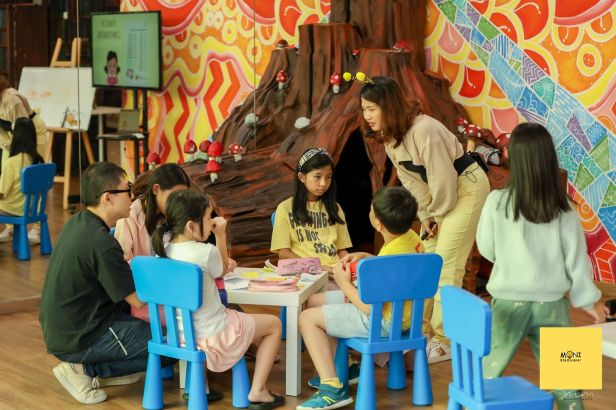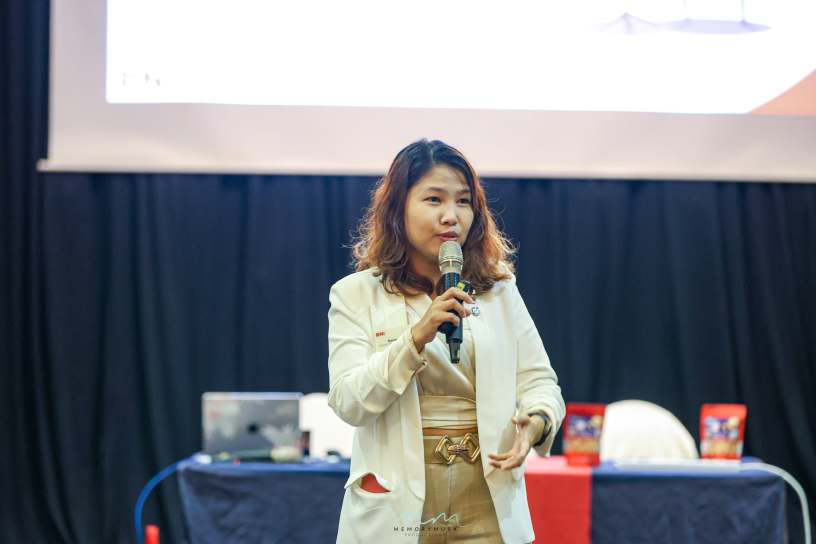
Meet Stacey, who has over 18 years of experience in the financial advisory industry. She has witnessed first-hand how deeply our relationships with money affect our lives—from personal wellbeing to family dynamics. Fueled by a passion for personal development and coaching, Stacey made it her mission to address the root of financial stress: mindset, habits, and education, starting from childhood.
Through her workshops, coaching programmes, and her book Learn About Financial Literacy for Children in 30 Minutes, Stacey is transforming the way families think about money. Whether she’s guiding a parent through limiting beliefs or teaching a child how to budget with confidence, Stacey empowers people to make clearer, values-based financial decisions—for a lifetime of emotional and financial resilience.
You have more than 18 years of experience in the financial advisory industry. What first inspired you to move from pure financial advisory into personal development and training?
I’ve always believed in adding value to the people I interact with, and finance is just one aspect of that. There are so many areas in life where you can make an impact.
Because I’ve been on my own personal development journey—going through NLP and coaching programmes—I found deep meaning in helping others not just with their finances, but in other aspects of life as well. Supporting clients through coaching has been a powerful way to add value beyond numbers.
You’ve spoken about struggles people face in their personal relationships—whether with themselves, others, or money. Which of these do you think people struggle with the most, and why?
In Singapore, because of the high cost of living, the relationship with money tends to be the biggest struggle. A lot of tension in relationships—especially within families—stems from financial pressure.
But at its core, I believe the most crucial relationship is the one people have with themselves. If your relationship with yourself is unclear or unhealthy, it will affect everything else—money, family, even your children. It all starts from within.
What are some common misconceptions people have about financial literacy, and how do you address this in your programmes?
A lot of people think financial literacy is just about learning how to manage money through budgeting or saving. And while that’s a part of it, the deeper question I ask is: “What is enough for you?” If we’re always chasing more, we become trapped in a cycle. But when we start to define what “enough” looks like, we can design a life that’s aligned with our values—not just financially, but across relationships and lifestyle.
In my financial literacy courses—both for children and adults—we start by defining this idea of “enough.” I always emphasise that it’s not about earning more, but about managing what you have and appreciating it. We teach kids about budgeting, but also about gratitude and understanding the effort behind every dollar earned.
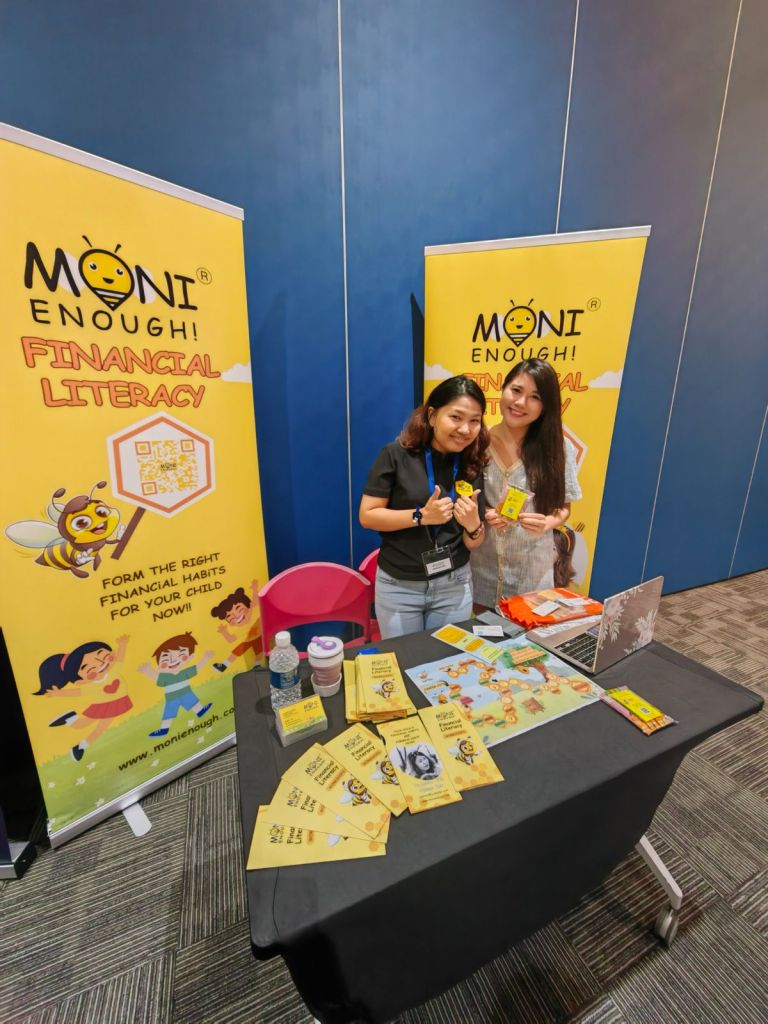
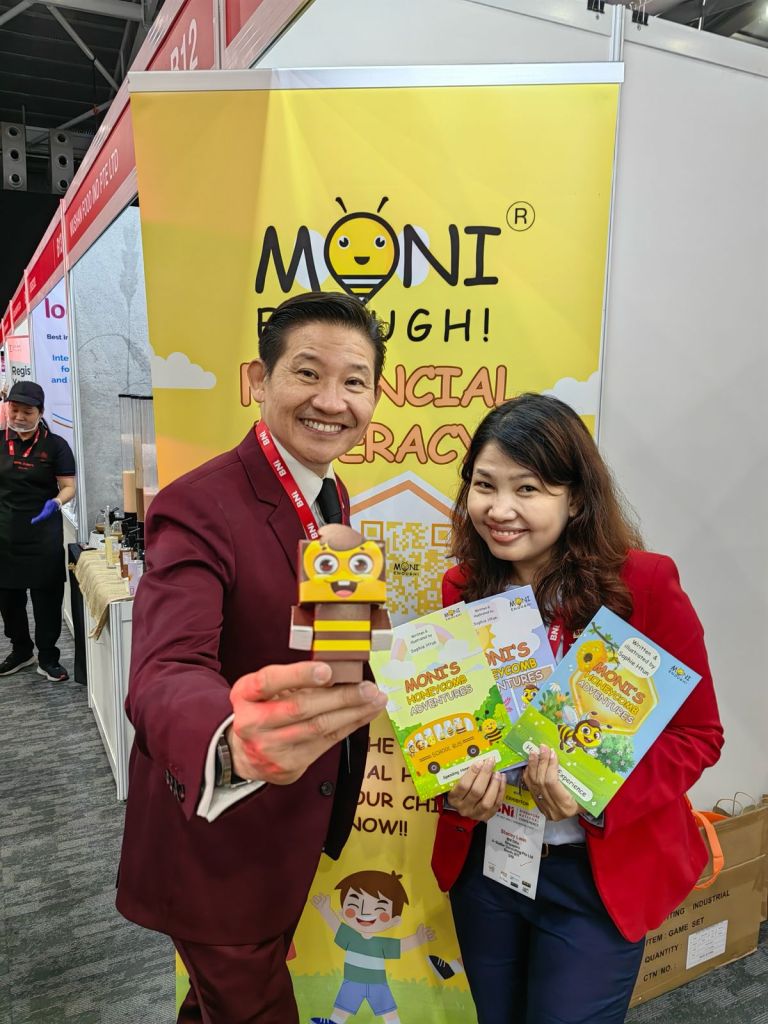
My advice is to identify what’s really keeping you stuck. Often, it’s not your circumstances, but your thoughts about those circumstances. Thoughts create reality.
Could you share a particularly memorable transformation story from a client who attended one of your workshops?
One story that really stands out involves a parent who attended one of our workshops. During a session where we explored limiting beliefs around money, she broke down in tears. It triggered deep emotions—she had spent years giving to others without taking care of her own financial needs, which led to inner conflict.
That workshop became a turning point. She gained clarity, began redefining how she wanted to live, and wrote down what she valued and what she wanted to pass on to her children. Her mindset shifted, and that change in her will inevitably influence how her kids think about money too. That kind of transformation is why I do what I do.
What advice would you give to someone who feels stuck in life—whether financially, emotionally, or in relationships?
My advice is to identify what’s really keeping you stuck. Often, it’s not your circumstances, but your thoughts about those circumstances. Thoughts create reality. Things may not be as bad as they seem, but we become trapped in our own perspective.
Talk to someone. Everyone sees things differently, and a fresh perspective can help you break free. There’s always a starting point. As long as you’re willing to take one step forward, you can shift direction and change your life.
You’ve written a book titled Learn About Financial Literacy for Children in 30 Minutes. Why do you feel it’s so important to start financial education at a young age?
Because habits are formed early. The belief systems and behaviours we carry into adulthood are often set by the time we’re eight or nine. Developing good money habits young makes a big difference later in life.
If we introduce children to financial concepts early, it becomes second nature to them. It’s much harder to unlearn bad habits than to build healthy ones from the start. That’s why early financial literacy lays such an important foundation.
Can you share more about the workshops you conduct for children around financial literacy?
I run three types of workshops. The first is a holiday programme that covers a few essential topics—not just needs and wants, but also values, opportunity cost, and gratitude.
Then I offer regular weekly classes, which allow me to track the children’s progress more consistently. These sessions include concepts like the Rule of 10, basic investing, how to start a small business, and even reading profit-and-loss statements.
Lastly, I partner with education and enrichment centres to help K2 students transition into Primary 1 with a strong understanding of money. We cover decision-making, budgeting, and recognising hidden costs. It’s all designed to build financial awareness in a fun and age-appropriate way.
What’s your vision for Singapore in the next five years?
Singapore is moving at a fast pace, especially with technology advancing rapidly. In the next five years, I’d love to see financial literacy introduced as a subject in primary schools.
It’s a life skill—just like reading or writing. The earlier we start, the more financially responsible our future society will be. When children grow up with a strong foundation in money management, we’re also creating future adults who are thoughtful, prudent, and better prepared for real-world challenges.
If you could have a superpower for one day, what would it be and why?
I’ve always wished for the power of teleportation. I’d love to be able to be in multiple places within seconds! So much time is lost in transit, and if I could just skip that part, I could meet more people, conduct more workshops, and connect with communities all around the world—instantly. That would be amazing.
Connect with Stacey: Moni Enough, Instagram and Facebook.