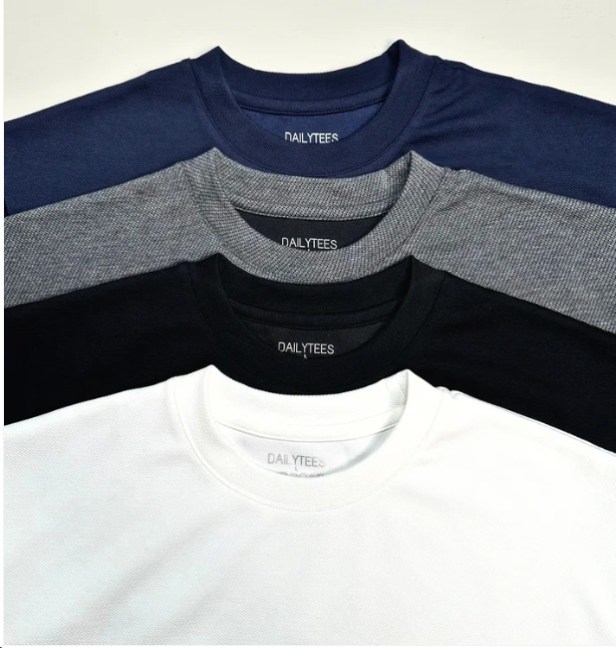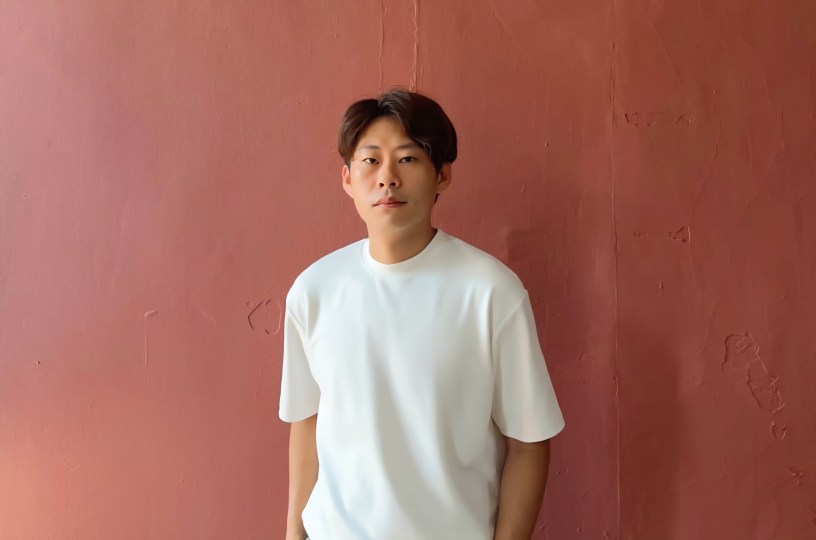
Meet Brandon, a serial entrepreneur behind seven ventures across property, retail, fashion, events, and interior design. What began as a woodworking side hustle at 19 soon became a five-figure business. Since then, he’s tackled market gaps with bold ideas—like launching Singapore’s first barn door brand and engineering a wrinkle- and shrink-proof T-shirt to rival global giants.
Many of his businesses grew from personal challenges. When he couldn’t find a space for woodworking, he created Tinker Tank coworking space. Struggling to find the perfect tee led to DailyTees. For Brandon, entrepreneurship is about building solutions—and his journey is far from over.
You’ve built seven businesses across industries as diverse as property, retail, events, and fashion. What drives you to keep starting something new instead of sticking to one domain?
Over the years, I realised that what I truly want is to be an entrepreneur. My first venture was a woodworking business, but even then, I didn’t see myself as a craftsman—I saw myself as a business builder.
While I still ensure the quality of the product is there and that clients get value, my focus has always been on growing businesses, not just perfecting a piece of furniture.
I’m more interested in experimenting, trying different ideas, and learning from failures. The world is huge—why not try a bit of everything rather than fixating on mastering just one thing?
Passion Wood Works started as a solo woodworking venture and became Singapore’s leading barn door supplier. What strategies helped you scale from solo to a profitable team business?
When I started Passion Wood Works, it was quite accidental. I never planned to be an entrepreneur—I actually wanted to be an interior designer. While serving in the army, I came across a video about making a pet bed from a pallet.
It looked doable, so I tried building one. I posted it on Carousell and, to my surprise, received many orders. That was the launchpad. From there, I started building tables, chairs, and other items.
One client asked for a barn door—and I had no idea how to make one. There weren’t many online tutorials back then, so I just figured it out through trial and error. At the time, no one else was selling barn doors in Singapore, so I marketed it on Instagram, and it took off.
Luck played a part, but I also focused on growing the business. Instead of stopping at barn doors, I expanded into other products. I also leaned into marketing and got influencers involved to help promote the product.
At Phantom Interior Design, you created a proprietary project management system. How does technology and process innovation give you a competitive edge?
When we launched Phantom, the core issue we aimed to solve was the lack of trust in the interior design industry. It’s one of the industries with the highest complaint rates.
So we built a highly transparent system that tracks every item in the quotation with progress statuses and photographic evidence tied to dates. This system ensures project managers stay on track, and if any issue arises, it’s easy to trace back and resolve.
Clients always know what’s going on, and nothing is hidden. Our project managers follow a checklist daily, so nothing gets missed. This level of accountability among clients, contractors, designers, and managers gives us a real competitive edge.
Tinkertank became one of Singapore’s most vibrant co-working ecosystems. How do you differentiate it from other co-working spaces?
Tinkertank was born out of personal frustration. When I started my woodworking business, I couldn’t find a small enough workshop. Most B1 industrial units are over 1,000 sqft, and there’s nothing in the 100–1,000 sqft range. I only needed 100–200 sqft.
So I created Tinkertank to cater to makers, creatives, and hobbyists who needed small, affordable spaces where noise, dust, or paint fumes wouldn’t be a problem. Most HDBs don’t allow that kind of work after 7pm, so this filled a real gap. We’ve grown steadily over the past eight years and now have several branches.

Failure taught me to slow down mentally. As new entrepreneurs, we tend to push hard, trying to force things to work. But the more you push, the messier it can get. Sometimes, taking things slow and steady is the better route.
You jumped into fashion with DailyTees despite no prior experience. What gave you the confidence to start something to rival global players?
Most of my businesses solve problems I face personally. With DailyTees, I was frustrated that most T-shirts shrink in the dryer. I had limited space, so I relied on the dryer. But nearly every shirt would shrink, wrinkle, or fade. I also didn’t like how some shirts showed sweat stains or looked too thin.
After buying and testing hundreds of shirts, I decided to create my own. I spoke with fabric suppliers, and though many said it was difficult, I worked with them to develop a custom fabric that didn’t shrink, show sweat stains, or lose shape.
I saw a gap in the market. Everyone was focused on design and prints—no one cared about functionality. But people wear plain tees every day. It’s a massive, evergreen market, and I felt confident filling a niche no one else was addressing.
There are plenty of plain t-shirts on the market. But none fit what I was looking for – a plain T-shirt that doesn’t shrink, doesn’t crumple, has no sweat stains and looks premium. So I set these 4 targets for my new brand.
I set about creating a fuss-free t-shirt that can be worn daily, no matter the occasion. It took me 9 months of R&D and $30,000 but I managed to make it happen. Over the past 4 months, we have sold over 1,600 pieces with mostly organic marketing on TikTok only, which was quite surprising as our pricing is pretty high for TikTok standards. It just proves that the market is there for such a product.
Currently I’m working on a few more products for the brand. Over the next year, you should see some major moves for the brand.
What has failure taught you that success never could?
Failure taught me to slow down mentally. As new entrepreneurs, we tend to push hard, trying to force things to work. But the more you push, the messier it can get.
Sometimes, taking things slow and steady is the better route. Most new entrepreneurs don’t have funding or experience, so rushing can be more damaging than helpful.
Slowing down protects your mental health and gives you clarity. Entrepreneurship is a long game—no need to sprint all the time.
What’s your vision for Singapore in the next five years?
I hope more people embrace entrepreneurship and truly understand it. When I started, I had no intention of becoming an entrepreneur, and I think many others are the same.
There’s a lot of support for startups, but most of it targets high-tech or AI companies. For traditional businesses—retail, supply, F&B—the resources are lacking. There’s very little content about how to do business in Singapore.
Most of it comes from the US, China, or Europe, but our ecosystem is unique. We need more guidance, education, and support tailored to Singapore’s environment.
Hence, I started a TikTok account to share local entrepreneurship stories, how business is done in Singapore, the major lessons and mistakes I made over the years and how I grew my business to where it is today.
If you could have a superpower for one day, what would it be and why?
Probably the power to have unlimited money! Financial freedom is something many entrepreneurs work toward. It opens up choices and gives you the space to do what you love. But even if I had that, I don’t think I’d stop. I’ve gotten used to the grind.
I’m still at the early stages of my journey. After more than a decade, I feel like I’m only at step one or two. It takes years just to understand the fundamentals of entrepreneurship. Only after that can you start building something scalable and long-lasting.
Connect with Brandon: LinkedIn and TikTok.